
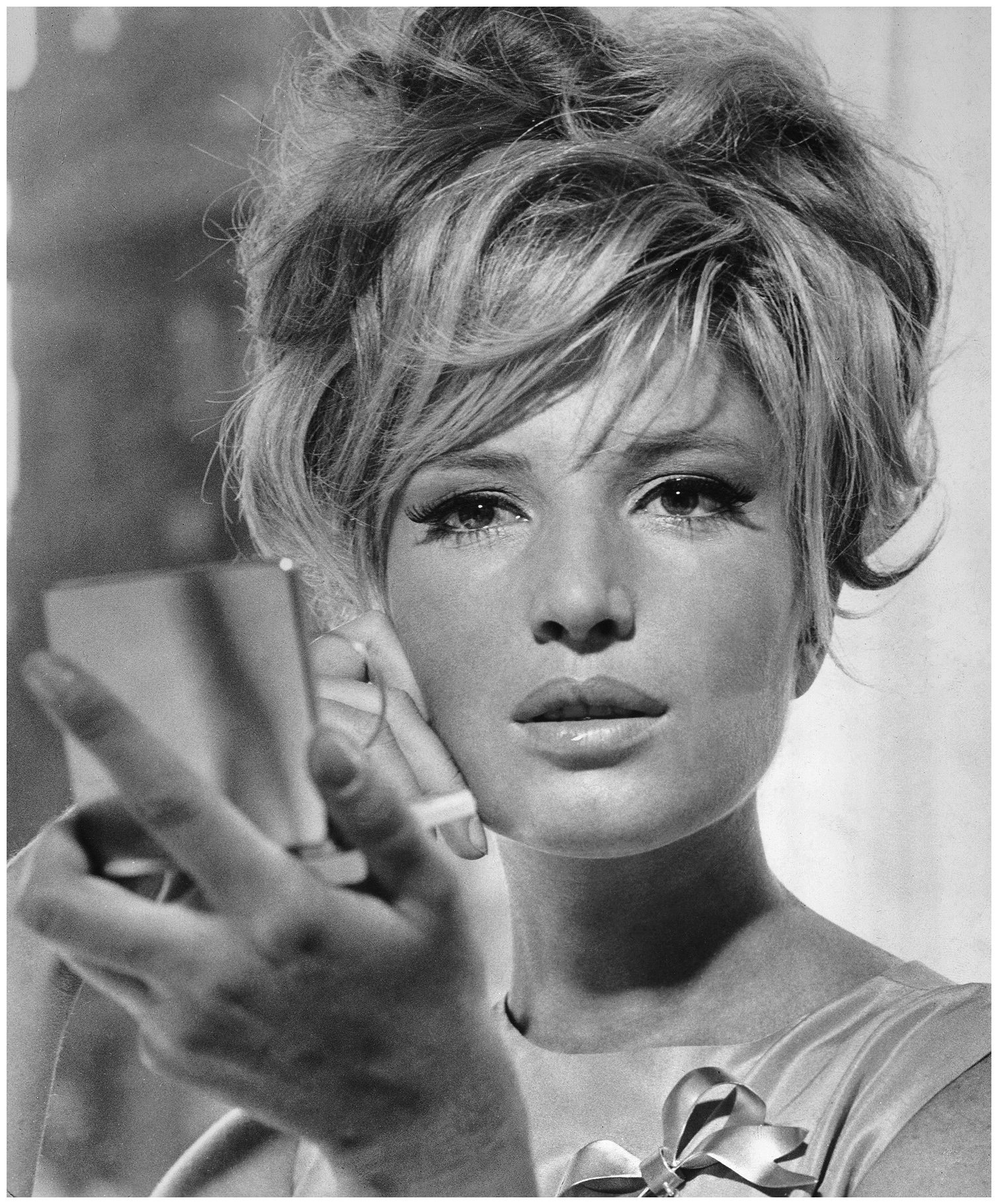
There is a woman I think about sometimes — not a client, just an archetype I have met in a dozen different forms over the years. She is objectively beautiful. Not in the subjective, contested way we hedge around to be polite, but in the way that makes rooms rearrange themselves when she walks in. She has never once struggled to get a first date. She has struggled, repeatedly and painfully, to get a second year.
This is the part of pretty privilege nobody talks about honestly.
We have spent a lot of cultural energy discussing whether attractive people have it easier — and in the opening chapters of dating, they often do. Research on what psychologists call the "halo effect" (the cognitive bias where physical attractiveness gets unconsciously bundled with assumptions of intelligence, warmth and social competence) has been robust since the 1970s. Attractive people get more swipes, more approaches, more benefit of the doubt in that first electric moment of contact. The door opens faster. This is real, and it would be dishonest to pretend otherwise.
But here is what the halo effect also does: it sets a stage, and then it hands you the script and walks offstage. Whatever happens next is entirely yours.
The problem with being chosen for your face is that your face had nothing to do with the choice. You were a projection screen before you were a person. The person across from you fell in love with what their own nervous system invented in the three seconds before you spoke — the warmth they assumed, the depth they imagined, the match they decided you were. And then you opened your mouth, or failed to text back in the way they'd fantasised, or simply turned out to have ordinary fears and boring Tuesdays like everyone else, and the whole magnificent fiction collapsed.
This is what therapists call the difference between attraction and attachment — and it is one of the most consequential distinctions in relationship psychology. Attraction (that initial pull, the chemistry, the can't-eat, can't-sleep feeling) is generated by novelty, visual cues, voice, scent, and a neurochemical cocktail of dopamine and norepinephrine that is frankly not interested in your long-term wellbeing. Attachment — the kind that actually sustains a relationship — is built from something entirely different: safety, consistency, reciprocity, the slow accumulation of being known.
Attraction can begin in a glance. Attachment takes months, sometimes years, of repeated repair. And here is the uncomfortable truth about pretty privilege in the context of long-term love: the same magnetism that draws people close can actually interfere with the harder, slower work of becoming known. When someone has always been responded to for how they look, they can — not always, not inevitably, but often enough that I see it in my clinic — develop a kind of relational shortcut. They learn to let their appearance carry weight that vulnerability should be carrying. They learn to perform rather than reveal.
Meanwhile, the person who was never handed the shortcut learned something else entirely. They learned to be interesting. They learned to be present. They learned that if someone stayed, it was because of what happened between words, not because of what was visible before them.
I have sat across from people in mediation — couples whose relationships had dissolved so completely that they needed a professional to help them be civil — and I can tell you that attractiveness has never once been cited as the reason a marriage held. Nobody has ever said, in the wreckage of a relationship: but God, they were beautiful. Or rather — they have said it. In the past tense, as a kind of eulogy for the illusion they married rather than the person.
What actually holds relationships is far less glamorous and far more demanding. It is the capacity to tolerate discomfort without punishing the other person for it. It is the willingness to say the embarrassing true thing rather than the smooth false one. It is what psychologist John Gottman spent decades measuring in couples' labs: the ratio of positive to negative interactions during conflict, the ability to make repair attempts and have them received, the presence of genuine curiosity about each other's inner world.
None of these things photograph well. None of them show up in a dating profile. All of them determine whether you are still together in ten years.
This does not mean looks are irrelevant — they are not, and anyone who tells you otherwise is either very enlightened or very dishonest. Physical attraction matters as a spark. It just
 Sophia Borg
  Gabriel Fenech
  Alexandre Noir
  Dua Mifsud