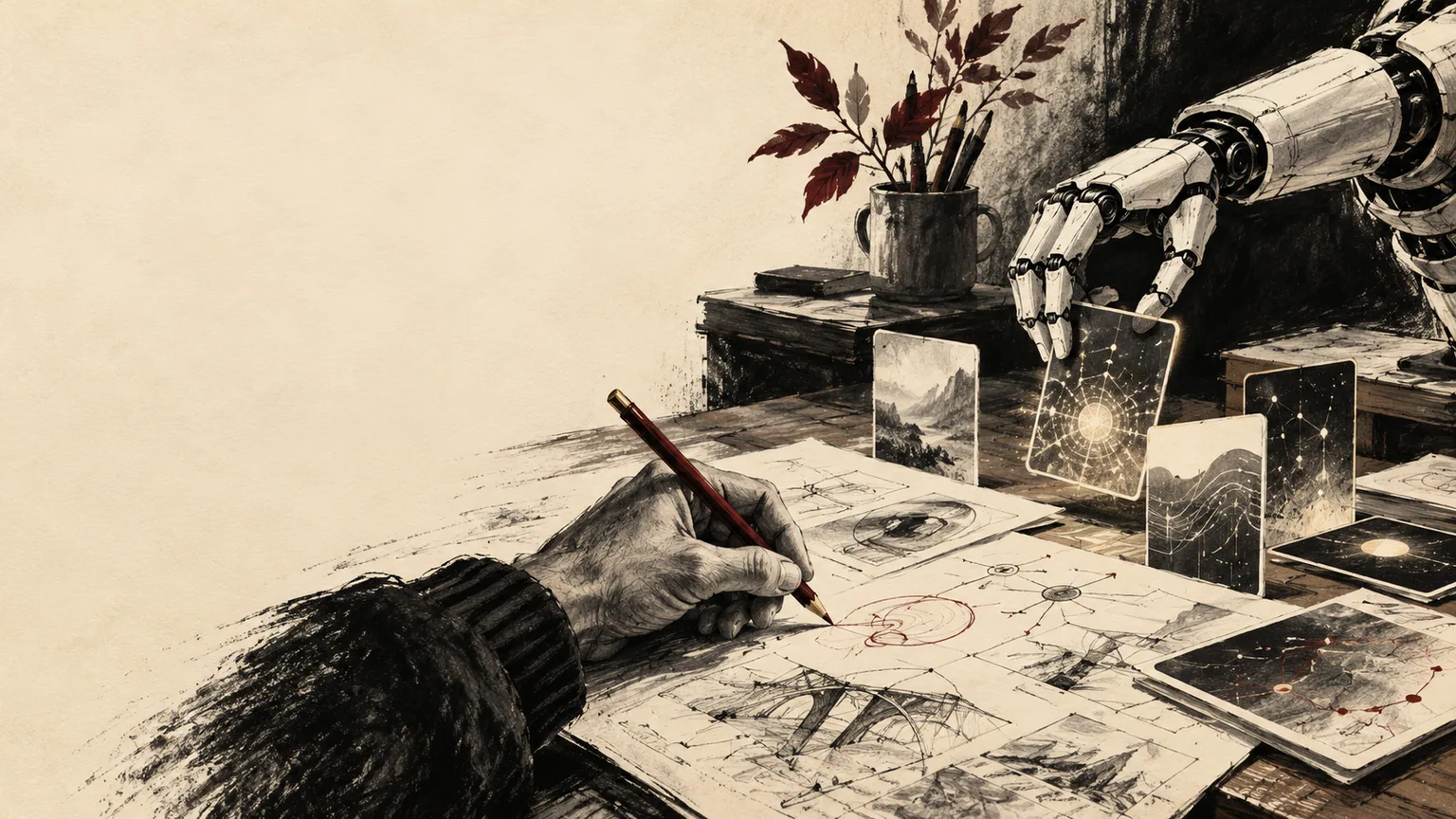
It would be easy for me to write a hymn to artificial intelligence. I use these tools to build products that a small team, perhaps even a single person, could hardly have attempted a few years ago. I know what it feels like when a difficult idea suddenly becomes possible.
But possibility is not the same thing as fairness. The question that keeps returning is not simply whether AI can do a task. It is what happens to the person who used to earn a living, build confidence or find meaning in doing it.
Efficiency for whom?
When a company says it can do more with fewer people, investors hear productivity. A worker may hear that the skills they spent years developing are suddenly a cost to be removed. Both reactions can be rational. Only one of them is usually invited into the room where the decision is made.
AI will not affect every job in the same way, and a prediction about the end of work is not a plan. What we can already do is ask better questions: Who owns the gains? Who is trained for the next role? Who gets time to adapt? What happens if the next role never arrives?
Build, but do not look away
I do not want to stop building. I want the ambition to be larger than replacing a line on a payroll. A truly successful technology should expand what people can make of their lives. If its benefits collect only at the top while insecurity spreads below, we should not be surprised when the public stops celebrating our breakthroughs.
Human beings are not an obsolete input. They are the reason the future matters.
This column represents the author's view. It is separate from News Beast's automated, source-backed news reports.