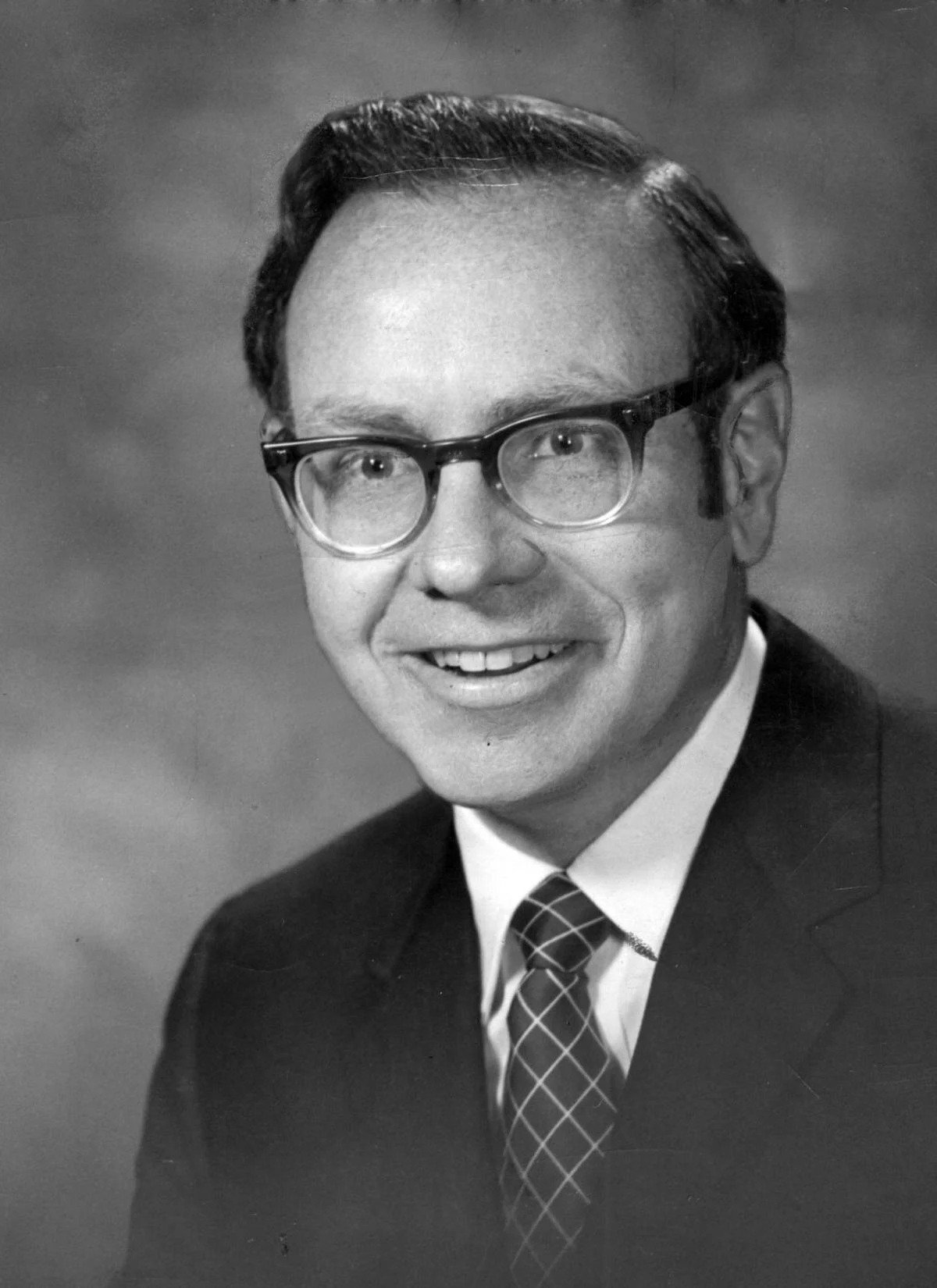
Fed Stays Put: Gundlach Calls Rate Cuts Impossible
His firm manages $97 billion in assets, making his voice one worth hearing when bond markets start pricing in dovish pivots.
Fed Stays Put: Gundlach Calls Rate Cuts Impossible
The Federal Reserve won't cut rates at its next meeting. Period.
DoubleLine Capital CEO Jeffrey Gundlach delivered that verdict to investors Friday, calling Fed rate cuts "just not possible" under current conditions. His firm manages $97 billion in assets, making his voice one worth hearing when bond markets start pricing in dovish pivots.
The timing matters. Markets have been yo-yoing on Fed expectations for months, with traders alternating between pricing in cuts and holds depending on the latest inflation print or employment number. Gundlach's certainty cuts through that noise.
His logic likely centers on persistent inflation pressures and a labor market that remains tighter than the Fed's comfort zone. Core PCE inflation sits at 2.8%, well above the Fed's 2% target. Unemployment hovers near historic lows at 3.7%. Neither metric screams "emergency rate cut needed."
Bond yields reacted predictably. The 10-year Treasury climbed 12 basis points Friday to 4.47%, while the 2-year hit 4.89%. Credit markets tightened across corporate bonds and emerging market debt. Equity markets shrugged off the news, with the S&P 500 closing flat.
The disconnect between Gundlach's certainty and market pricing suggests someone's wrong. Fed funds futures still show a 23% probability of a quarter-point cut by September. Either the market's reading Fed communications poorly, or Gundlach's missing something.
Historically, Gundlach's Fed calls carry weight. He correctly predicted the central bank would pause rate hikes in 2019 and accurately called the pandemic-era emergency cuts in March 2020. His track record on timing isn't perfect, but his directional calls usually land.
For Malta-based investors, higher-for-longer rates mean several things. European Central Bank policy typically follows Fed moves with a lag, suggesting euro rates stay elevated. That benefits savers holding euro deposits but pressures borrowers with variable-rate mortgages.
Malta's property market faces headwinds if ECB rates remain high. Mortgage costs directly impact property buying decisions, potentially cooling demand from both locals and international buyers.
The stronger dollar that accompanies higher US rates also affects Malta's tourism-dependent economy. European visitors find travel more expensive when their euros buy fewer dollars for connecting flights or US-branded hotel chains.
Gundlach's message to investors: stop expecting Fed rescues. The central bank's inflation fight takes priority over market comfort. Plan accordingly.