Marcus Azzopardi
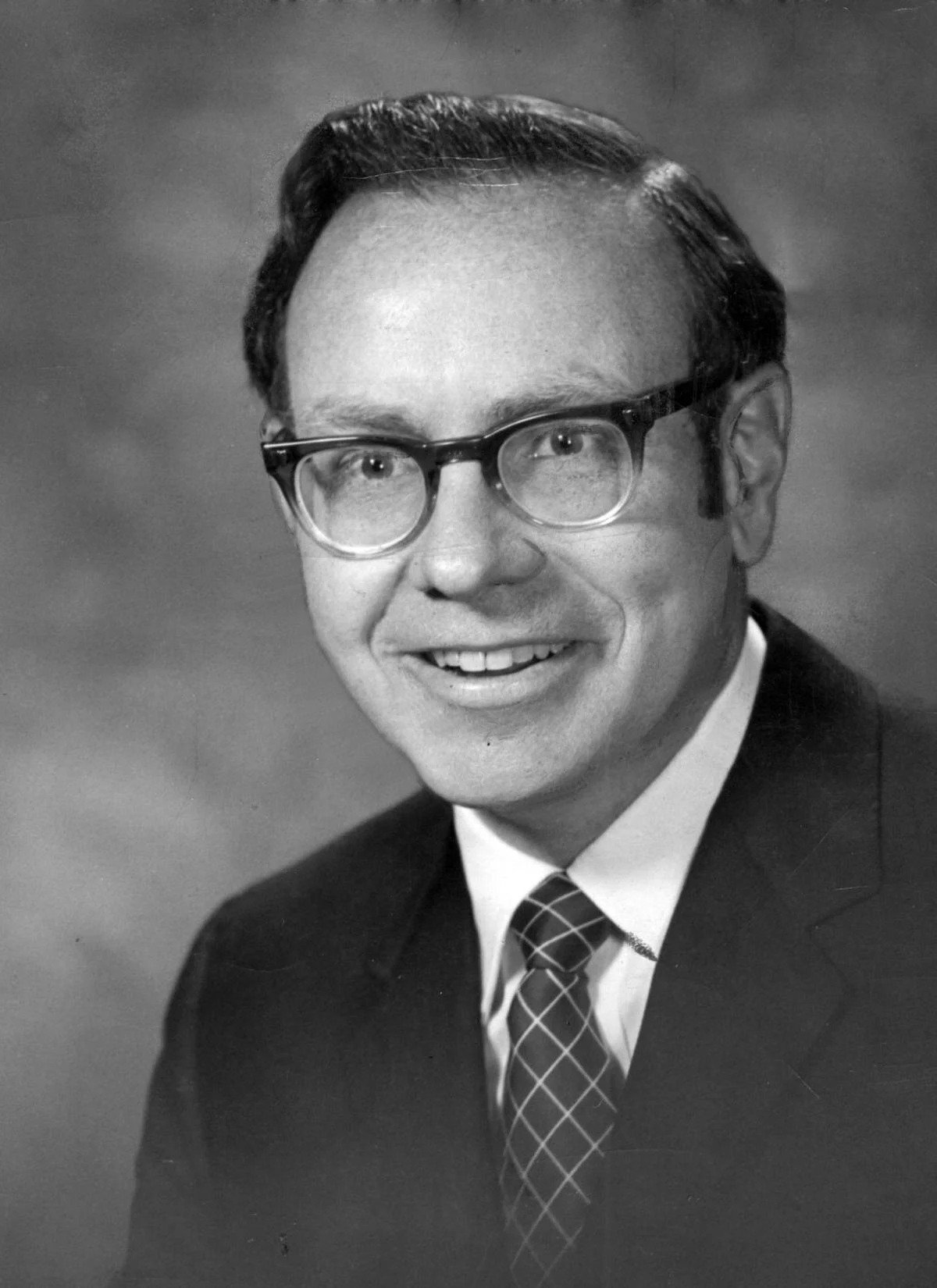
Marcus Azzopardi commanded men before he commanded capital. He spent his twenties and early thirties as a military officer — learning to read terrain, manage risk under pressure, and hold a position when everyone around him was breaking. He came to finance at thirty-eight. Late. But without the conditioning that ruins most analysts: no reverence for consensus, no fear of being wrong in public. In 2008 he shorted what everyone was buying. Not because he was smarter — because he had stood in enough situations where the official version was catastrophically wrong, and he had learned to trust his own reconnaissance over the noise. Lehman fell. He was right. He has not traded since. He had proved the point. He spent years advising — McKinsey for a time, then the Big Four, then the kind of sovereign and institutional clients who do not appear in press releases. He watched the smartest people in the world talk themselves into the stupidest decisions because ego corrupts data. He left when the conversations stopped being interesting. The cancer came quietly, the way real threats do. It clarified everything. He stopped pretending there was unlimited time. He started saying what he actually thought. He has five children and a wife he loves with the same total commitment he brought to everything else. He smokes. He drinks Gin Tonic with the seriousness of a man who knows his botanicals — Hendrick's, Monkey 47, Tanqueray No. Ten. He has opinions about all of them and will share them if you ask. He will not volunteer the information.