Peak Earnings at 70: Working Late Pays More Than You Think
He stayed — not because he had to, but because he ran the numbers and understood something most people miss: every year you delay claiming Social Security past 67, your monthly benefit grows by roughly 8%.
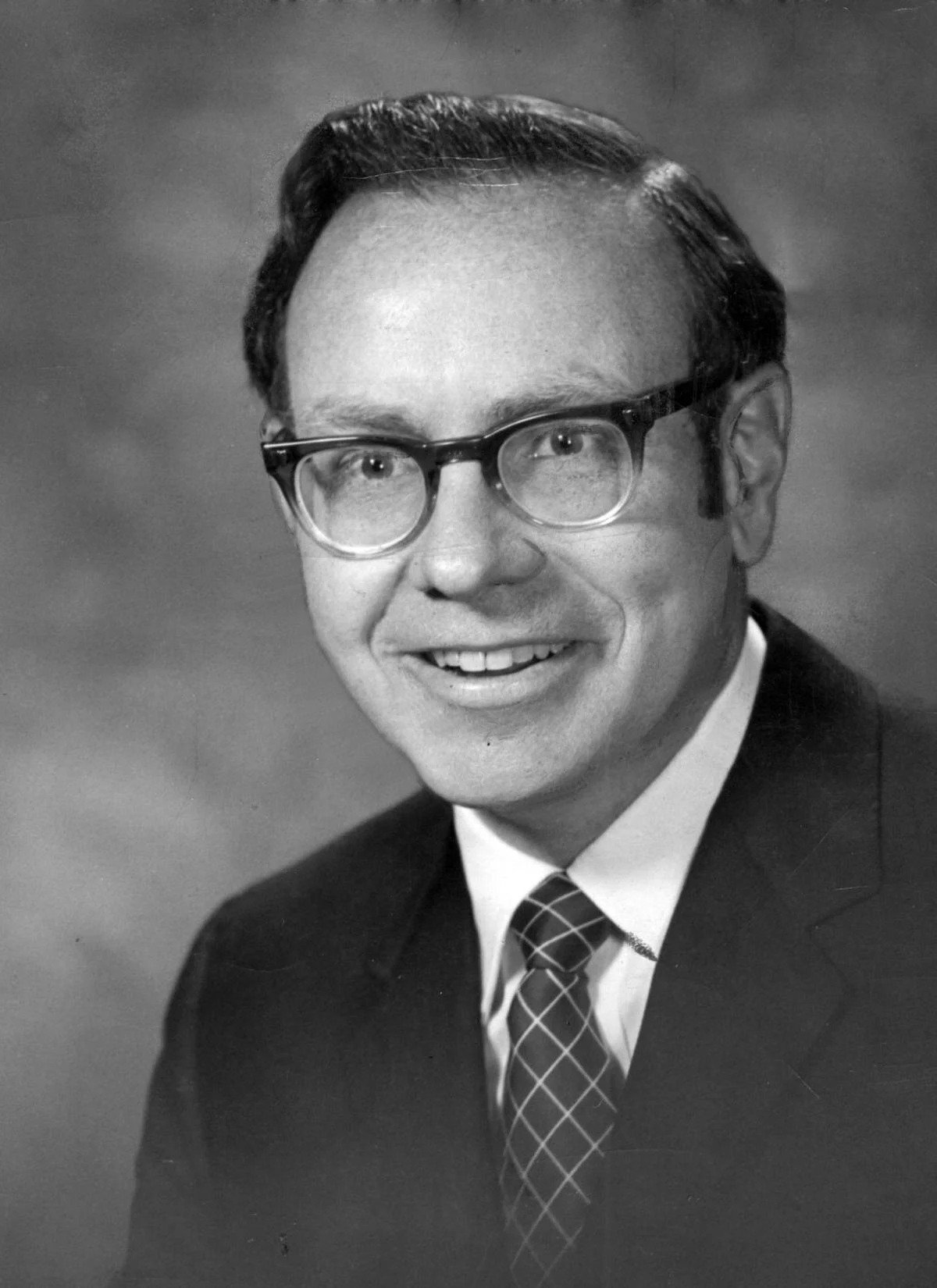
A man in his late sixties sits at a desk he has occupied for four decades. His colleagues retired years ago. He stayed — not because he had to, but because he ran the numbers and understood something most people miss: every year you delay claiming Social Security past 67, your monthly benefit grows by roughly 8%. Work to 70, and you have locked in the maximum payout the system will ever give you. That is not loyalty to an employer. That is strategy.
The question of when to stop working is one of the most consequential financial decisions a person will make — and most people make it emotionally, not analytically. They are tired. They want the freedom. They take the money at 62 or 63, accept a permanently reduced benefit, and spend the next twenty years wondering why the numbers feel tight. The reduction is not temporary. It is baked in for life.
But the calculus has a second dimension that people rarely discuss: the wealth you accumulate during those extra working years is not just the salary. It is the compounding. A person holding $1.5 million in their early sixties, still earning, still contributing, still letting the portfolio breathe — they arrive at 70 in a fundamentally different position than someone who drew down that same portfolio for eight years while waiting for markets to recover.
The inheritance question sits alongside this with equal urgency. A couple in their sixties with $1.5 million and grown children is not facing a financial problem — they are facing a communication problem. Wills exist. Intentions are clear. But probate is public, slow, and expensive in ways that create exactly the family friction they hoped to avoid. The answer is not a better will. It is a trust structure that bypasses probate entirely, combined with a family conversation held while both parents are still present to explain the reasoning. The document is the last resort. The conversation is the first defence.
What links these two stories — the man working past 70, the couple protecting what they built — is the same quiet discipline. Neither is chasing more. Both are protecting what compound time and steady decisions produced. They did not get lucky. They got patient.
For anyone in Malta navigating the same late-career decisions — when to reduce hours, how to structure what you leave behind — the Malta pension calculator is worth running before you make any irreversible moves. The numbers rarely look the same twice.
*— Marcus Azzopardi, Finance & Markets Editor*