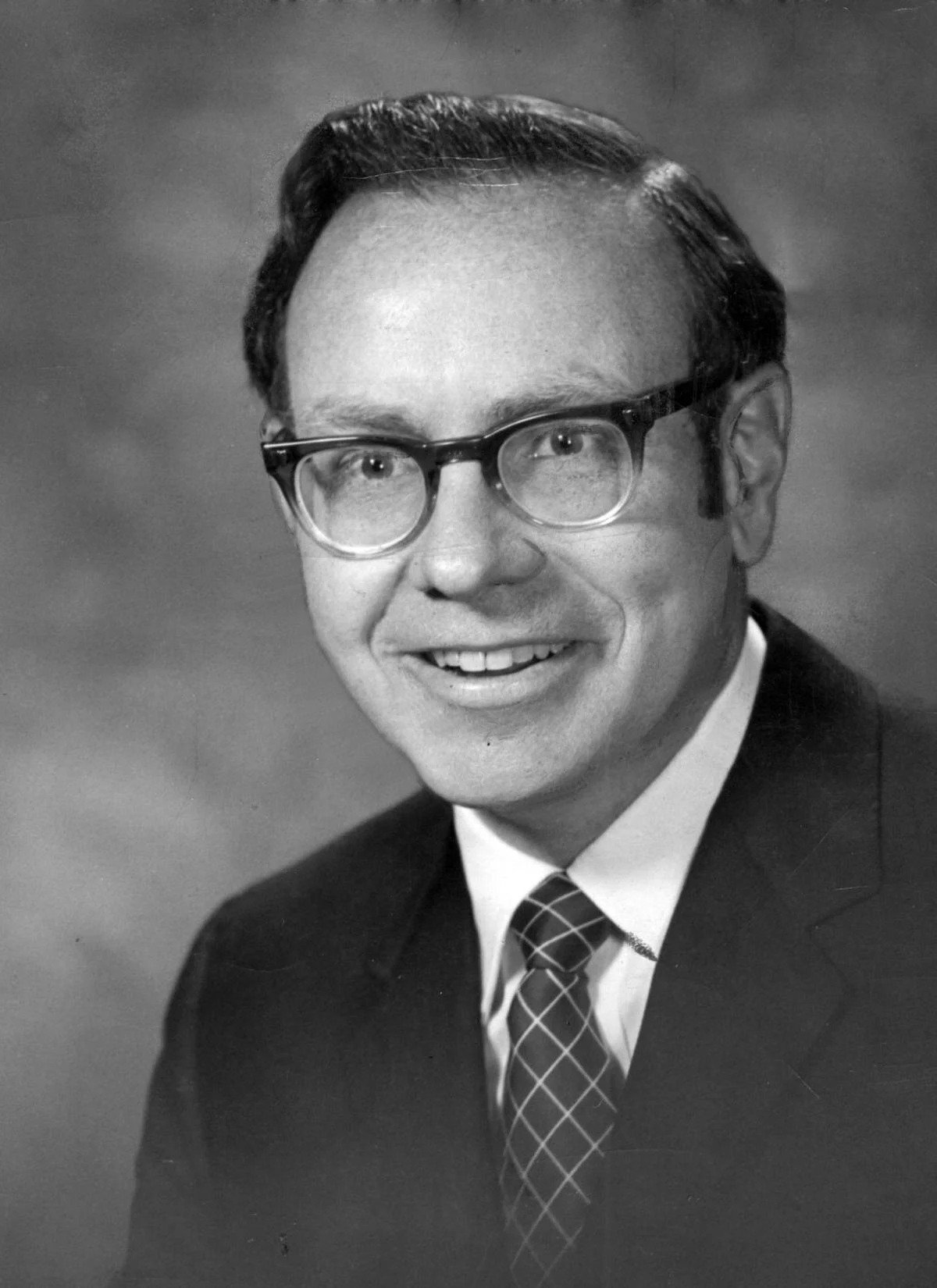
Warsh Draws the Line: 3.5% Won't Save You
US inflation fell to 3.
US inflation fell to 3.5% in June. Petrol prices did the heavy lifting. And for approximately forty-eight hours, bond traders convinced themselves the Federal Reserve was about to blink.
Kevin Warsh is not blinking.
The Fed chair stood before Congress and delivered something rarer than a rate decision: a warning with no exit ramp. He would not declare mission accomplished. He would not hint at July tightening, but he made clear that one month of benign data does not constitute a trend, and a trend is what the Fed requires before it moves. The July rate rise is off the table — that part is settled. What is not settled is everything that comes after.
Here is the mechanism, because the headline number deserves interrogation. The 3.5% print was real. The petrol component was the reason, and petrol is the most volatile input in any consumer price index — it moves with geopolitics, not with monetary policy. The Strait of Hormuz has seen consecutive exchanges of fire between US and Iranian forces. Energy traders are not asleep. They are simply pausing. One escalation — one tanker, one strike on the wrong infrastructure — and June's soft CPI becomes a historical footnote, not a turning point.
The European Central Bank is watching the same map. Several members are now publicly describing their rate outlook as "extremely volatile," which in central bank language is the equivalent of admitting they are navigating without instruments. The ECB meeting scheduled for next week arrives into precisely this fog. The Hormuz risk has not been priced into European energy markets with any conviction, which means if the situation deteriorates, the ECB will face the worst combination available: slowing growth and reignited inflation, simultaneously.
Meanwhile, the Bank of Korea raised rates for the first time in three years, responding to persistent inflation and a weakening won. Seoul moved while others hesitate. That divergence matters — it tells you that the global easing cycle that markets had been betting on through the first half of 2026 is not synchronised, and may not arrive at all if energy prices re-accelerate.
My call: Warsh is right to hold the line, and wrong to think the line holds itself. The Fed has a trust deficit — long-run inflation expectations are drifting upward in ways that short-term CPI prints do not capture. If Hormuz deteriorates and energy spikes again before autumn, the Fed will face a decision it has been trying to defer: raise into a slowdown or watch credibility erode further. I put that scenario at roughly one-in-three odds. Not a prediction. A position to have a plan for.
For Malta, this matters directly. The ECB's indecision extends the uncertainty around variable mortgage rates — the reset you were hoping for in Q3 may not arrive on schedule. If you are on a tracker mortgage, build your household budget around rates staying where they are through the end of the year. If you are refinancing, check your actual cost exposure before you assume the relief is coming.
The fog is the forecast. Plan accordingly.