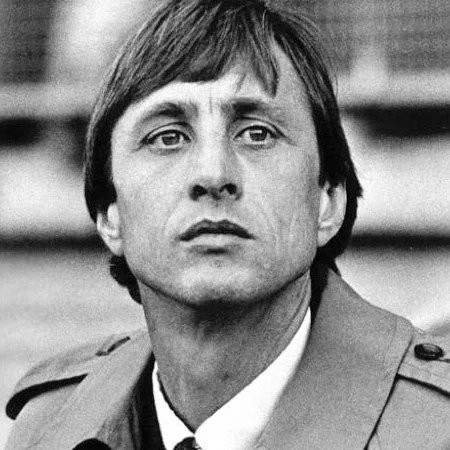
Zidane Comes Home: France Sold the Dream
Zinedine Zidane reached that point somewhere around a warm Turin evening in 1996, and he has never quite come back from it.
By Alex de Valletta, Sports & Culture Correspondent
There is a moment in every great career when the person becomes the symbol — when the name stops belonging to the man and starts belonging to something larger. Zinedine Zidane reached that point somewhere around a warm Turin evening in 1996, and he has never quite come back from it. France has been waiting, not for a manager, but for a mirror — something to hold up and say: *this is what we are*.
The announcement that Zidane will take charge of the French national side is not a football story. It is a cultural event dressed in a tracksuit. After France finished fourth at the 2026 World Cup, the federation faced the kind of institutional moment that separates honest organisations from theatrical ones: do you chase the best available, or do you chase the necessary? They chose necessity. And they may be right.
Zidane said the only thing he ever wanted to do was coach France. That sentence, delivered quietly, contains forty years of deferred ambition. You do not say something like that unless you mean it in a way that keeps you awake at 3am. He has managed Real Madrid to three consecutive Champions League titles, which is an achievement so improbable it starts to resemble myth. But a national team is different. A national team is biography.
While that appointment rewrites French football's next chapter, the summer's transfer economy continues its own kind of storytelling — one measured in euros rather than legacies. The 2026 window is shaping up to be the most expensive in history, with Premier League clubs leading the spending in a way that no longer surprises anyone but still manages to astonish. Harry Kane turns 33 carrying a World Cup wound, and the question of whether he returns to England from Bayern Munich is less a transfer story than a meditation on what a player owes himself versus what he owes the narrative others have written for him. A man who has scored that many goals deserves to choose his own ending.
Deeper in the transfer pages, Newcastle United are pursuing attacking reinforcements at around £40 million — the kind of fee that once bought a club's best player and now buys a promising option. Coventry City are closing in on a deal that would break their transfer record, which is the kind of news that reminds you football operates across several simultaneous economies, each with its own rules of gravity.
And then there is the fight between UEFA and FIFA over Gianni Infantino's reported plan to sell private stakes in the World Cup itself. UEFA called it crossing a line. One official reportedly used the phrase "nuclear bomb for football." This is the language of people who understand that the World Cup is not a product — it is the only thing in sport that still stops the entire planet at the same time. You do not sell that. You hold it.
Zidane understood that. He played in one and became immortal. He will coach in one and try to make others the same.