Late Start, Clean Sheet: The IPO That Rewrites the Founder Timeline
And the National Stock Exchange of India — whose own IPO filing landed this week — was incorporated in 1992, spent three decades quietly becoming the backbone of a financial system, and is only now letting outside investors formally buy in.
Mukesh Ambani was not twenty-five when he built Jio. He was in his fifties — already one of the richest men on the planet — and he bet the infrastructure of a continent on cheap data and the patience of a market that hadn't caught up yet. Now Jio Platforms is filing its IPO papers, and the valuation conversation alone is rewriting what a digital business built outside Silicon Valley can be worth.
But here is the thing that matters more than the number.
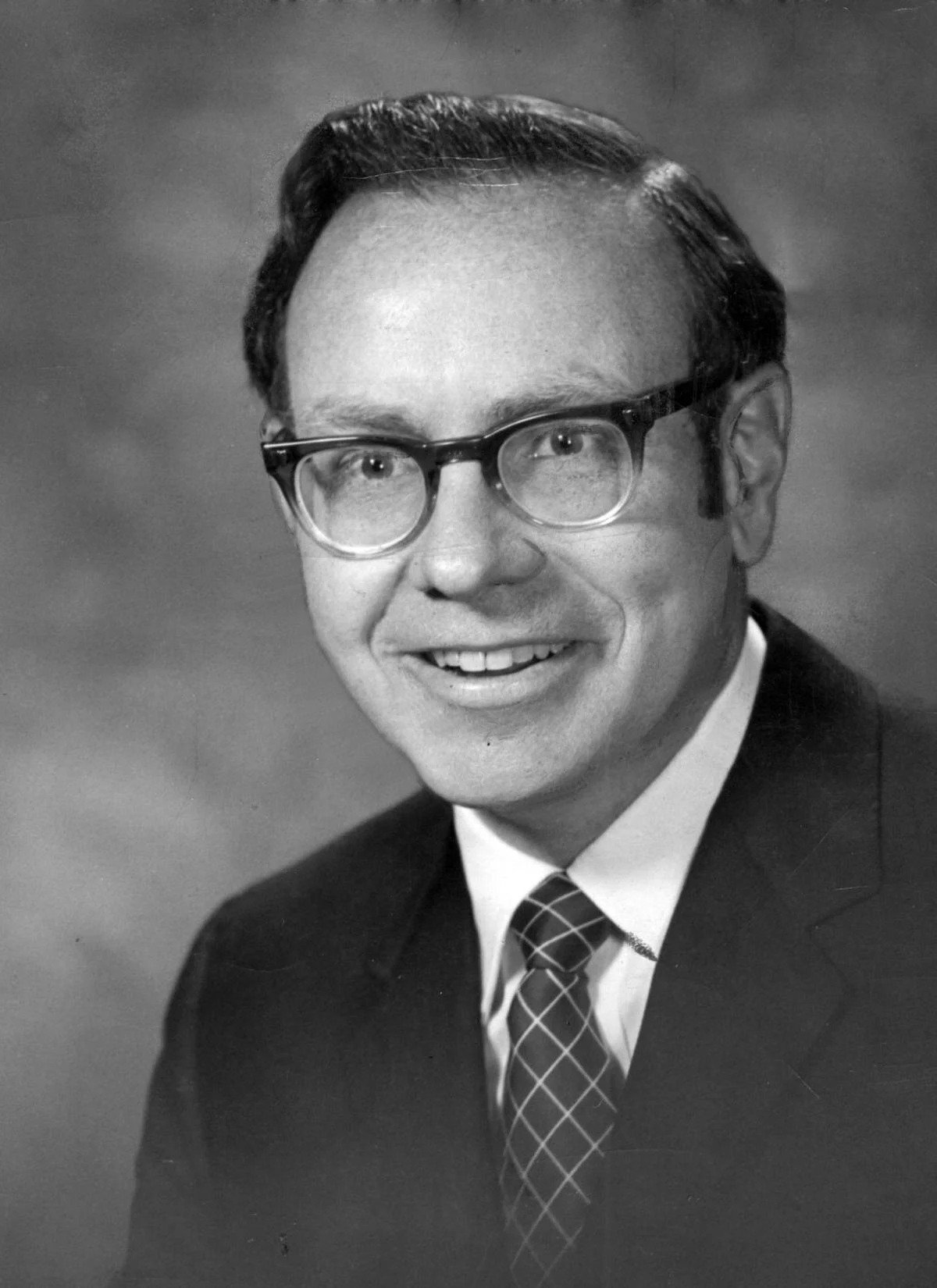
Seth Klarman started at twenty-five. Ambani restructured at fifty. And the National Stock Exchange of India — whose own IPO filing landed this week — was incorporated in 1992, spent three decades quietly becoming the backbone of a financial system, and is only now letting outside investors formally buy in. Three different timelines. One lesson.
The obsession with early is the most expensive bias in entrepreneurship.
We have built a mythology around the university dropout, the garage, the Series A at twenty-eight. And the mythology is not wrong — it is just incomplete. What it hides is that the founders who build things that actually last usually build them after they have failed at something else, worked inside a system long enough to understand its plumbing, or — most importantly — waited until the market was ready to receive what they had.
Klarman spent decades being called too cautious. Too slow. Too contrarian. He held cash when everyone else was fully deployed. Baupost's returns over forty years are not a vindication of speed. They are a vindication of waiting for the right price.
If you are building something in Malta right now, the conditions are not easy. Capital costs more. The Malta grants landscape has expanded but accessing it still requires preparation most founders skip. The temptation is to rush — to get to market before you are ready because the window might close.
The window does not close. The unprepared founder does.
Ambani's move is not just a capital event. It is a reminder that the most valuable companies in the world are sometimes the ones that took the longest to let you in. The ones that built real things before they sold paper.
Your timeline is not behind. It is just yours. The question is whether you are using the time, or just waiting for permission to start.