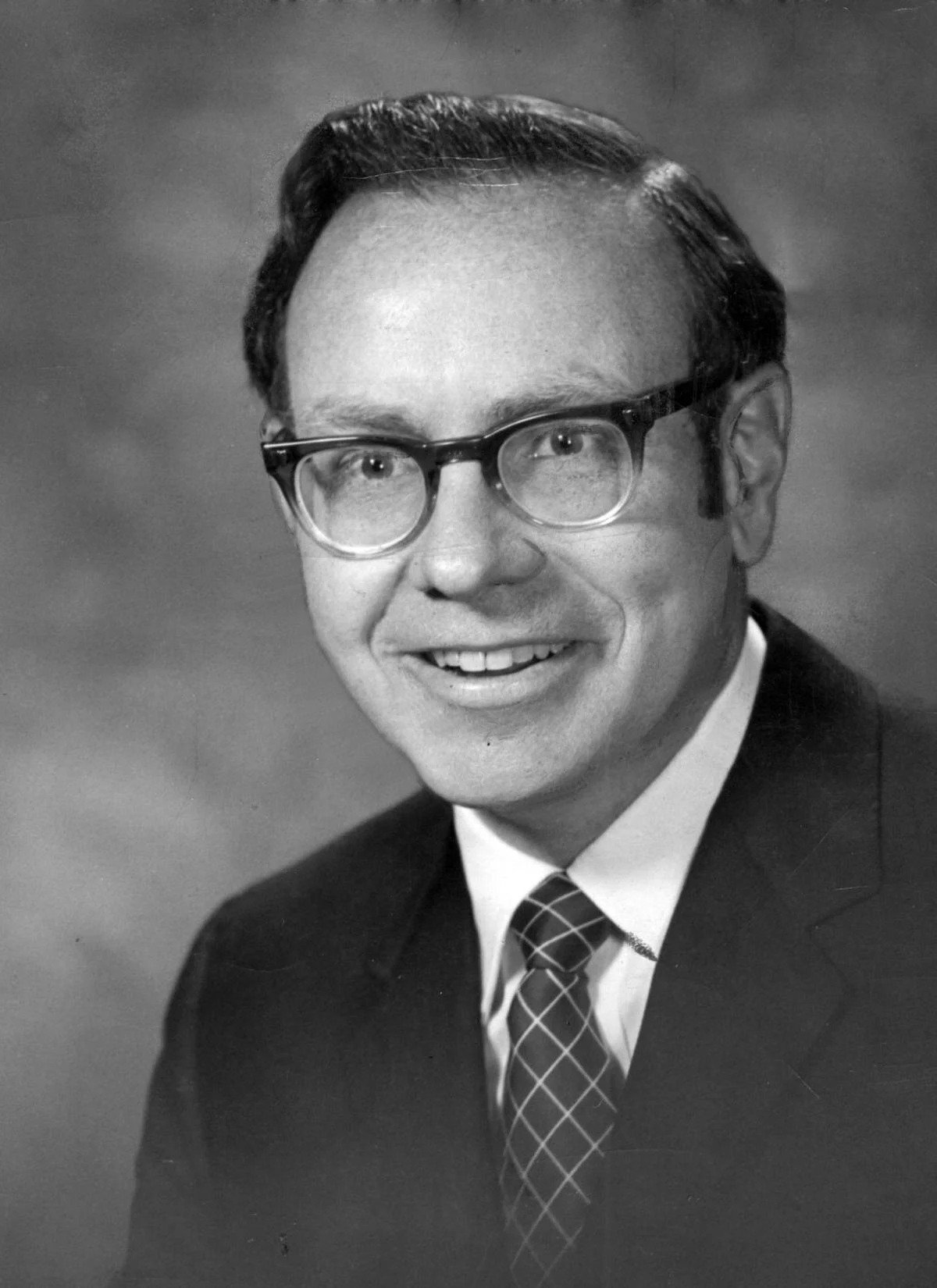
New Chapter Begins: Borg Strikes Hopeful Tone
Alex Borg stood before the cameras yesterday, his voice steady despite the electoral mathematics that had just reshaped Malta's political landscape.
Alex Borg stood before the cameras yesterday, his voice steady despite the electoral mathematics that had just reshaped Malta's political landscape. "The beginning of a new chapter," he said, and for once the phrase didn't sound like campaign rhetoric. It sounded like a man who had learned something expensive about leadership.
Opposition leaders usually don't sound hopeful after losing. They sound bitter, or defensive, or they disappear entirely for six months of strategic silence. But Borg chose a different script. He acknowledged the defeat, thanked his supporters, then did something remarkable: he talked about the future as if he still had one in it.
This matters beyond politics. Leadership transitions — whether in governments, companies, or startups — reveal character in ways that success never can. How you lose tells people more about your judgment than how you win. Borg's response signals something the business community watches carefully: emotional resilience under pressure.
Malta's opposition has spent years learning this lesson the hard way. Every electoral cycle brings the same pattern: initial optimism, grinding campaign reality, then the moment when the numbers come in and you discover whether your leadership was built on genuine conviction or just favorable polls.
What Borg demonstrated yesterday was institutional thinking — the recognition that political movements outlast individual careers. His "stronger alternative" promise wasn't about personal redemption; it was about building something durable. This is exactly the mindset that separates sustainable businesses from flash-in-the-pan ventures.
The Duke of Edinburgh Award program, celebrating 65 years in Malta, actually provides the framework for understanding this kind of long-term development. The program builds what psychologists call "executive functions" — planning, self-regulation, persistence through setbacks. These aren't just nice leadership qualities. They're the cognitive tools that determine whether you can execute over decades rather than quarters.
Young entrepreneurs watching Borg's response should take notes. The market doesn't care about your feelings when your startup burns through its Series A funding. Investors don't want to hear about fairness when your revenue projections miss by forty percent. What they want to see is exactly what Borg showed: acknowledgment, analysis, and a credible plan forward.
Malta's business environment rewards this kind of thinking. The island's size means reputations follow you everywhere. Burn bridges dramatically, and you'll spend years rebuilding credibility. Handle setbacks professionally, and people remember that too.
The new chapter Borg promised starts with understanding that leadership isn't about never losing. It's about what you build after you do.