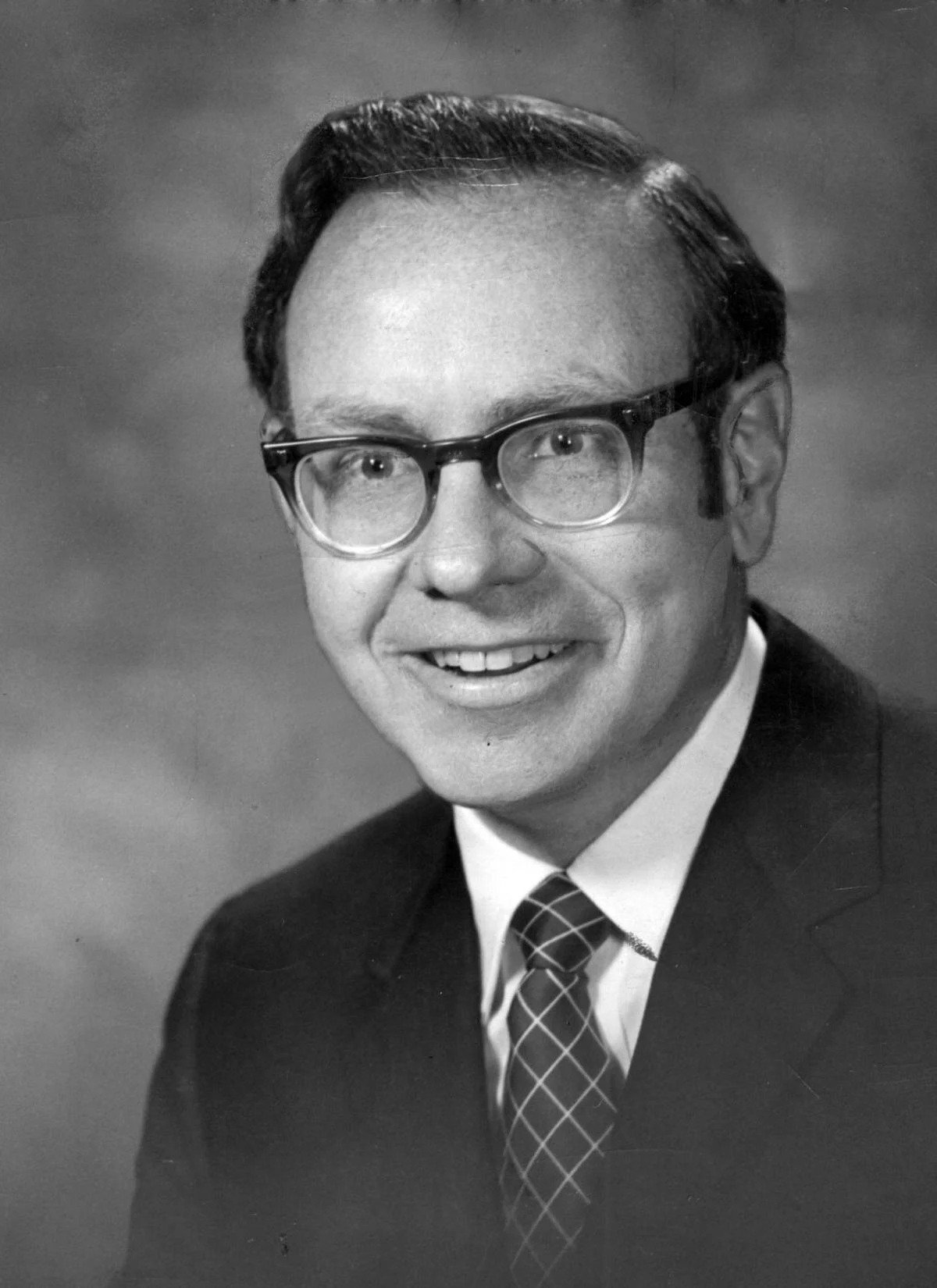
Warren Buffett Steps Back: The Exit Is the Lesson
The man who turned a failing textile mill into a $900 billion conglomerate closed the door quietly — which is, if you've been paying attention, entirely on brand.
He didn't call a press conference. There was no farewell tour, no memoir dropped strategically on a Monday morning, no CNBC appearance where he reflected on nine decades of wisdom. Warren Buffett simply handed Berkshire Hathaway to his son Howard and stepped back. The man who turned a failing textile mill into a $900 billion conglomerate closed the door quietly — which is, if you've been paying attention, entirely on brand.
The exit is the lesson. And most people who are building something will never learn it.
Here's what Buffett actually did over sixty years: he made one bet at a time, held it longer than was comfortable, ignored the noise, and compounded. That's the whole playbook. The reason it sounds simple and is nearly impossible to execute is that markets — and careers, and businesses — are designed to make you react. Every quarter, every rate decision, every headline is an invitation to move, to pivot, to prove you're paying attention. Buffett's genius was knowing that most of that activity is performance, not progress.
The Federal Reserve raised rates by a quarter-point this week, and its statement came in at 130 words — the tersest the Federal Open Market Committee has been since 2007. Bank of America noticed. The Fed's confidence in economic growth is simultaneously at its highest since the committee began publishing outlooks. Two facts, one signal: the people running monetary policy think they've got this. Whether they do is another question. But when institutions say less, it usually means they're either very certain or very careful. Right now they appear to be both.
For anyone building a career or a business in this environment, the parallel holds. A sideways market with rising earnings is exactly the kind of terrain that rewards patience over performance — the kind of opportunity, as Truist analysts put it, not seen since ChatGPT first changed the conversation around what technology is actually worth. Anthropic and OpenAI are racing to lock up smaller data centre deals, which tells you where the next five years of infrastructure money is going. Not into flashy announcements — into capacity.
The ambition takeaway is this: Buffett's exit confirms what his career always argued. The builder who knows when to stop building is rarer, and worth more, than the builder who never stops. In Malta, where the founder ecosystem is maturing fast, the question worth asking right now isn't how to grow — it's whether you've built something that survives your absence. That's the only real measure of what you've made.