Bella Hadid Burns Slow: The Campaign That Earns Its Heat
Bella Hadid's new imagery for Ore Bella is not that version.
There is a version of a model campaign that exists purely to remind you someone is still working. A pretty face, a predictable set, a caption that says something about "fire" without meaning any of it. Bella Hadid's new imagery for Ore Bella is not that version.
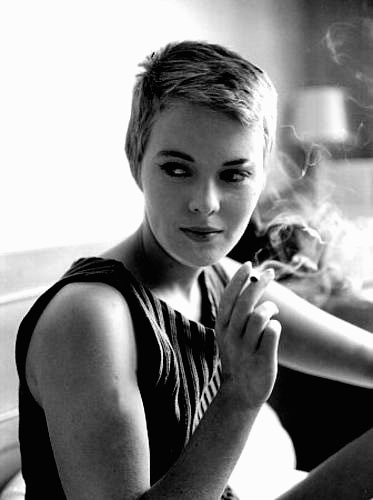
The "Blooming Fire" campaign, photographed by Sharna Osborne, does something most beauty and fashion work has forgotten how to do — it earns its metaphor. The fire isn't decoration. It's a temperature. Osborne's eye has always understood that the most interesting thing about a beautiful subject is what they're withholding, and here, Hadid withholds enough to make you lean in. The behind-the-scenes shots are circulating almost as widely as the campaign itself, which tells you everything about how this was constructed: the work and the making of the work are equally deliberate.
This matters beyond Hadid specifically. The couture season is mid-swing, and backstage at fall 2026 shows, models are apparently reading — actually reading, books, not phones — which is either a genuine cultural moment or the most elegant PR the industry has produced all year. Either way, it's telling you something about how the people who wear the clothes want to be perceived right now. Intellectual. Interior. Not just surface.
That tension — between image and depth, between what you show and what you mean — is the real conversation happening in style at the moment. Barbara Palvin Sprouse, pregnant and openly navigating an endometriosis diagnosis in public, is doing it differently: using visibility for something other than selling. It's unfashionable to say that fashion can contain that kind of honesty, but it can, and right now it increasingly does.
And then, threading through all of it, the World Cup. Vogue's outfit guides and summer capsule wardrobes are already tilting toward match-day dressing — baggy jeans, Birkenstocks, the kind of effortless-by-effort formula that editors have been quietly perfecting for two decades. It's a useful reminder that the biggest cultural events don't just change what people watch; they change what people wear to watch them. Stands become runways. Fandom becomes costume.
The Hadid campaign sits at the centre of all this because it understands something the capsule wardrobe guides and the backstage reading lists are also circling: that the most powerful thing a visual language can do is make you feel something before you've processed what you're looking at.
That's not a trick. That's the whole point.