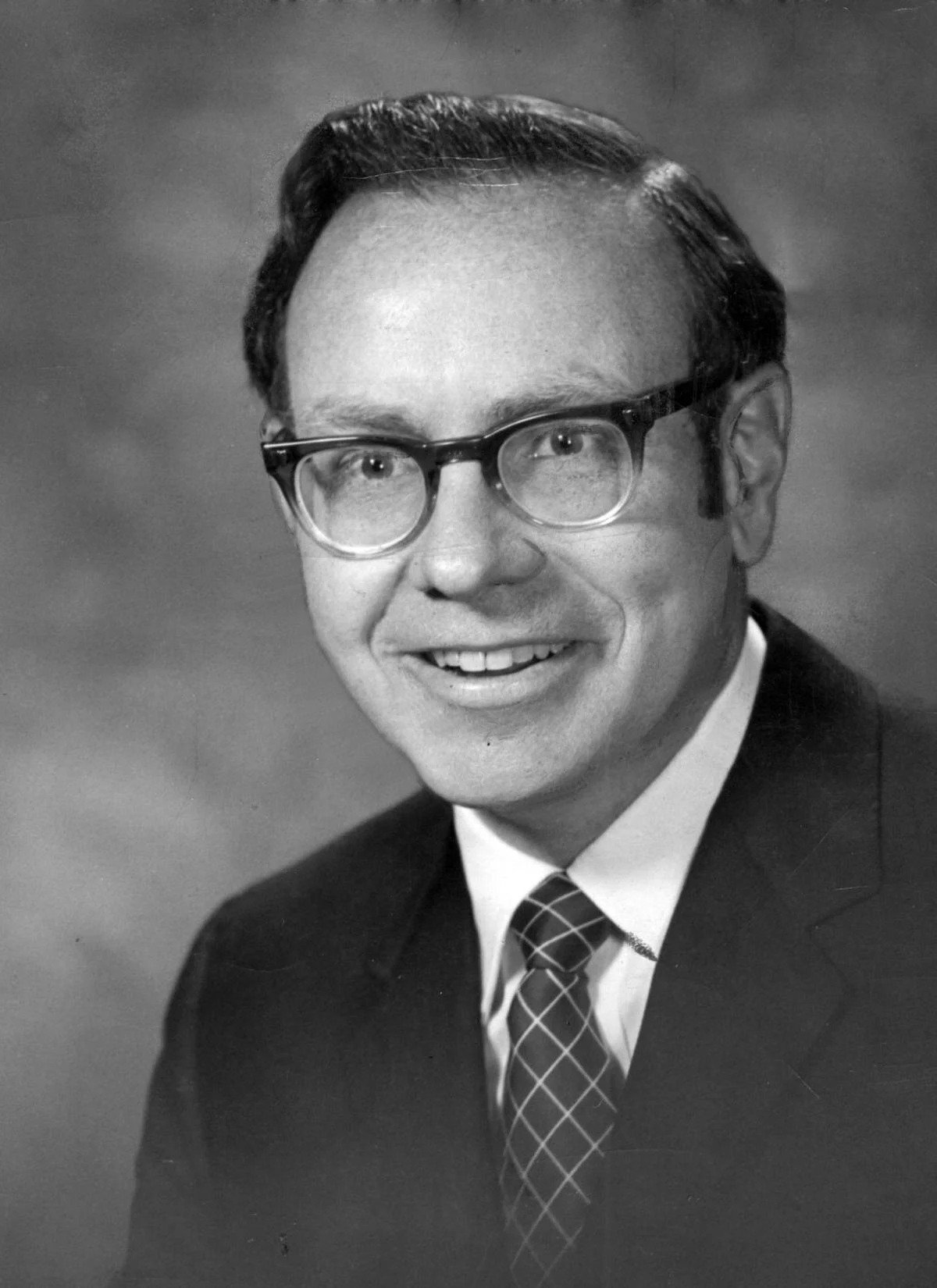
Nagel Holds the Line: Lagarde Eyes the Exit
Joachim Nagel, Germany's man on the ECB Governing Council, used his platform this week to say something the market is not particularly interested in hearing: stay vigilant.
A fourth straight week of gains for European equities. The Stoxx closing at a record. Gold posting its first weekly rise since May. On the surface, this looks like a market that has made its decision — the Fed blinks, the ECB follows, and everyone exhales. But sit with that picture for a moment longer and you'll notice the cracks running underneath it.
Joachim Nagel, Germany's man on the ECB Governing Council, used his platform this week to say something the market is not particularly interested in hearing: stay vigilant. Keep options open. The story the rally is telling — that central banks are done, that the tightening cycle is finished, that rates only travel one direction from here — is a story Nagel is not yet signing off on. He is not alone. Two senior French economists looked at Thursday's U.S. labour market data, the same data traders used to dial back Fed hike expectations, and reached the opposite conclusion: the Fed will still need to move again before the year ends.
This is the divergence worth watching. Not the one between the Fed and ECB as institutions — though that is real — but the divergence between what markets have priced and what the people inside these institutions are actually saying. Kevin Warsh, sitting in Sintra at the ECB's annual gathering of central bankers, gave nothing away on Fed direction. Nothing. And yet markets responded as if silence were a promise.
Gold understands something equities are choosing to ignore. It doesn't rally when the world is calm. It rallies when intelligent people disagree about what comes next, and when the cost of being wrong is asymmetric. The first weekly gain since May is not a celebration — it is a hedge.
Then there is Christine Lagarde herself, who declined to rule out an early end to her ECB term as whispers grow about a return to French politics. She will attend the Ecofin meeting in Brussels in place of her vice president. Routine, officially. But when the president of the ECB starts answering questions about her own continuity with studied ambiguity, the market has a new variable it didn't price in on Monday morning. Institutional continuity at the ECB matters. The next rate decision matters more when you're not certain who is making it.
My call: this rally is real but fragile. European equities are being carried by sentiment, not by clarity. The moment Nagel's vigilance becomes a vote, or Lagarde's departure becomes a timeline, the record highs become a ceiling rather than a floor. I am not predicting a reversal — I am saying the risk premium is underpriced. If you have equity exposure built on the assumption that both central banks pivot cleanly and simultaneously, check your Malta pension calculator assumptions. The divergence scenario costs more than the consensus expects.