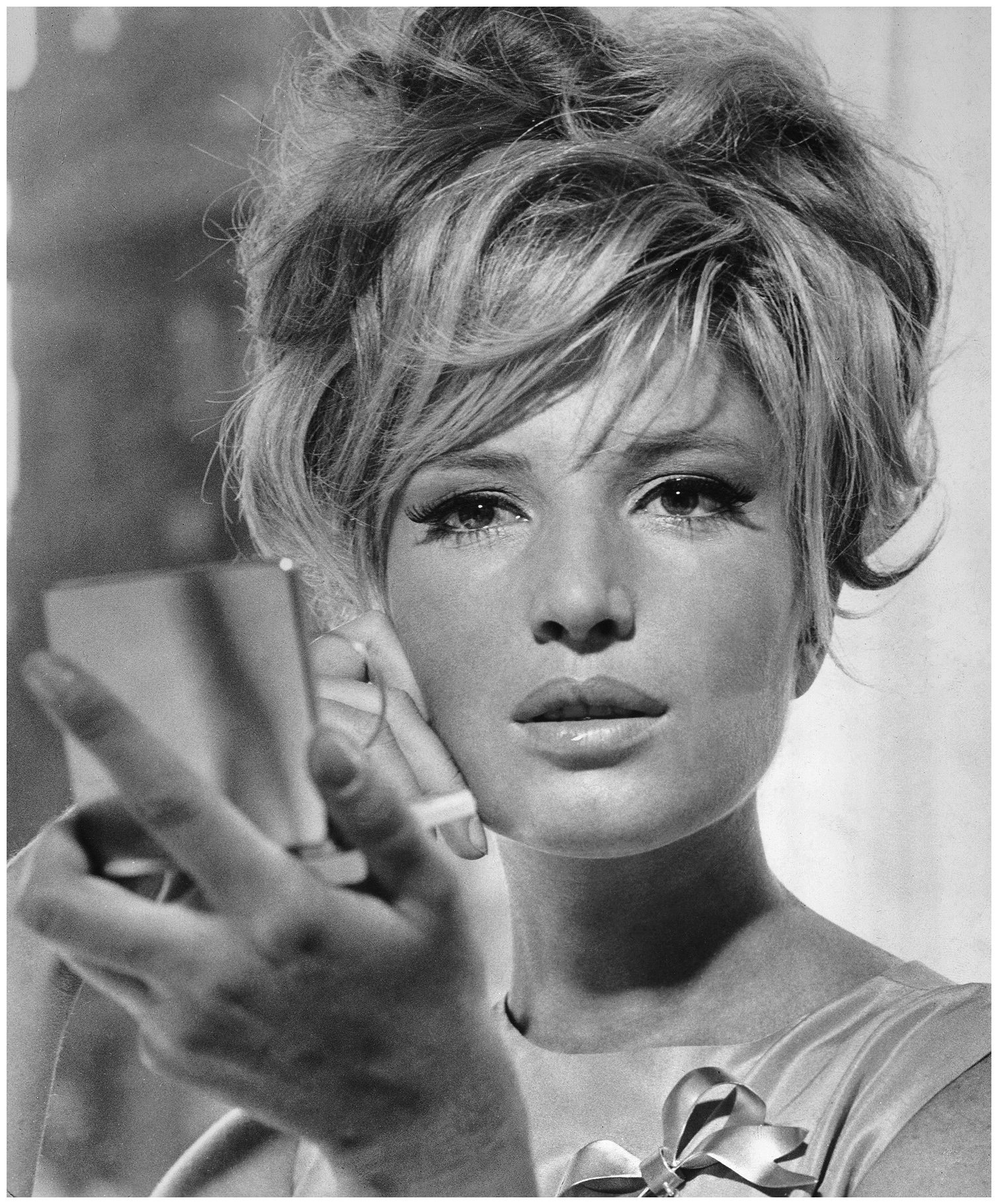
Charm Is the Weapon: Love Doesn't Hurt Like This
There is a particular kind of exhaustion that has no name in the medical literature, even though I have watched it walk through my clinic door more times than I can count.
There is a particular kind of exhaustion that has no name in the medical literature, even though I have watched it walk through my clinic door more times than I can count. The person sits down. They look fine — dressed, functioning, coherent. And then they say something like: *I don't know what's wrong with me. I love him. But I feel worse every single day.*
Nothing is wrong with them. That is almost always where we begin.
Emotional manipulation is one of those phrases that gets used so loosely it has started to lose its shape — thrown at difficult exes and demanding parents and colleagues who micromanage, until the word means everything and therefore means nothing. So let me be precise, because precision is the only kindness I know how to offer on this particular subject.
Manipulation in a relationship is not conflict. It is not someone being moody or selfish or emotionally clumsy — we are all guilty of that on our worst days. What distinguishes manipulation is the structure of it: it is *systemic*, it is *directed*, and its purpose — conscious or not — is to destabilise your perception of yourself so that you remain easier to control. It is not a bad night. It is a weather system you have been living inside of without realising the climate was engineered.
The Gottman researchers have written about this carefully, and what they identify maps almost perfectly onto what I observe clinically. There is the gaslighting — not the dramatic film version, but the quiet, drip-feed kind, where someone says *I never said that* or *you're being ridiculous again* often enough that you start consulting your own memory the way you'd consult a document you no longer trust. There is the weaponised vulnerability — the person who deploys their pain with such surgical precision that you always end up comforting them through their own cruelty to you. There is the emotional hostage-taking: the relationship as a thing that can be revoked at any moment, kept perpetually in the air so that you never feel settled enough to ask for anything. And there is the one that I think is most under-discussed — the constant low-grade *framing*, where your reasonable concerns are rebranded as your defects. You are too sensitive. You are too needy. You are the difficult one, and if you were just less of whatever you are, everything would be fine.
What makes this so hard to see from inside it is that the manipulator often genuinely believes their own narrative. The most dangerous versions are not the calculated sadists of crime fiction — they are people who are themselves frightened and have found, through years of unconscious practice, that fear and uncertainty in their partner keeps the attachment locked. They are not plotting. They are surviving, badly, at your expense.
I have sat across from people who spent years in this kind of relationship and came out the other side genuinely uncertain whether they had any instincts worth trusting. That is the real damage — not the arguments, not even the worst moments, but the slow erosion of self-referencing. You stop checking in with yourself because you have been taught, methodically, that yourself is an unreliable narrator.
Here is what I tell those clients, and what I will tell you plainly: the first sign is not a behaviour. It is a feeling. It is the feeling of walking on a floor you are not sure will hold. It is the sense that you must manage the other person's emotional state before you can have any emotional state of your own. It is the way you rehearse sentences before you say them — not because you want to communicate well, but because you are afraid of what happens if the words land wrong. That feeling is data. Take it seriously.
Recovery from this kind of relationship is slow, specifically because what was damaged was not your heart but your epistemology — your ability to know what you know. Therapy helps. Time helps. But what helps most, in my experience, is being in relationships — romantic, platonic, professional — where your perception is treated as valid. Where you say *that hurt me* and the response is *tell me more*, not *here is why you're wrong to feel that*.
The people who find their way back to themselves are not the ones who stop trusting everyone. They are the ones who learn to tell the difference between being challenged and being dismantled — and who decide, finally and without apology, that dismantling is not love.
Love is not supposed to make you smaller. And if you have been with someone long enough that you have genuinely forgotten what your full