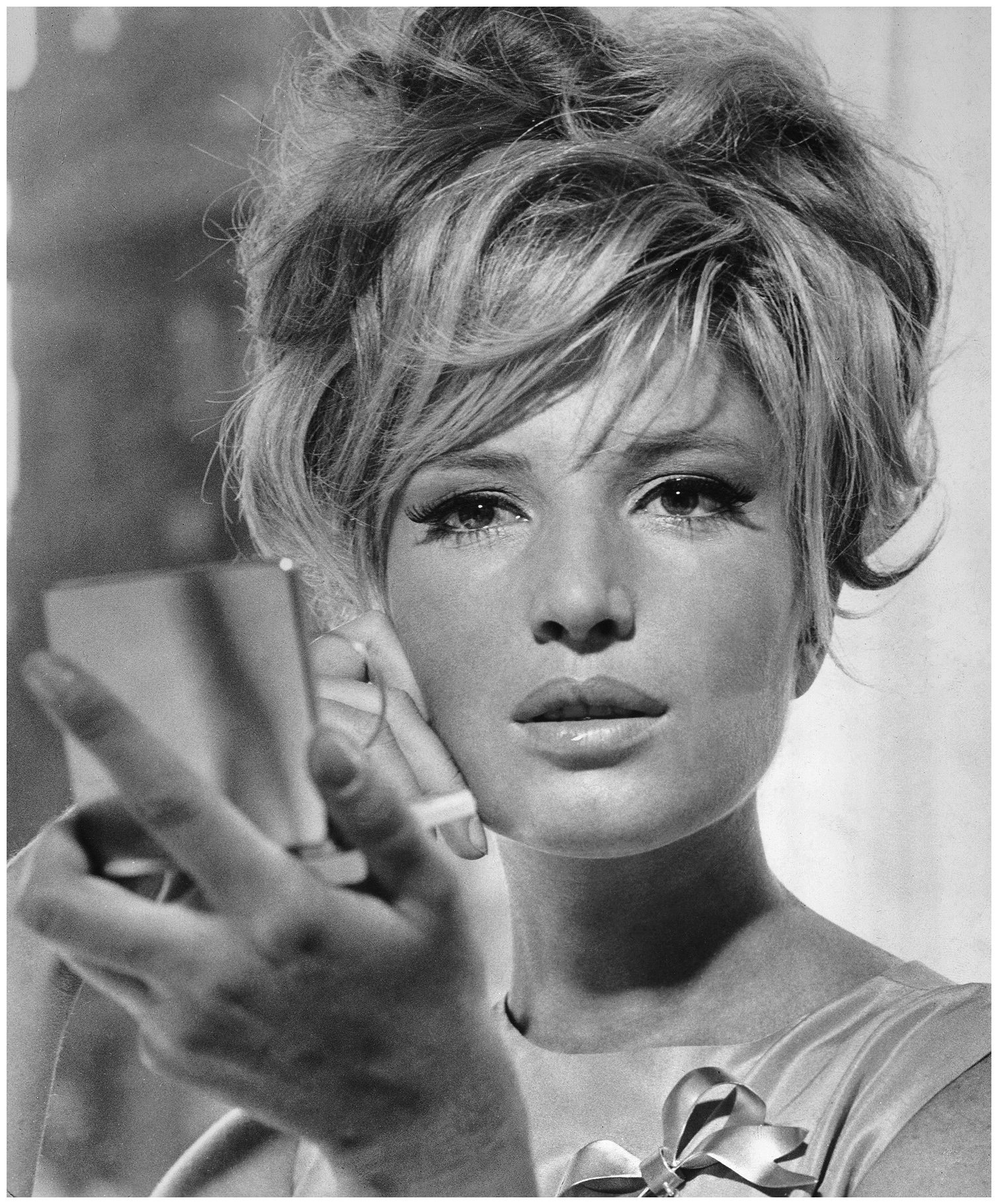
Father's Love: Saved for the Wrong Child
I received a message last week that made me close my laptop and walk away.
Father's Love: Saved for the Wrong Child
I received a message last week that made me close my laptop and walk away. A woman — let's call her Maria — wrote about watching her father visit her brother in prison every Sunday for three years. The same father who hadn't spoken to her in five. The same father who told her she was "a disappointment to the family name" when she divorced her husband. Her brother was serving time for assault. She had left an abusive marriage.
This is the mathematics of love in too many families: affection distributed according to gender rather than character, forgiveness offered to the son who destroys while withheld from the daughter who escapes.
In my practice, I see this pattern repeated with devastating consistency. The son who gambles away the family savings receives understanding — "he's going through a difficult time." The daughter who leaves her cheating husband receives judgment — "marriage requires sacrifice." The son's failures become circumstances; the daughter's choices become character flaws.
It's not conscious cruelty. It's something deeper and more insidious — the unconscious belief that men's mistakes deserve compassion while women's autonomy deserves punishment. That protecting yourself is somehow less worthy than destroying others, provided you're wearing the right chromosomes while you do it.
These fathers don't see themselves as unfair. They see themselves as traditional, as principled, as men who understand what really matters. They'll drive three hours to visit a son in prison but won't cross town to meet their daughter's new partner. They'll defend the boy who hits but disown the girl who leaves.
The daughters grow up learning that love is conditional on compliance, that approval requires shrinking yourself small enough to fit inside someone else's expectations. They become women who apologise for wanting more, who question their own judgment, who choose partners who recreate the dynamic they learned at home — love as transaction, affection as reward for acceptable behaviour.
But here's what these fathers never understand: the daughter watching from the outside learns everything. She learns that love isn't distributed fairly. She learns that protection isn't equally offered. She learns that being good isn't enough — being female means being wrong by default.
The cruelest part isn't the favouritism itself. It's the way these families pretend it doesn't exist, the way everyone colludes in calling it something else — tradition, values, the natural order. The daughter is left holding her truth like a foreign object, told her perception is flawed, her pain manufactured.
You cannot build a relationship on the foundation of someone else's denial. You cannot love someone who only accepts the version of you that fits their story. And you cannot heal in a space where your hurt is treated as evidence of your weakness rather than proof of their failure.
The fathers who save their love for the wrong children wonder why their daughters drift away, why conversations become stilted, why grandchildren are kept at careful distances. They blame the daughters for being difficult, ungrateful, too sensitive to family dynamics. They never consider that the daughter learned exactly what she was worth — and chose to find her value elsewhere.
*Sometimes the most loving thing you can do is stop showing up for people who refuse to see you clearly.*