Kinda Chic: Being Alone Looks Good On You
Elena Vella | Love, Life & Relationships --- There is a phrase moving through the internet right now with the quiet confidence of someone who has stopped explaining herself.
Elena Vella | Love, Life & Relationships
---
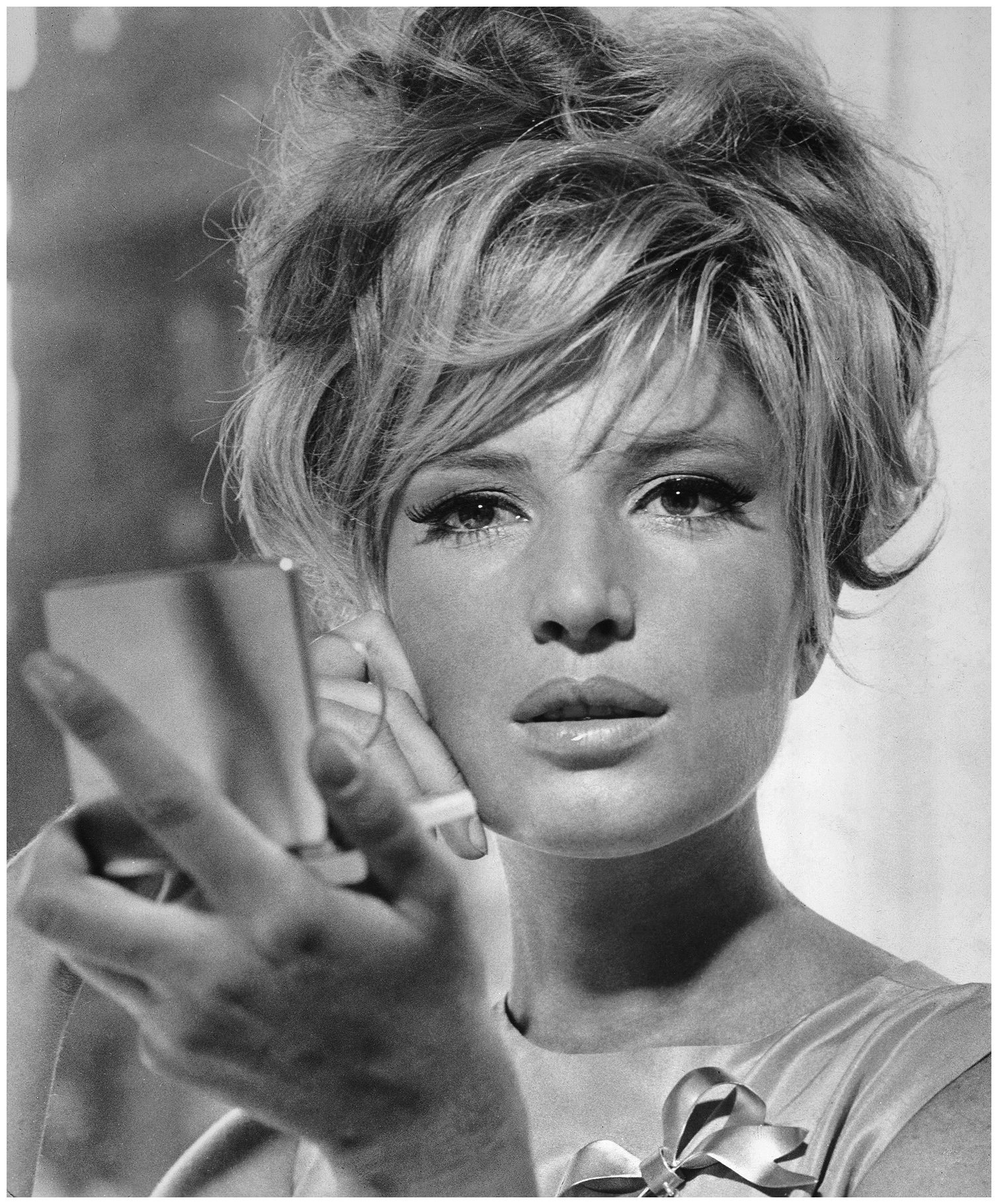
There is a phrase moving through the internet right now with the quiet confidence of someone who has stopped explaining herself. People post a photograph — of a solo dinner table set for one, of a cancelled plan, of a Saturday spent entirely according to their own appetites — and write over it in pale yellow text: *kinda chic to…* Fill in the blank. Kinda chic to eat alone at a good restaurant and order the expensive thing. Kinda chic to say no to a party you didn't want to attend. Kinda chic to be fifty and unbothered and still a little bit dangerous.
I find it interesting. Not the aesthetic — aesthetics come and go like ferry schedules — but the psychological turn underneath it. Something has shifted in how people are choosing to narrate solitude. And in my work, the language people use to frame their lives matters enormously. It is often the first thing that changes before the life itself does.
For most of recorded history, being alone was a wound to manage, a state to apologise for, a temporary condition on the way to the real thing. The real thing being, of course, another person. Ideally one who stays. We built entire social architectures around this premise — the couples' dinner, the plus-one, the assumption that a table for one is a table for someone who failed to arrange something better. I have sat at those tables. I have felt the particular weight of the waiter's glance. And I have also, eventually, learned to find them restful.
Here is what the psychology actually says, stripped of the Instagram gloss: solitude tolerance — the ability to be alone without it triggering anxiety — is one of the most reliable indicators of relational health. Not because people who can be alone don't want connection. They often want it more urgently, more clearly, than those who enter relationships from a position of scarcity. But because the person who can sit with herself, undistracted, without reaching for her phone or her ex or her third glass of wine, is the person who knows what she actually wants. And knowing what you actually want is, in my professional experience, rarer than it sounds.
The people I see in my clinic who struggle most in relationships are rarely the ones who chose badly in some obvious way. They are the ones who never developed a relationship with their own company. Who confused loneliness — which is the pain of unwanted solitude — with solitude itself, which is simply the condition of being present with oneself. They couple because the alternative feels like free-falling. And when you couple from free-fall, you grab whatever is nearest. Sometimes you grab something wonderful. More often you grab something that holds you for a while and then has to be carefully removed, like a hook.
*Kinda chic to eat alone.* Yes. But also: kinda necessary. Not as a lifestyle brand. Not as a pose. As practice — the same way a musician practises scales not because scales are music, but because the hands need to know where to go when the music starts. Being comfortable alone teaches you what you are made of when there is no one to perform for. It shows you your actual rhythms, your real preferences, the things you tell yourself you love because a partner loved them and you loved the partner.
I spent years — I will not pretend otherwise — unable to distinguish between what I wanted and what I had adapted to want. It takes time. It takes uncomfortable Saturday mornings with no plan. It takes ordering what you actually feel like eating rather than what makes you seem like the kind of woman who orders well. It takes, in short, the willingness to be a little boring to yourself before you can be genuinely interesting to anyone else.
The *kinda chic* aesthetic has its limits. Turning aloneness into a brand is still a performance, just a solitary one. If you are photographing your solo dinner for approval, you have simply outsourced the audience. Real solitude does not photograph particularly well. It looks like a person sitting in a chair, or walking without headphones, or lying in a courtyard listening to something in the walls. Not chic at all. Just quiet, and — if you stay with it — eventually yours.
But I will take the cultural moment for what it offers: permission. Permission to stop treating your own company as a consolation prize. Permission to say *no* not because you have something better to do, but because nothing is sometimes exactly what you need. Permission to arrive at a relationship