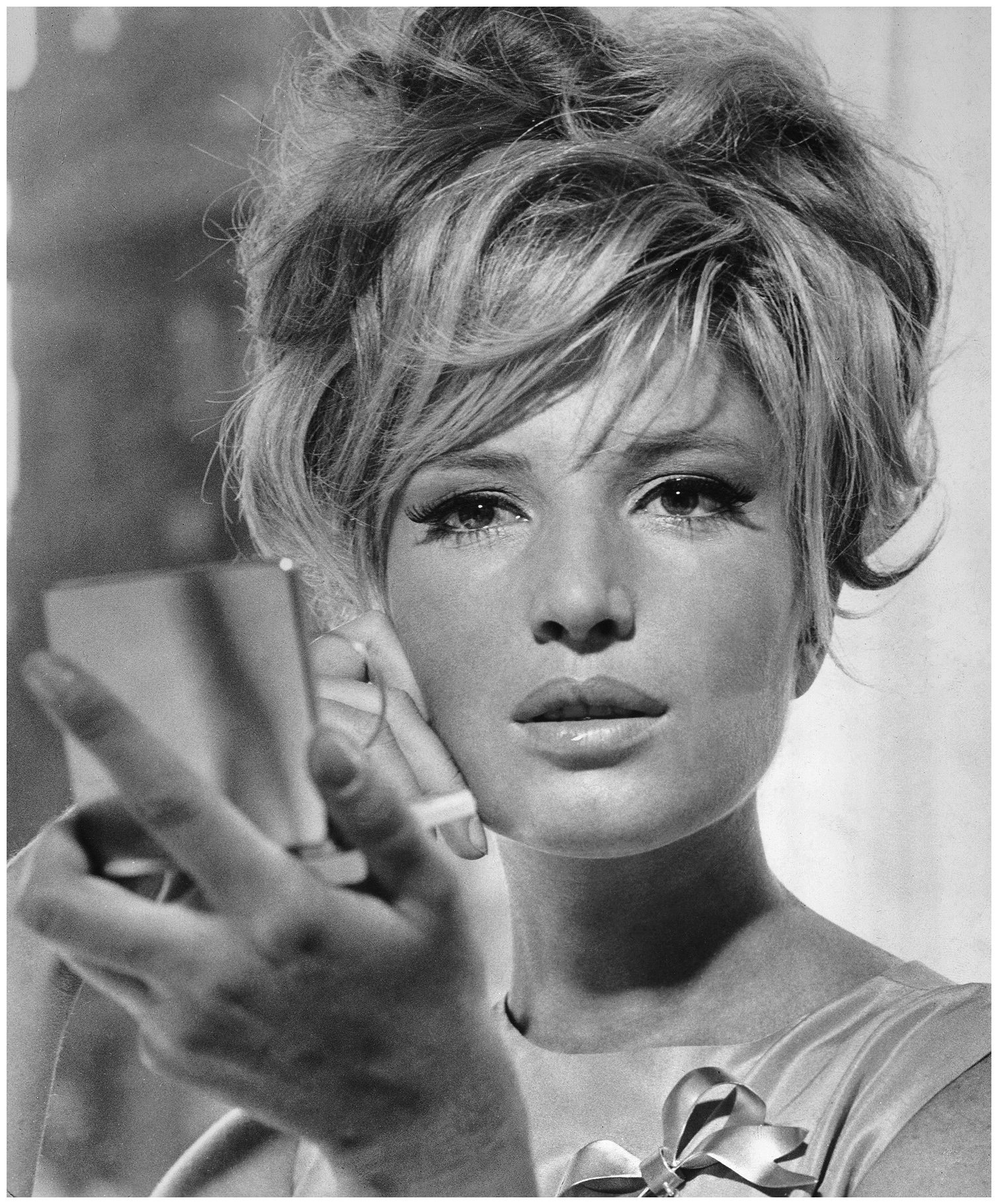
Main Character Energy: You're the Villain in Someone's Story
There is a particular kind of person who walks into a room and immediately begins cataloguing how the room is responding to them.
Main Character Energy: You're the Villain in Someone's Story
There is a particular kind of person who walks into a room and immediately begins cataloguing how the room is responding to them. They clock who looked up, who didn't, who smiled with their eyes versus who smiled with just their mouth. They are not anxious, exactly — they are *oriented*. The world is a stage and they are watching the audience watching them.
Psychology has a name for this: *egocentric bias*, the tendency to place oneself at the centre of events that are, in fact, indifferent to you. Most of us have it in small doses — it is partly how the brain conserves energy, filtering the world through the lens of self-relevance. But in some people it has calcified into something harder, a worldview rather than a cognitive shortcut. Everything that happens is *about* them. Every conversation is a scene they are starring in. Every silence from a friend is a commentary on their worth.
I have sat across from these people in my clinic. What strikes me, every time, is how exhausting they find life — not because they are self-absorbed, but because self-absorption at that intensity is genuinely relentless work. You cannot rest when you are both the protagonist and the audience. You cannot let a moment simply pass; you must interpret it, place it, file it in the archive of evidence about who you are and how you are perceived.
What drives it is almost never arrogance. What drives it, nearly always, is a wound so old the person cannot remember receiving it. Some childhood moment when the world made clear that their presence was conditional — that they had to *perform* existence in order to justify it. The main character complex is not narcissism, though it can shade into it. It is, at its roots, the most exhausting kind of insecurity: one that cannot afford to be seen.
The tell, in relationships, is this: they struggle to celebrate anyone else's news without steering back to their own. Not because they don't care — they often genuinely do — but because another person's moment triggers, somewhere in the system, a faint alarm. *What does this mean for me? Where do I fit in this story?* They will listen to your heartbreak and land, somehow, on a story about themselves. Not with malice. With compulsion.
If you love one of these people — and I have, and perhaps you have too — the maddening thing is that they are often also the most electric people in the room. The person who turns everything into narrative, who makes every dinner feel like a scene worth being in, who remembers exactly what you were wearing the night you met. That attentiveness is real. It's just that it is filtered, always, through their own reflection.
What actually helps them — in therapy, in relationships — is not being called out. It is being *witnessed* so completely that the performance stops being necessary. The main character complex dissolves, slowly, when someone looks at you long enough that you forget to check whether you're being looked at.
The uncomfortable truth, though, is this: if you find yourself endlessly drawn to these people, endlessly cast as supporting character in someone else's story, the question worth asking is not what is wrong with them. The question is what it is costing you to stay off-centre — and whether you have decided, somewhere quiet and old, that the lead role was never yours to take.