Swipe Left on All of It: The Algorithm Cannot Love You Back
There is a particular kind of exhaustion that doesn't show up on any blood test.
There is a particular kind of exhaustion that doesn't show up on any blood test. It lives somewhere between the third unmatched conversation of the evening and the moment you close the app, put your phone face-down on the bed, and stare at the ceiling with a feeling you can't quite name. Not loneliness, exactly. Something more corrosive than that. The sense that you have been performing desire for so long that you've forgotten what actual desire feels like.
Dating apps promised us abundance. What they delivered, for many people, was a kind of relentless audition — one where you are simultaneously the casting director and the hopeful waiting outside the door. The swiping mechanism itself is worth examining, because it was not designed by anyone who was thinking about love. It was designed by people who were thinking about engagement metrics. The variable reward schedule — swipe, maybe match, maybe not — is the same mechanism that makes slot machines so difficult to walk away from. We were handed a gambling addiction and told it was romance.
I see the aftermath of this in my clinic more than I once did. People who describe themselves as simultaneously exhausted by dating and terrified to stop, because stopping feels like giving up, and giving up feels like admitting something unbearable about their own desirability. The app has become the proof of concept. If someone swipes right, I am wanted. If no one does, I am not. That is not a dating strategy. That is handing your self-worth to a sorting algorithm and waiting for its verdict.
What Haevn is attempting — slower matching, more substance, less volume — touches something real. The idea that quality of connection might matter more than quantity of options is not revolutionary as psychology, but it is genuinely countercultural in a market built on the premise that more is always better. There is research to support the intuition: the paradox of choice, which Barry Schwartz articulated years ago, tells us that beyond a certain threshold, more options produce less satisfaction, more self-doubt, and more regret. We are worse at choosing when we have everything to choose from. The person who ordered from a menu of four is almost always happier with their meal than the person who spent forty minutes with the twelve-page laminated tome.
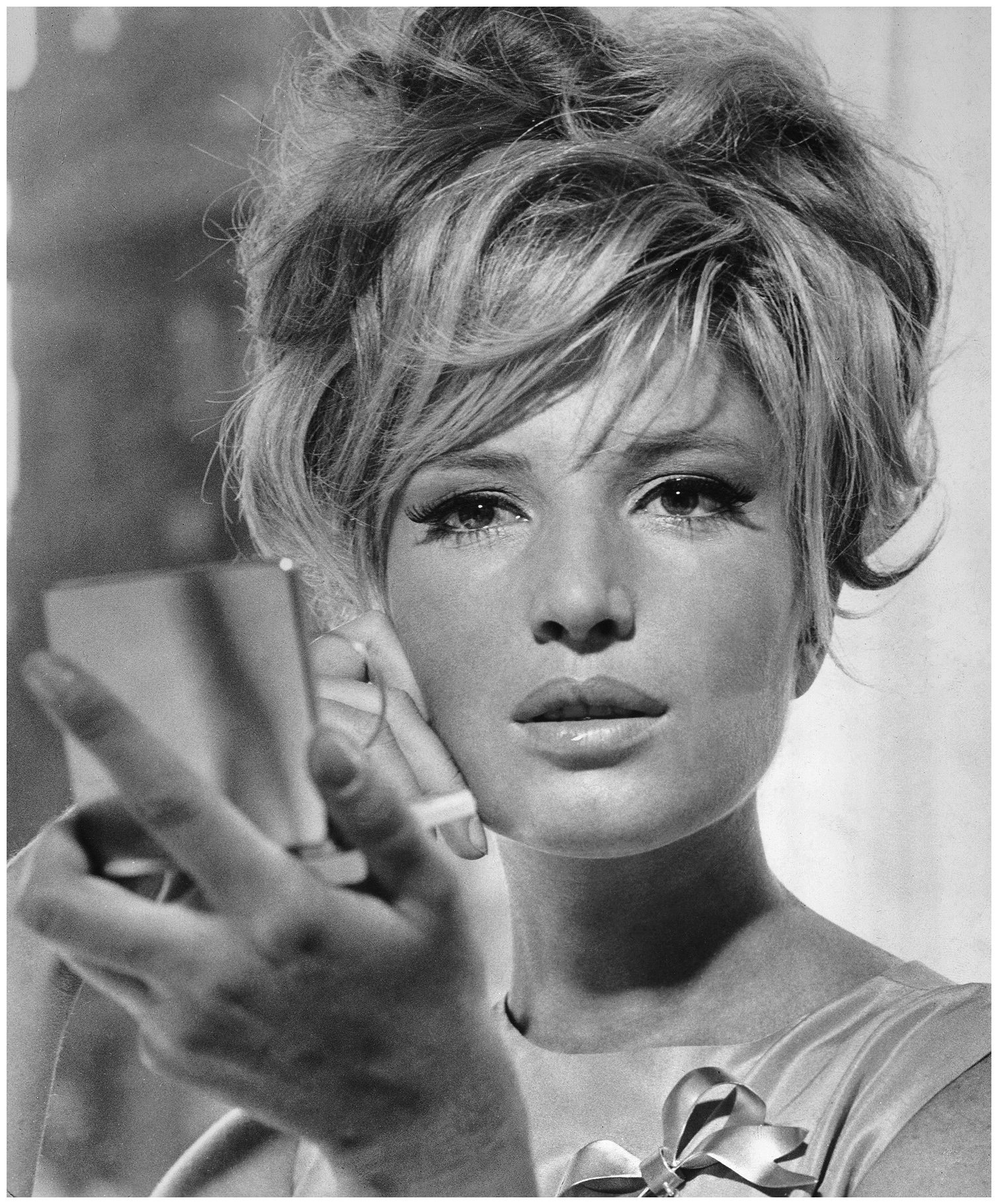
But here is where I'd press further, because the format of any app — however thoughtfully designed — still carries the logic of the marketplace. You are still a profile. You are still being assessed before you've spoken a word, before anyone has seen how you laugh or hold a glass or go quiet when something moves you. The image precedes the person. That is a structural problem no interface can fully solve.
What I tell the people who sit across from me, hollow-eyed from six months of swiping: the app did not fail you. It succeeded at exactly what it was built to do. The question is whether what it was built to do has anything to do with what you actually want.
Meeting someone in a way that allows you to be surprising — unexpected, unoptimised, not yet reducible to a bio and a set of curated photographs — is harder now than it has been in a long time. The infrastructure for accidental encounters has contracted. We have fewer third places, fewer long evenings in bars where strangers become known to each other by degrees, fewer moments where someone catches your eye across a room and something shifts before either of you has decided anything. We outsourced that to technology, and technology, efficient as it is, cannot replicate the specific electricity of the unplanned.
I am not arguing for romanticism over pragmatism. I have been pragmatic about love more than once in my life, and I have been romantic, and I can tell you the results were not predictable based on which mode I was operating in. What I am arguing for is self-awareness about what you are actually doing when you pick up the phone and open the app. Are you looking for someone? Or are you managing the anxiety of possibly never finding someone by creating the feeling of action? Because those are different activities, and only one of them is likely to end well.
The people I have watched find lasting connection — in life, not in theory — tend to share one quality. They were, at some point, willing to be genuinely available rather than strategically visible. Available means porous. It means letting something actually reach you. It means not running the assessment algorithm in your own head quite so fast, not deciding in the first thirty seconds whether this person is worth your continued attention.
The apps won't teach you that. They were designed to make you faster,