The Duvet Defence: Love Hides as Avoidance
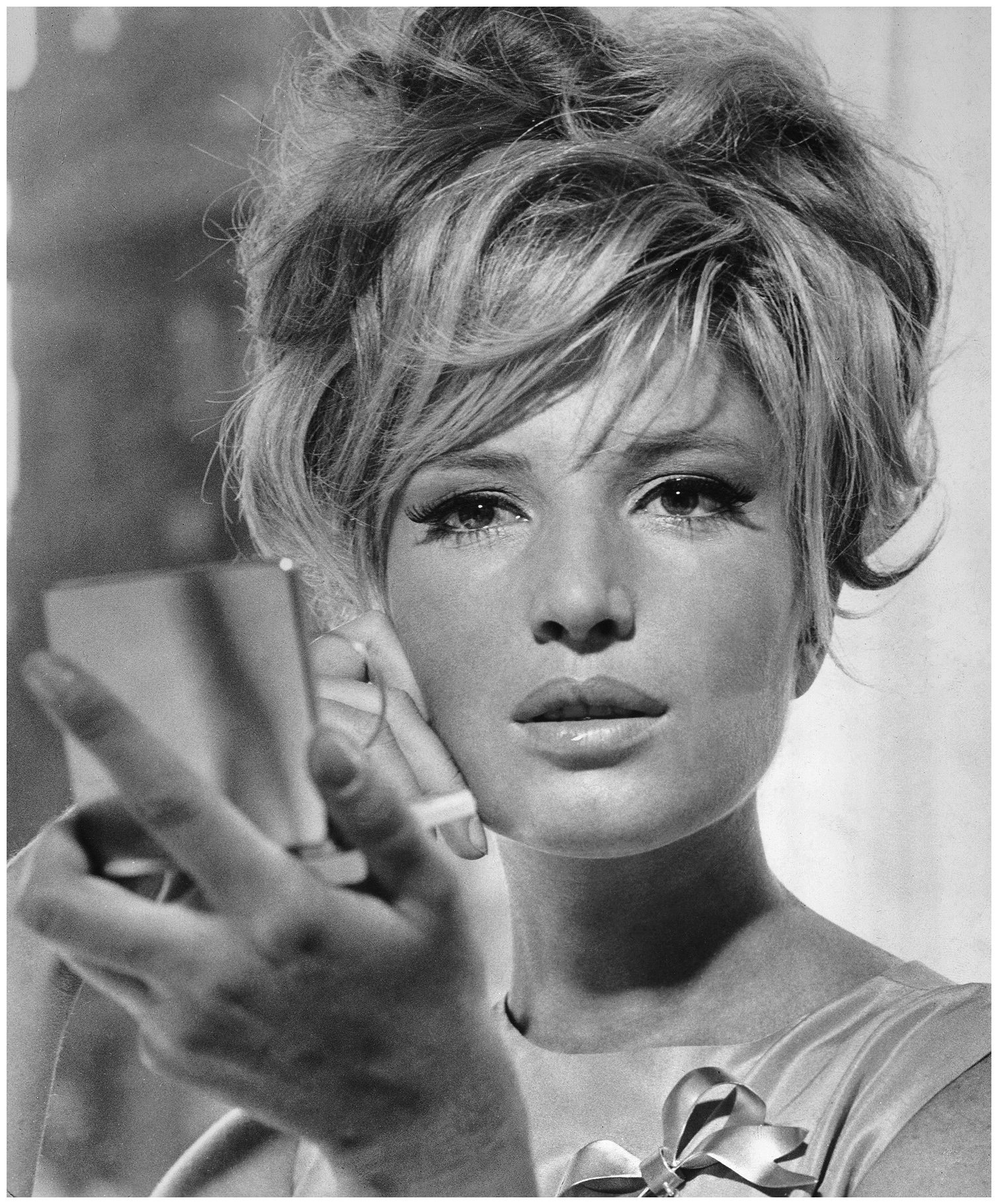
Petula Clark is 93 years old, still releasing work, still talking about the electricity between a performer and an audience as though it is oxygen rather than luxury.
The Duvet Defence: Love Hides as Avoidance
There is a particular kind of courage that looks, from the outside, like paralysis.
Petula Clark is 93 years old, still releasing work, still talking about the electricity between a performer and an audience as though it is oxygen rather than luxury. She said something in an interview that I keep turning over — that the connection between singer and listener is irreplaceable, that it cannot be manufactured, that something true has to pass between two people for the moment to mean anything. She was talking about AI and music. I found myself thinking about marriage.
Because here is the thing about Queen Camilla reportedly lying under her duvet on her wedding morning, reluctant to emerge, reportedly feeling a little broken — and I want to sit with that word, *broken*, for just a moment, before we decide what it means. The easy read is cold feet. The sympathetic read is the weight of public scrutiny on a woman who had been blamed, caricatured, reduced to a single narrative for decades. But the read I find most interesting, the one I recognize from my clinical work and from my own life, is this: she already knew. She had done the accounting. She understood, at the cellular level, what she was entering — the sacrifice, the exposure, the complicated inheritance of loving someone whose life belongs partly to the institution and partly to the public and only partly to you. She lay under the duvet not because she didn't know her own mind, but because she knew it completely.
We tend to pathologize hesitation before commitment. We call it fear of intimacy, cold feet, avoidance — and sometimes it is those things. But there is a species of pre-wedding stillness that is actually the opposite of avoidance. It is the last moment of solitude before the self expands to include another person permanently. It is the breath before the dive. The duvet is not a hiding place. It is a decompression chamber.
I have sat across from people in my clinic who described this same sensation — not on wedding mornings necessarily, but at the threshold of any serious emotional commitment. The ones who worried me were not the ones who paused. They were the ones who felt nothing. The ones who walked toward the altar or the conversation or the decision with complete ease, because they had never truly considered what they were walking toward. Feeling the weight of something is not a red flag. It is evidence that you understand the stakes.
This is not the same as saying that every duvet moment is healthy or that all hesitation is wisdom. Sometimes people lie under the duvet because they are about to make a catastrophic mistake and their body knows it before their mind does. The skill — and it is a skill, not an instinct — is learning to tell the difference between fear that is protecting you and fear that is simply fear. Between the nervous system registering danger and the nervous system registering significance.
Anxious attachment — the pattern where closeness itself feels threatening, where the approach of intimacy triggers the same alarm as its withdrawal — produces its own version of the duvet moment. But it tends to be recursive. It comes back. It doesn't resolve at the doorstep. If the hesitation is attachment-based, there will be another duvet, another threshold, another reason to pause — because the pause is not about the commitment itself, but about the terror of needing someone. That kind of fear doesn't dissolve when you say yes. It relocates.
The hesitation that moves me — the one that I think Petula Clark was gesturing toward when she talked about something real needing to pass between two people — is the hesitation that says: *I understand what I am about to give, and I am choosing to give it anyway.* That is not broken. That is the most intact a person can be.
The lie we tell ourselves before commitment is not "I'm not sure." The lie is "I'll be sure later." You won't. The certainty doesn't arrive before the decision. It arrives inside it.