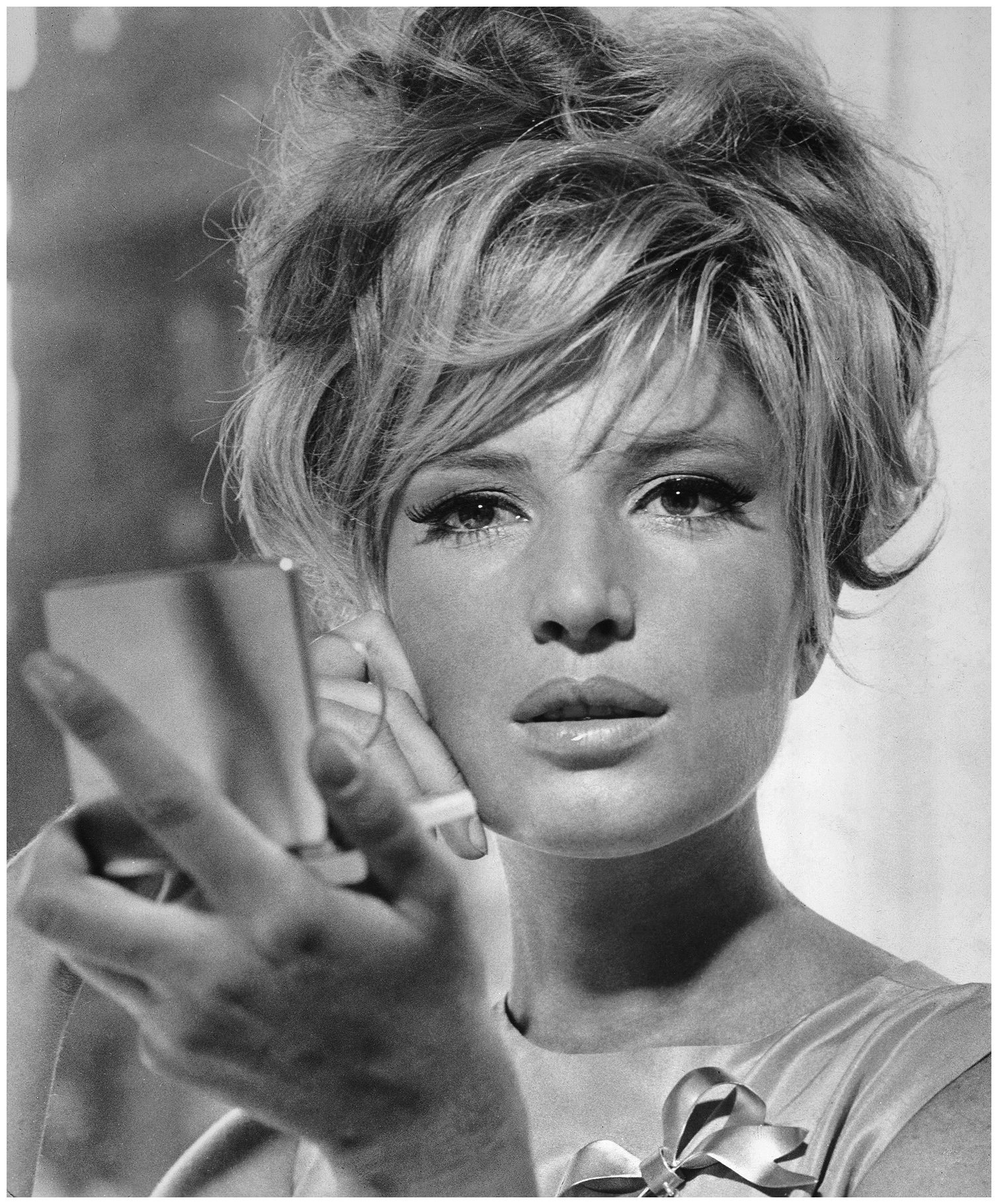
The Main Character Trap: You've Been Cast Wrong
By Elena Vella | Love, Life & Relationships --- There is a particular kind of person who walks into a room and immediately begins narrating it.
By Elena Vella | Love, Life & Relationships
---
There is a particular kind of person who walks into a room and immediately begins narrating it. Not out loud — they're not that obvious. But you can feel it. The slight pause before they speak, as if waiting for a camera to find them. The way they position themselves at the centre of every story they tell, even the ones where they were technically a bystander. The way an apology, in their mouth, somehow becomes a monologue about their own complexity.
I have sat across from these people in my clinic. I have also, I will admit, been briefly in love with one of them.
There is genuine psychological architecture behind this pattern. What we call narcissistic presentation on the spectrum — not clinical narcissism, which is rarer and harder to treat, but the everyday variety — is almost always rooted in what attachment theorists call a fragile core self. The person who cannot stop performing the lead role is usually the person who, somewhere early and formatively, was not seen unless they performed. The applause became oxygen. The audience became proof of existence. And love, for them, is not a mutual thing — it is a venue.
This is seductive at first. Genuinely seductive. The main-character person is usually charismatic, usually quick, usually better at the beginning of a relationship than anyone you have ever met. They are extraordinary at the opening act. They read you, they mirror you, they make you feel like the only person in the room — which is ironic, because the only person they are ever truly watching is themselves. What you are experiencing is not intimacy. It is the reflection they are offering you of your own best qualities, which feels like being loved but is actually being used as a mirror. When you stop reflecting them back accurately — when you have a bad week, when your neediness exceeds theirs, when you become complicated — the warmth tends to withdraw like a tide.
I knew a woman — I will call her M, which is not her initial — who spent four years with someone like this. He was a creative, genuinely talented, and entirely convinced that the universe had a particular interest in his trajectory. She told me, in our second session, that she had once come home from a hospital appointment — nothing serious, but frightening enough to rattle her — and spent the evening listening to him process his anxiety about a pitch meeting. She had not told him about the appointment. She already knew it would become about him.
What strikes me, sitting with that story, is not his behaviour. It is hers. Because M was not passive, or simple, or without self-knowledge. She was a highly intelligent woman who had learned — as so many of us learn, early, in families where we were not quite the main character either — that her emotional needs were somehow less urgent, less interesting, less worthy of airtime than someone else's. He didn't create that belief. He just confirmed it, beautifully, for years.
This is the part that astrology — which I use as a metaphor, not a methodology — actually captures well when it talks about the signs most drawn to performance, to visibility, to being the axis of every room. The pull toward someone who takes up that much space is not accidental. It tells you something about your own relationship to visibility. About whether you believe, at the substrate level, that you are interesting enough to be a main character in your own life.
Because here is what I have noticed, in therapy and in living: the people most magnetically drawn to high-performance personalities are almost always people who have quietly given up the lead role for themselves. They become excellent supporting characters — perceptive, generous, emotionally attuned — and then they wonder why they feel invisible inside relationships that, from the outside, look like they should be enough.
The question worth sitting with is not *why did I fall for someone like that.* The question is *what was I avoiding by making someone else the story.*
The uncomfortable truth is this: being the supporting character in someone else's narrative is not love. It is a very sophisticated way of not having to show up fully yourself — because if the spotlight is always on them, it never lands on you, and you never have to find out whether you can bear being seen.
---
*Elena Vella is a licensed relationship and family therapist and Love, Life & Relationships Editor at News Beast by FreeMalta.com.*