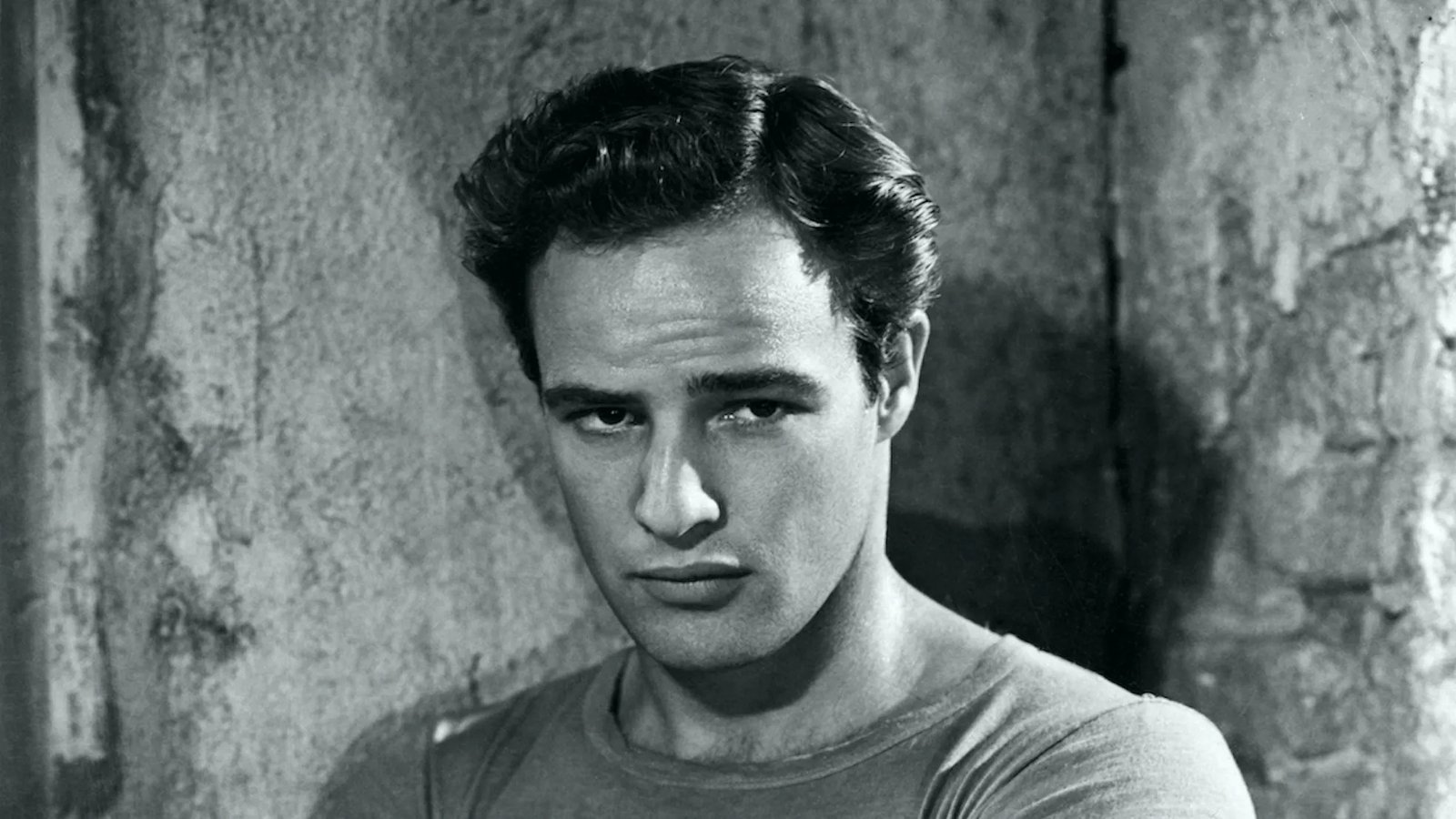
Lydon Beqqu Fights: Malta Punches Above Its Weight
Lydon Beqqu will climb through the ropes on Anthony Joshua's undercard, and for a small island that has spent most of its recent weeks arguing about power cuts and restaurant abuse, that is worth pausing on.
Lydon Beqqu will climb through the ropes on Anthony Joshua's undercard, and for a small island that has spent most of its recent weeks arguing about power cuts and restaurant abuse, that is worth pausing on.
Malta has produced fighters before — men who carried the flag into arenas far larger than anything this archipelago could fill — but the Joshua card is a different kind of platform. It is broadcast to millions. Beqqu's name will be spoken by commentators who have never once thought about where Malta sits on a map. That is not a small thing.
It lands on the same morning that the Yorgen Fenech trial continues its slow, grinding march through the courts, with more witnesses queued to testify in a case that has already consumed years of this country's judicial energy. The contrast is almost too neat: one Maltese name fighting for visibility on the world stage, another Maltese name that the world already knows for entirely different reasons.
Then there is the Abela government's new Labour CEO, who has announced that distribution of wealth will be the party's key priority. I have been hearing this particular phrase since before this CEO was politically relevant. What I have learned in four decades is that when a party in power declares wealth distribution its mission, it usually means one of two things: an election is close, or the inequality has become too visible to ignore. With 2026 already underway, both are true.
PN's Rebekah Borg said something more direct: there is no plan for this country. She was speaking specifically about the planning system, which has operated less like a regulatory body and more like a rubber stamp with occasional hesitation. I think she is right, and I think she knows the problem runs deeper than any single minister's desk. The cranes did not appear by accident. They appeared because a system allowed them to, incentivised them, and then looked away when the neighbourhood changed.
Meanwhile, NGOs and marine companies are calling for an end to harassment of wild dolphins in Maltese waters. This story gets filed somewhere between environment and lifestyle, and then forgotten. It should not be. The dolphins are not a novelty. They are a population indicator. When recreational users harass them into avoidance patterns, the ecosystem shifts quietly, and nobody notices until the absence is permanent.
My prediction: the planning overhaul Rebekah Borg is calling for will remain a talking point through the election and die quietly in the first parliamentary session afterwards, regardless of who wins. The structural incentives do not change with the government. They change with the legislation, and legislation requires courage the building industry does not reward.
Beqqu's fight is tonight. Whatever happens in that ring, he gets back up.