Gabriel Fenech
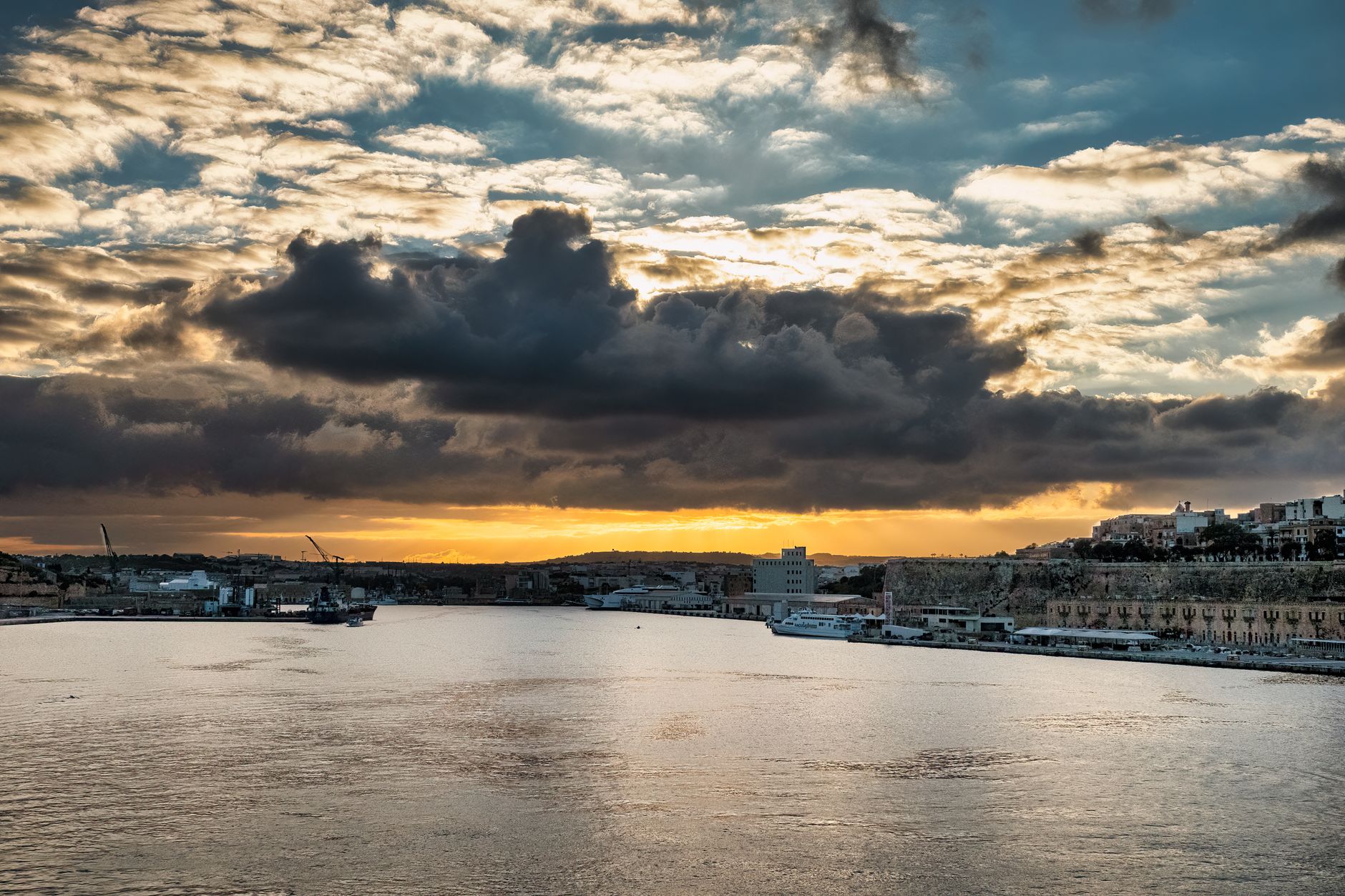
Gabriel Fenech has given forty years to Malta. He has watched ten governments form and collapse, walked every street in Valletta before and after every scandal, and dined with men who are now in prison, in power, or buried in Addolorata cemetery. He quotes García Márquez, Orhan Pamuk, Camus, and Rousseau — not to sound intellectual, but because they taught him how to see. He was born in Cospicua in 1961, the son of a dockworker and a schoolteacher. He studied literature in Rome and came back, as he always does. He has been offered positions in Brussels, in London, in Tunis. He has always stayed. Something about Malta holds him — the weight of the stones, the smell of the sea, the particular quality of its light after rain. He has never found adequate words for it. He has spent forty years trying. He is, in the tradition of Fatih Altaylı, ravenously curious: he reads everything, watches everything, finds everything interesting. Politics, history, archaeology, the price of fish in Marsaxlokk, the graffiti under the Valletta bastions. He does not perform this curiosity. It is simply how he is wired. There is something he has never written. A story he could have broken that would have changed things. He chose not to. He has never explained why, not even to himself. This decision lives in him like a stone in still water. He was married once. It ended quietly. He has a daughter he sees on Sundays. She has his eyes and her mother's patience, which means considerably more patience than he has ever managed.