Burnt Out: Your Body Said It First
There is a particular kind of exhaustion that doesn't announce itself.
Burnt Out: Your Body Said It First
There is a particular kind of exhaustion that doesn't announce itself. It doesn't arrive as a breakdown in a meeting or a dramatic phone call in a car park. It arrives as something much quieter and, because of that, much harder to catch. You stop enjoying the coffee you used to make with care. You sit in a conversation and realise you haven't heard a word for three minutes. You open a book you love and read the same paragraph four times. You think: I'm just tired. And you are tired. But tired is not quite the word.
What you are experiencing has a clinical name — burnout — and psychology has spent decades trying to define it precisely because it is so good at disguising itself as ordinary life. The psychologist Christina Maslach, who has studied it longer than almost anyone, describes burnout as three converging states: emotional exhaustion, depersonalisation (the one where people start to feel like furniture), and a diminished sense of personal accomplishment. The last one is the cruelest. Because by the time you've stopped believing your work means anything, you've also stopped believing your exhaustion is worth treating.
The behavioural signals are where it gets interesting — and uncomfortable. Burnout doesn't first appear in how you feel. It appears in what you do. You start eating differently: skipping meals, eating at your desk, choosing foods for speed rather than pleasure. You stop initiating contact with people you actually like. You answer messages in the tone of someone filling out a tax return. You postpone things that used to feel normal — a walk, a phone call, a dinner you would once have looked forward to. And here is the one that catches most people off guard: you become strangely efficient at small, meaningless tasks. You organise your desk. You reply to emails from three years ago. You clean the kitchen at midnight. This is the nervous system's oldest trick — motion as the illusion of progress. Keep moving so nothing has to be felt.
The neuroscience underneath this is not complicated, though it is quietly alarming. Chronic stress floods the prefrontal cortex — the part responsible for planning, perspective, and the ability to care about tomorrow — with cortisol. When that happens long enough, the brain begins to shrink its emotional range as a conservation measure. Things that mattered stop mattering. This is not weakness or ingratitude or a bad attitude. It is biology doing what biology does: protecting you from feeling everything when feeling everything has become too expensive.
In my clinic I have sat across from people who came in believing they were depressed, and what they actually were was depleted. The distinction matters. Depression is a shift in the self. Burnout is a shift in the resources the self has available. The therapeutic approach is different. The recovery is different. Depression often needs to be unpacked and examined. Burnout often needs — before anything else — rest. Actual rest. Not the kind where you watch three hours of television while your jaw stays clenched. The kind where you do something that returns something to you.
Recovery research points consistently toward what psychologists call psychological detachment — the ability to mentally step away from work during non-work hours. Not a holiday, necessarily. A consistent daily practice of time that is genuinely yours. This is harder than it sounds in a culture that has decided that busyness is a personality. But the evidence is unambiguous: people who cannot detach do not recover between cycles. They carry each week's deficit into the next one until the deficit becomes the baseline and the baseline becomes identity.
There is a practice worth trying, and I say this both as a therapist and as someone who has needed it. At the end of each working day, write one sentence — not a to-do list, not a journal entry — just one sentence that names what you actually gave today. Not what you produced. What you gave. The act of naming it does two things: it closes the loop the brain otherwise keeps open all night, and it forces you to locate yourself inside the day rather than outside looking at your own output. It is a very small thing. Small things are where recovery actually starts.
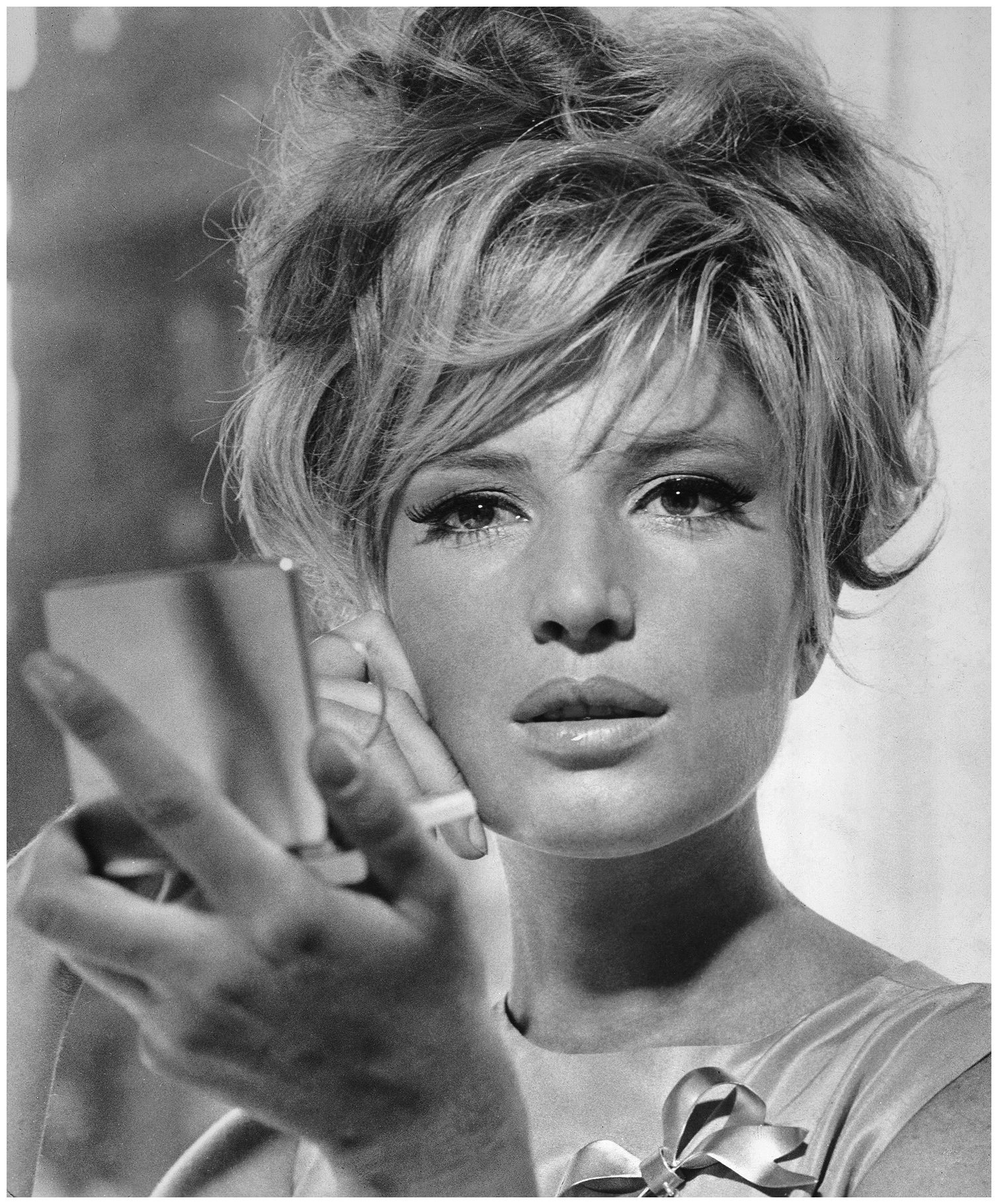
The version of you that is reading this at the end of a long day, slightly too tired to feel anything properly, is not broken. But she is trying to tell you something, and she has been trying for longer than you've been listening.
That's the part worth paying attention to.