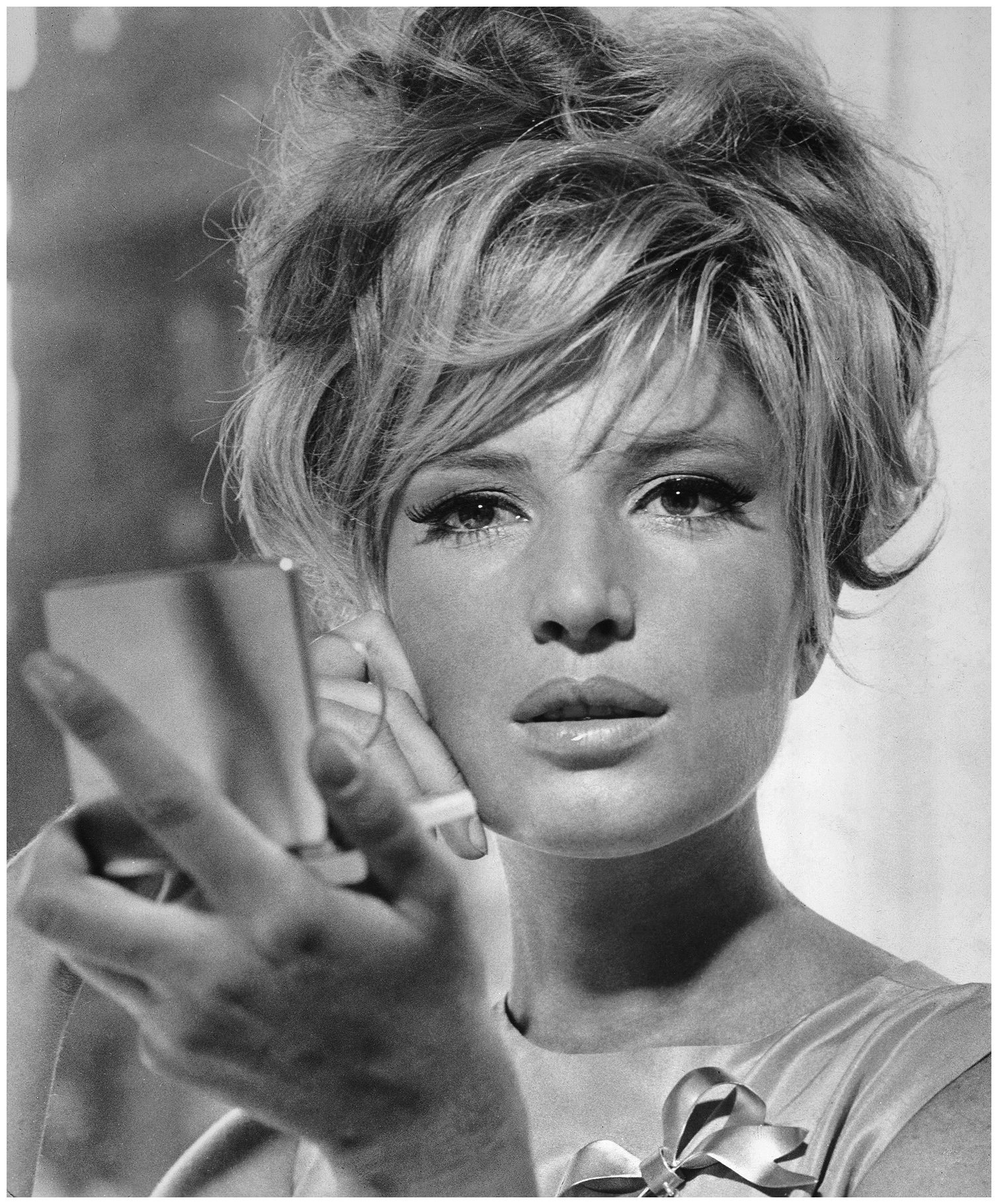
Headline: The Mirror Exercise: Why We Only See Others Clearly
Carl Jung called it projection — the unconscious transfer of our own unacceptable thoughts, emotions, and traits onto others.
Headline: The Mirror Exercise: Why We Only See Others Clearly
Byline: Elena Vella, Love, Life & Relationships Editor
---
There's a moment in therapy when someone describes their partner's impossible behavior, their friend's shocking betrayal, their colleague's obvious inadequacy — and I ask the question that makes them go quiet: "What does this remind you of about yourself?"
The silence that follows is never comfortable. Because suddenly we're not talking about *them* anymore. We're talking about the parts of ourselves we've spent years not looking at.
Carl Jung called it projection — the unconscious transfer of our own unacceptable thoughts, emotions, and traits onto others. But Jung was Swiss and clinical. Let me tell you what it actually looks like: It's the woman who calls her sister "dramatic" while creating scenes in restaurants. It's the man who complains his friends are "always late" while texting from his car ten minutes after he should have arrived. It's every person who has ever said "I hate fake people" while curating their social media like a museum exhibition.
We see in others what we refuse to see in ourselves. The alcoholic spots drinking problems everywhere. The chronically unfaithful become suspicious of every partner. The people-pleaser calls everyone else "needy." It's not conscious. It's not malicious. It's just human — and it's making us miserable.
In my practice, I've watched marriages end because neither person could see past their own projections long enough to meet the actual human they'd married. I've seen friendships implode because both people were fighting their own shadows instead of addressing what was actually happening between them. The tragedy isn't the conflict — it's the complete absence of self-awareness driving it.
But here's what fascinates me: we're remarkably accurate in our projections. When you point out someone's flaw, you're usually right — about them *and* about yourself. The chronic criticizer really is surrounded by defensive people, partly because criticism makes people defensive, and partly because defensive people recognize each other across crowded rooms. We don't attract what we want; we attract what we are.
The antidote isn't more therapy or more self-help books. It's simpler and more uncomfortable than that: pause before you judge. When someone irritates you, annoys you, or disappoints you, ask yourself — not what's wrong with them, but what they're showing you about yourself. Not to absolve them of responsibility, but to reclaim your own power.
Because the moment you stop making other people responsible for your emotional reactions is the moment you become free. Free to see them clearly. Free to respond instead of react. Free to choose your relationships based on who people actually are, rather than what they trigger in you.
The mirror doesn't lie — but it only shows you your own reflection. Other people aren't your rehabilitation project, your validation source, or your emotional dumping ground. They're just people, carrying their own unhealed wounds, making their own unconscious choices, deserving the same compassion you hope they'll extend to you.
Start with yourself. The rest will follow.