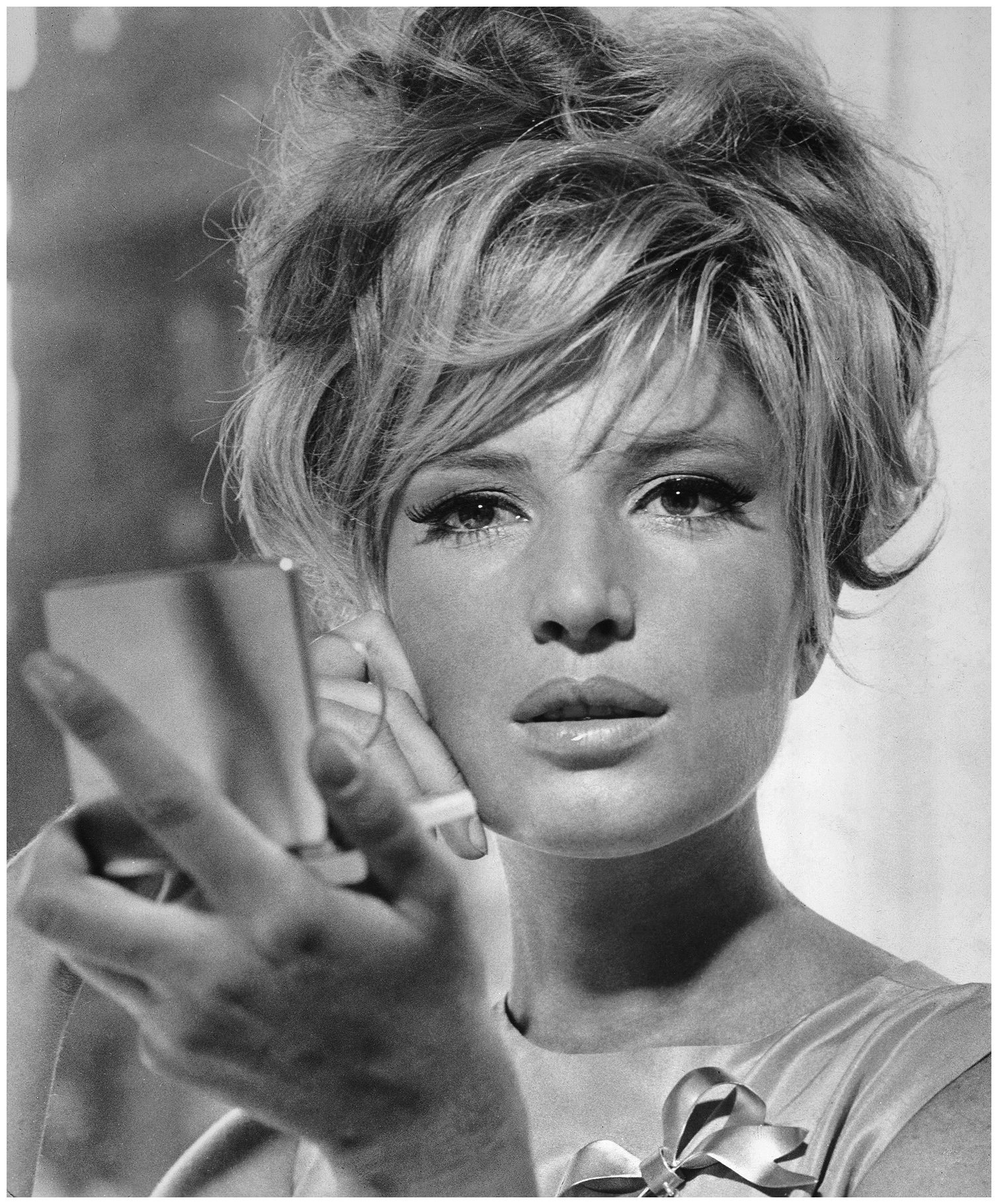
Mind Bodies: Why Your Physical Habits Reveal Your Emotional Truth
The woman who scratches her wedding ring when she talks about her husband.
Mind Bodies: Why Your Physical Habits Reveal Your Emotional Truth
I watch people fidget in my clinic. The woman who scratches her wedding ring when she talks about her husband. The man who bounces his leg only when discussing his mother. The teenager who picks at her cuticles every time we approach the subject of university applications. Bodies don't lie — even when minds try to.
Physical habits are emotional tells. Not the obvious ones everyone knows — crossed arms meaning defensiveness, forced smiles meaning discomfort. The subtle ones. The private rituals we perform when we think nobody's watching.
Consider the person who must have their morning coffee in a specific cup, brewed to exact specifications, consumed in silence. This isn't about caffeine addiction — it's about control in a life that feels chaotic elsewhere. The ritual creates a pocket of predictability in an unpredictable world. When everything else shifts, the coffee remains constant.
Or the compulsive phone checker. Every notification answered within seconds, every message read immediately. This isn't efficiency — it's anxiety masquerading as productivity. The phone becomes a security blanket, the constant connection a way to avoid being alone with their own thoughts.
Then there's the chronic tidier. Not the person who keeps a clean house — the person who straightens magazines nobody reads, arranges shoes nobody sees, wipes counters already clean. They're not tidying their space — they're trying to tidy their mind. When internal chaos feels unmanageable, controlling the external environment becomes a form of emotional regulation.
Physical habits reveal what we're avoiding feeling. The nail biter isn't destroying their manicure — they're redirecting anxiety into something manageable. The hair twirler isn't being vain — they're self-soothing. The pen clicker isn't being disruptive — they're channeling nervous energy.
Your body keeps score of what your mind refuses to acknowledge. That tension in your shoulders isn't from your desk setup — it's from carrying responsibilities that aren't truly yours. The headaches that appear Sunday evening aren't from dehydration — they're your nervous system's response to returning to a job that slowly kills your spirit. The insomnia that strikes when life is supposedly "going well" isn't random — it's your body processing stress you've intellectualised away.
We think consciousness sits in our heads, making rational decisions. But most of our behaviour originates in our nervous system — the part that decides fight or flight before our rational mind even registers the threat. Your morning routine, your work habits, your weekend rituals — they're all unconscious attempts to regulate emotions you might not even recognise you're having.
The most honest people I know are often the most physically uncomfortable. They haven't learned to numb their emotional responses, so their bodies constantly signal what they're actually feeling. The dishonest ones have become so skilled at emotional suppression that their bodies barely react to anything — until the suppression fails spectacularly.
Pay attention to what your body is doing when you're not thinking about it. Notice when you hold your breath, clench your jaw, tap your fingers. These aren't random movements — they're your nervous system trying to communicate what your conscious mind won't acknowledge.
Your physical habits aren't character flaws to eliminate — they're information to decode. The question isn't how to stop fidgeting — it's what the fidgeting is telling you about what you actually need.