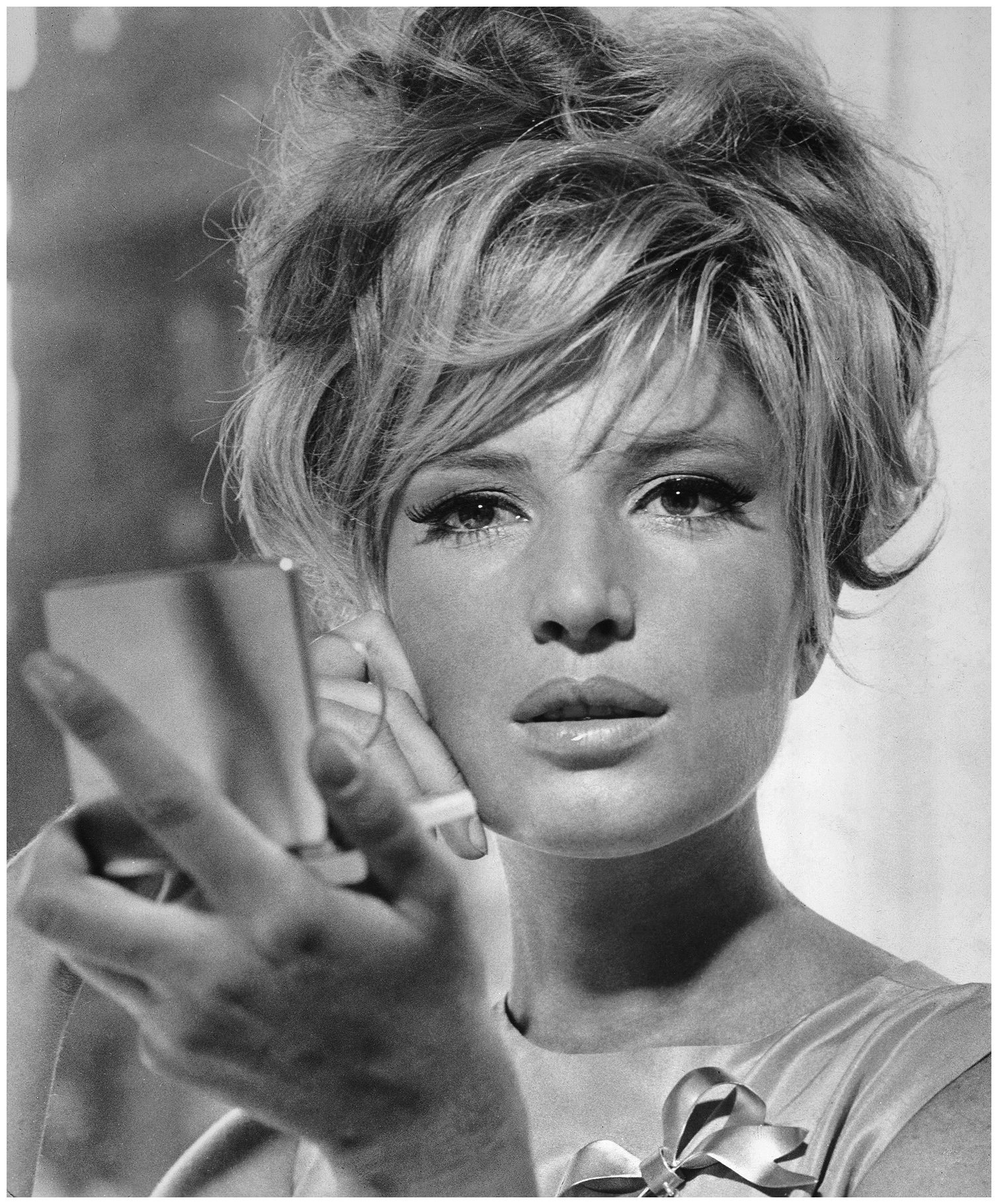
Performed Rest: Your Brain Refused to Clock Out
There is a study that should make every high-functioning, perpetually exhausted person put down their phone and sit with the discomfort of being seen.
Performed Rest: Your Brain Refused to Clock Out
There is a study that should make every high-functioning, perpetually exhausted person put down their phone and sit with the discomfort of being seen. Research from Software Finder found that a significant portion of workers — Generation Z leading the numbers — continue performing the visual theatre of productivity long after their actual work is done. Screens open, posture attentive, the appearance of industry maintained like a stage set after the audience has gone home. We have spent considerable time judging this as laziness dressed up as diligence. But I think we have been looking at the wrong thing entirely.
What the research is actually describing is not a work ethic problem. It is a nervous system problem. It is what happens when a person has spent so long in environments where rest was unsafe — where stopping meant being perceived as less, as insufficient, as the weakest link — that the body no longer knows how to stop performing even when nobody is watching. The work ends. The performance continues. And somewhere underneath all of that busyness-shaped stillness, the mind is running hot and getting nowhere.
Psychologists call it *hypervigilance*, though most people experience it simply as the inability to fully land anywhere. You finish the task and immediately reach for the next one — or, if there is no next one, you manufacture the feeling of busyness through scrolling, reorganising, refreshing. The stillness feels dangerous. Not because anything bad is actually happening, but because your nervous system was trained somewhere along the way to read stillness as threat.
I see this in my clinic with a particular kind of person — competent, self-aware, genuinely productive, and completely unable to rest in a way that actually restores them. They take holidays and come back more tired. They sleep but wake unrefreshed. They sit in the sun with a glass of something cold and cannot stop their mind from drafting tomorrow's emails. They think the problem is that they need a better holiday. The actual problem is that rest, real rest, feels like exposure. When you are not doing, what are you? They have never quite found out, and they are not sure they want to.
The psychological term for what they are avoiding is *identity diffusion* — the uncomfortable blankness that appears when you strip away the role. For the chronically busy, the role is the scaffolding. Remove it and the walls feel uncertain. So instead of resting, they perform rest in the same way the Software Finder workers performed work — present in body, absent in spirit, maintaining the shape of the thing without the substance.
The fix is not another productivity hack or a ten-step morning routine. Those are just more performance. The fix is something far less comfortable: deliberate, unproductive stillness. Not meditation if meditation is just another item on your self-improvement list. Actual purposelessness. Sitting with a coffee without documenting it. Walking without tracking it. Lying on the floor of your apartment in Sliema or your courtyard in a quiet village and letting yourself be completely, uselessly present. The brain needs it the way a muscle needs to be released after contraction — not to stop working, but to work differently.
What your restless mind is protecting you from is usually not what you think. It is rarely about the work. It is about the question underneath the work — the one that surfaces the moment you stop. And the answer to that question, when you finally sit still long enough to hear it, is almost never as frightening as the noise you made to avoid it.
The most exhausting thing you will do this week is not the work. It is convincing yourself that you need to be doing something in order to deserve the rest that would actually help you.