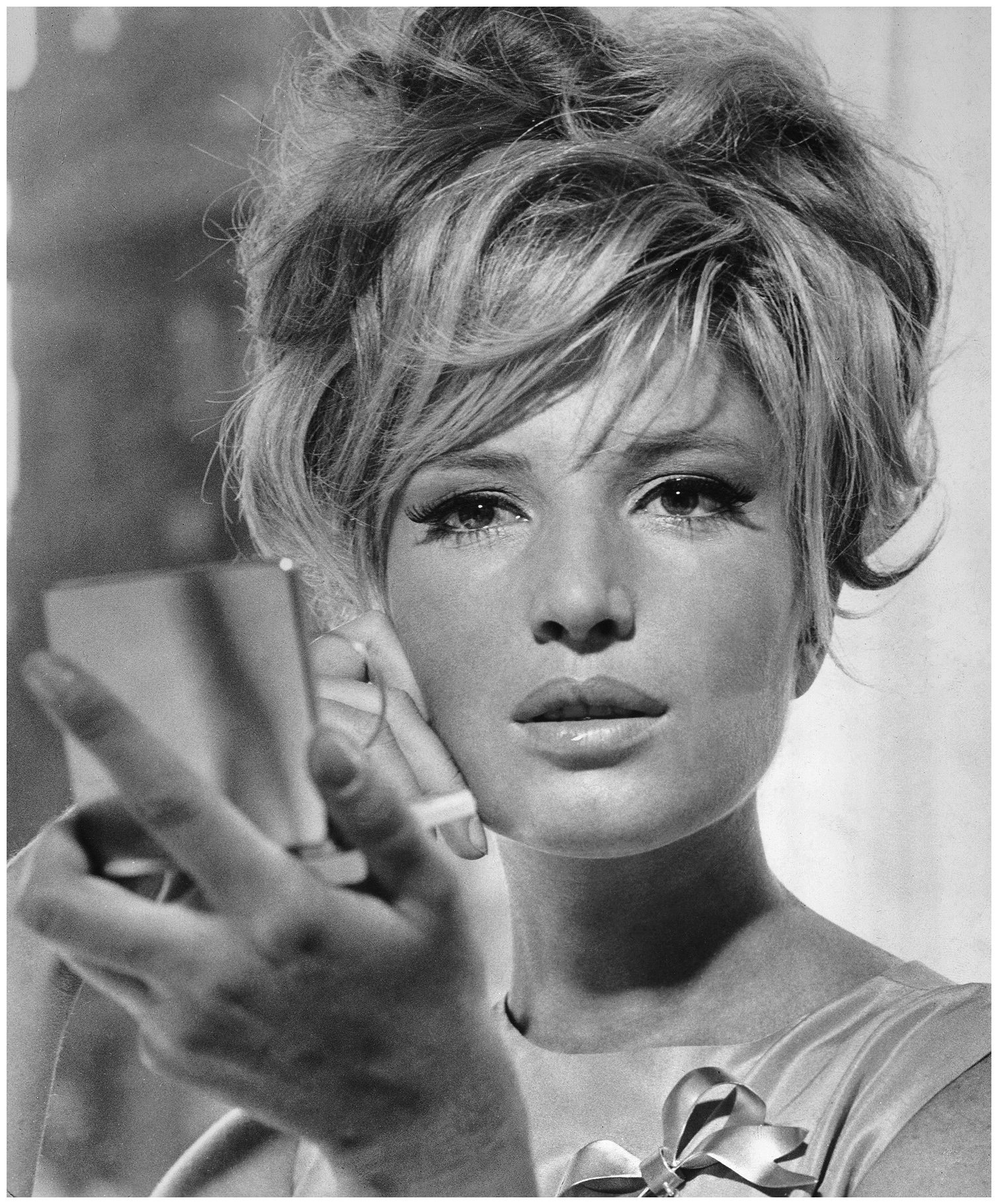
Private Searches: The Questions You Ask When No One's Watching
There is a version of you that exists online — curated, confident, coherent.
There is a version of you that exists online — curated, confident, coherent. The version that posts the holiday photo, shares the promotion, captions the sunset. That version is not lying, exactly. It is simply performing. And performance, even authentic performance, requires an audience. What happens when the audience leaves?
Google knows.
A data editor at Google once described the company's search data as the largest dataset of uninhibited human thought ever assembled. Not what people say they think. Not what they tell their therapists, their partners, their friends. What they actually type, alone, at eleven at night, when the social contract is temporarily suspended and something raw and honest surfaces. The searches break predictably into three territories: *am I normal*, *does anyone else feel this*, and *what is the point*.
What is interesting is not the questions themselves. It is the gap between them and everything else we share.
The psychology behind this gap has a formal name — self-presentation theory, first mapped by Erving Goffman in the 1950s — but you do not need a textbook to recognise it. You already know it. You know the difference between the self you perform at a dinner party and the self that drives home in silence afterward wondering if any of it means anything. Both are real. But we have built an entire digital civilisation around the first self, and the second one has nowhere to go except a blank search bar.
What Goffman understood, and what the Google data confirms fifty years later, is that impression management is not vanity. It is survival. The social self — the one that performs competence, contentment, belonging — is doing genuine and necessary work. But that work is metabolically expensive. The self-monitoring required to maintain a coherent public identity draws from a limited reservoir. When that reservoir is low, when you are tired, when the house is quiet, the monitoring slips. And what emerges is not the worst of you. It is simply the unedited version.
The problem we have now is structural. Social media has collapsed the distinction between public and private space in ways we are still metabolising. There used to be rooms — physical, temporal rooms — where you were allowed to be unobserved, unperforming, uncertain. Those rooms are smaller now. The phone is always there. The audience is never fully gone. And so the unedited self has been progressively compressed into fewer and fewer outlets. The search bar is one of the last honest ones.
In the clinic I see this compression all the time. People arrive having maintained the performance for so long that they have partially lost access to the unedited version. They can tell me about their life — fluently, chronologically, quite impressively — but when I ask *what do you actually want*, there is a pause that has nothing theatrical in it. It is a genuine pause. The question has not been asked in a while. The answer is somewhere in the compressed space, trying to find its way out.
What helps — and this is real, clinical, unglamorous advice — is deliberate unwitnessing. Not meditation, not journalling necessarily, not any ritual that could itself become a performance. Simply periods of time when you are genuinely not visible to anyone, including yourself. No phone. No mirror. No audience, real or imagined. The research on this is consistent: people who maintain regular unwitnessed time report higher clarity about their values, lower baseline anxiety, and — this part surprises people — more authentic connection with others. Because you cannot genuinely meet another person if your primary energy is going toward managing how they see you.
The searches you make at eleven at night are not embarrassing. They are the sound of the actual self surfacing for air.
The uncomfortable truth is this: if you only know what you want when no one is watching, it is worth asking who you have been performing for — and whether they have even noticed.