Built From Nothing: Ordinary Businesses Still Make Millionaires
Google just committed $15.
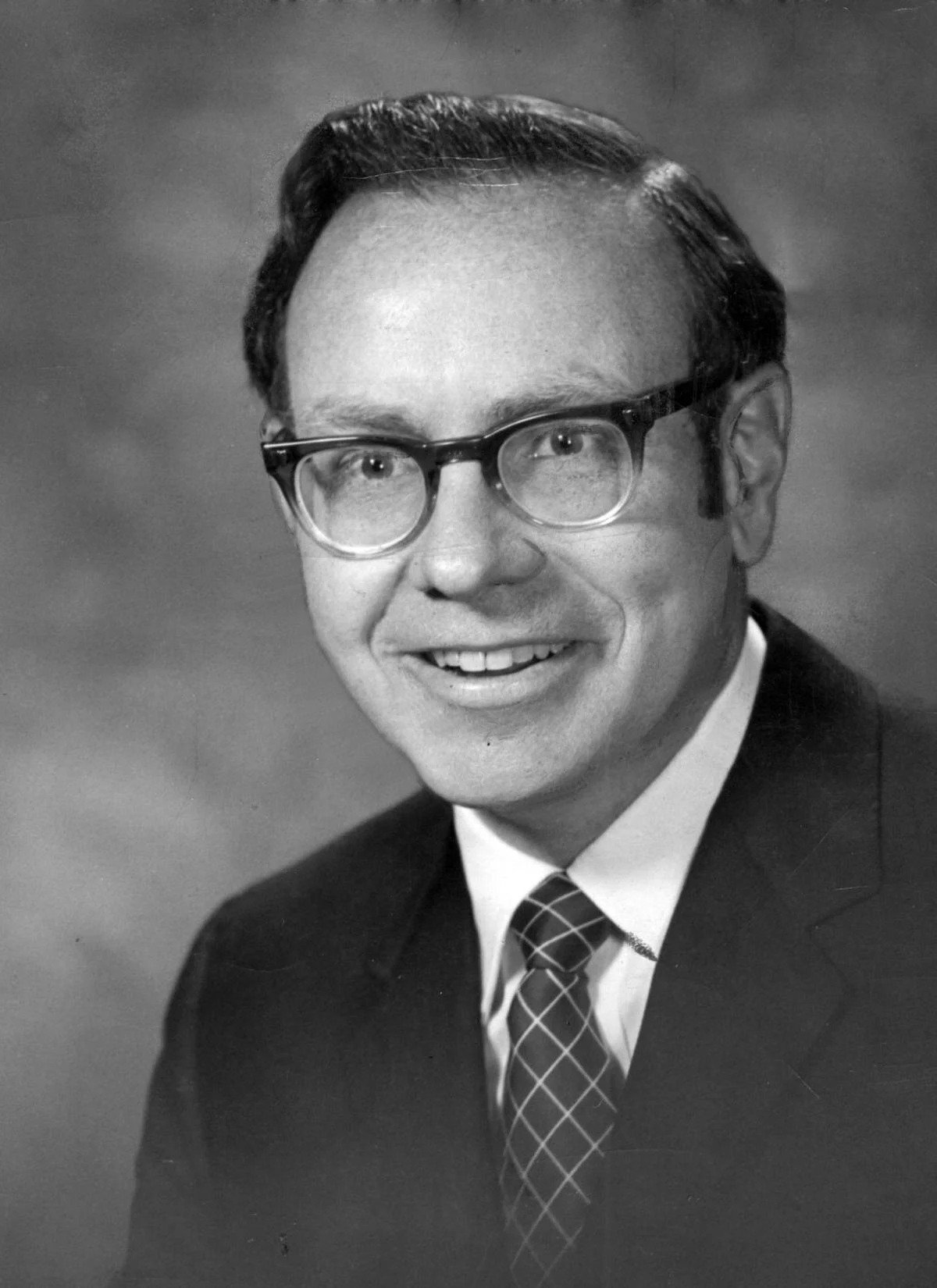
His name wasn't in the papers when he started. He didn't have a business plan, a mentor, or a culinary background. What he had was a cart, a product he'd never made before, and the specific hunger of someone who grew up without money. Fifty years later, he crossed the millionaire threshold selling hot dogs — one of the oldest, most unglamorous businesses in existence.
That story matters right now, because we are living through a strange moment in entrepreneurship. The cultural conversation is dominated by founders raising Series B rounds, AI infrastructure plays, and venture capital. Google just committed $15.1 billion to AI infrastructure in Finland alone. The signal this sends — that the real money lives in deep tech — is loud enough to drown out everything else.
It's also mostly wrong, for most people.
The data on millionaires tells a different story. The majority didn't build apps. They ran dry cleaners, pest control companies, plumbing franchises, food carts. They found a need that wasn't glamorous enough for anyone else to want to solve, and they solved it for thirty years without stopping. The mechanism is boringly consistent: a defensible local niche, low customer acquisition cost once word spreads, and compounding reinvestment over time. No pivot. No deck. No exit strategy — just staying in the game until staying in the game becomes the strategy.
The trap for ambitious people — especially younger ones — is mistaking complexity for opportunity. Venture capital funds complex things because complex things can scale to a billion users. But you are not a fund. You need one business that works, not a portfolio.
What the hot dog millionaire understood, probably without articulating it, is that execution compounds the same way interest does. Small consistent margins, reinvested. A reputation built customer by customer. The patience to stay when others would pivot. This is not inspiration — it is arithmetic.
My call: if you are sitting on a service-based business idea that feels too simple, too local, too ordinary — that feeling is not a warning. It is a signal. The unsexy lane is the uncrowded lane.
For anyone in Malta building something similar, the structure matters as much as the idea. Getting the company formation right from the start — tax efficiency, liability structure, bookkeeping — is the difference between a business and a hobby with a logo. The hot dog man didn't have a Silicon Valley story. He had fifty years of not quitting.
That's the one nobody makes a movie about. It's also the one that works.