Rate Day Reckoning: Three Central Banks, One Impossible Question
Start with the number that matters most right now: US inflation is running well above the Fed's 2% target as Kevin Warsh chairs his first policy meeting.
Rate Day Reckoning: Three Central Banks, One Impossible Question
A pension fund manager in Seoul does the same calculation every morning: where are rates going, and how long do I have to reposition before they get there? This week, she is doing it three times over — because the Bank of Korea, the Bank of England, and the Federal Reserve are all moving toward decisions simultaneously, in a world that just received a partial ceasefire and a partial reprieve, and no one is entirely sure what either means for inflation.
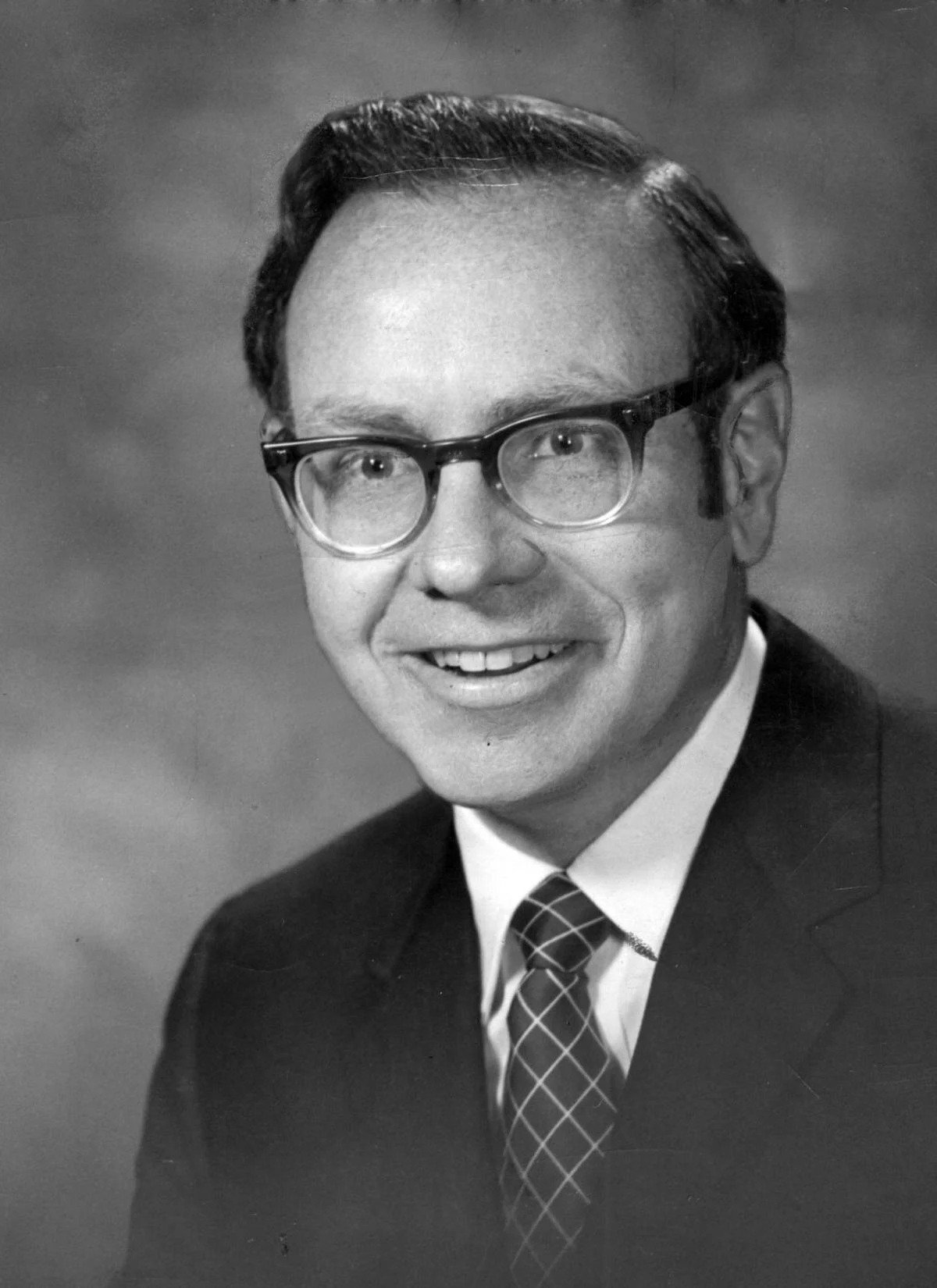
Start with the number that matters most right now: US inflation is running well above the Fed's 2% target as Kevin Warsh chairs his first policy meeting. Warsh is not Jerome Powell. He is not a career central banker cautious about overcorrection. He is a former financier who, even before his appointment, had argued that the Fed had been chronically behind the curve. Markets have been trying to price what that means — and the rally that followed the Iran deal has already started to cool, not because the geopolitical news got worse, but because the monetary news got more complicated.
The mechanism here is precise and worth understanding. The ceasefire around the Strait of Hormuz removes one layer of inflationary pressure — energy prices that had been elevated by supply disruption. That is real relief. But it is not enough to change the underlying picture, because inflation in the US, UK, and parts of Asia was not solely an energy story. Wages, services, shelter — these were already sticky before the conflict added its premium. The ceasefire gives central banks permission to pause rather than sprint, but it does not give them permission to pivot.
The Bank of Japan has already moved. It raised rates, citing the pace at which elevated oil costs have passed through into domestic prices. The Bank of Korea's May minutes showed broader support for tightening than markets had priced. The Bank of England is expected to hold at 3.75%, but the pressure for an increase is loud enough that a hold will require explanation. Three institutions, three mandates, one shared problem: inflation that was already structural got an energy shock layered on top, and now the shock is partially retreating — which means the structural component is more visible, not less.
My call: Warsh signals a hawkish hold this week — rates unchanged, but the statement removes any residual suggestion that cuts are near. The equity rally does not collapse, but the AI-driven froth that has been running on cheap-money expectations gets repriced. If I'm wrong, it's because Warsh reads the ceasefire as cover to turn more accommodative than his reputation suggests. I give that 20%.
For anyone in Malta with a variable-rate mortgage, or a business exposed to dollar-denominated costs: this is not the week to assume the easing cycle has resumed. The central banks are not done. They are simply catching their breath.