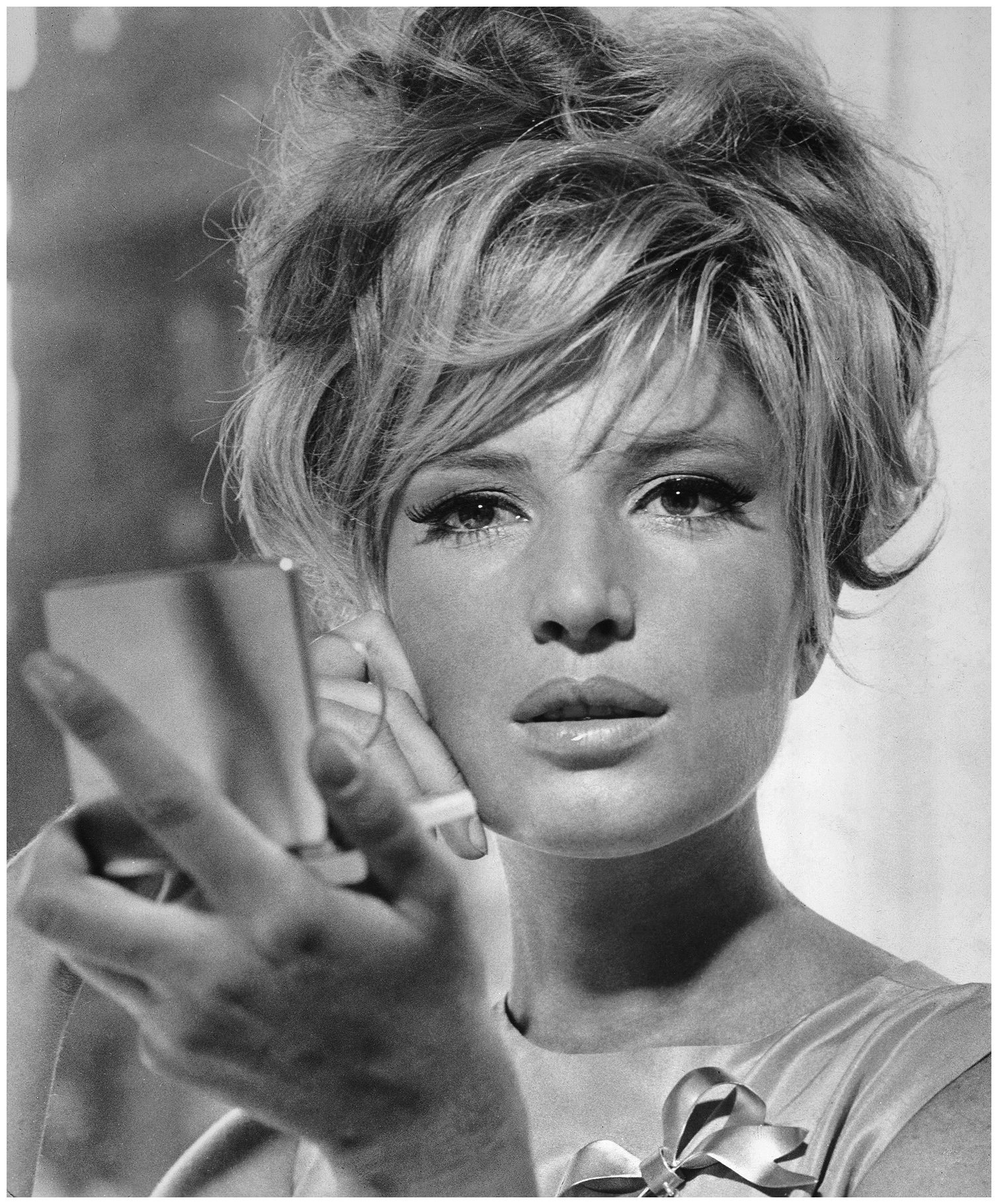
Secret Admirers: You Missed Every One
There is a particular kind of person who will love you for years without ever saying so.
There is a particular kind of person who will love you for years without ever saying so. You know the type — or rather, you don't, because that is precisely the point. They are the friend who always picks up, the colleague who remembers how you take your coffee, the one who laughs a half-second too long at your jokes and looks away when you catch them looking. They are invisible to you not because they are unremarkable, but because you have already filed them under a category that has nothing to do with desire.
I have been thinking about this for a long time, and not abstractly.
In the clinic, I see it regularly — someone arrives talking about loneliness, about feeling unseen, and somewhere in the middle of the session they describe, in passing, a person who has been orbiting them for years. Devoted. Present. Consistent. And the person sitting across from me has never once considered them as a possibility. They are too busy waiting for the one who shows up with noise and urgency, the one whose attention feels like weather — unpredictable and therefore exciting.
This is not carelessness. It is attachment theory working exactly as designed. What psychologists call *limerence* — the state of obsessive romantic focus — tends to activate toward people who give us *intermittent reinforcement*, meaning hot and cold, present and absent, interested and withholding. The nervous system interprets uncertainty as intensity. It mistakes the anxiety of not knowing where you stand for the thrill of passion. The person who is simply and quietly there? The one who actually answers? The nervous system barely registers them. They don't produce enough cortisol.
The Gottman Institute — whose research forms the backbone of most serious couples therapy — has spent decades studying what actually makes love last, and one of their most quietly devastating findings is this: most relationships fail not because of a dramatic incompatibility, but because one partner stopped responding to what John Gottman calls *bids for connection*. A bid is a small reach — a joke, a touch, a "look at this." The other person either turns toward it, turns away, or turns against it. The person who has been loving you in secret has been making bids for years. Small, deniable, easy to miss. And you have been turning away — not cruelly, but unconsciously, because they didn't feel like the kind of bid that required an answer.
I am not suggesting you owe reciprocal feeling to everyone who quietly adores you. Love is not a debt. But I am asking a different question: how much of your romantic disappointment is actually the result of the partners you chose, and how much is the result of a perception filter that systematically renders certain people invisible?
We don't fall in love with people. We fall in love with *states*. We fall in love with the feeling of being almost-reached, almost-chosen, almost-held. The person who produces that state reliably is compelling. The person who simply holds you — without the almost — registers as comfort at best, background at worst. And so we walk through our lives surrounded by people who see us, who have always seen us, while we search for someone to be seen by.
I have done this. I know exactly what it cost me and exactly what I chose instead. I cannot tell you the full story, but I can tell you that the most dangerous man I ever loved never once made me feel safe. He made me feel *chosen*, which is a different thing entirely — and it took me years to understand that chosen can be a trap, and safe can be a gift you return unopened.
The research on secret admirers is actually rather striking: studies on interpersonal attraction suggest that *awareness of being liked* significantly increases our own attraction to the other person — what psychologists call the *reciprocity of liking effect*. The problem is that secret admiration, by definition, never gives us that information. The person who loves you from the wings never tells you, and so the effect never triggers, and so nothing happens, and eventually they stop looking.
And then one day, years later, someone tells you. Usually in passing. Usually when it is far too late.
The Gottman method would call this a *failed bid cycle* — not a single missed moment, but a pattern of small invisibilities that compound over time until one person quietly exits. Not with a scene. Not with a declaration. Just with the slow removal of their attention, which you notice only once it's gone.
So here is what I would like you to sit with, because it is the thing nobody quite says in