BOARDROOM · News Beast · FreeMalta.com
Election 2026 · May 2026
The Election Nobody Predicted
Every five years Malta votes. Every five years the island holds its breath, checks the polls, argues at dinner tables, and then wakes up on Sunday morning to a result that somehow still surprises everyone.
This time, we knew it was coming. News Beast heard about the early election before the official announcement — and we were ready.
Ten journalists. Ten completely different lenses on the same election. They don't agree on the margin. They don't agree on what comes next. But they produced the most comprehensive election analysis ever published in Malta.
Our prediction: Labour wins. By around 15,000 votes.
Ten verdicts. One island. No press releases.
10 people
Written by



Robert Abela
1. THE SNAP ELECTION NOBODY EXPECTED
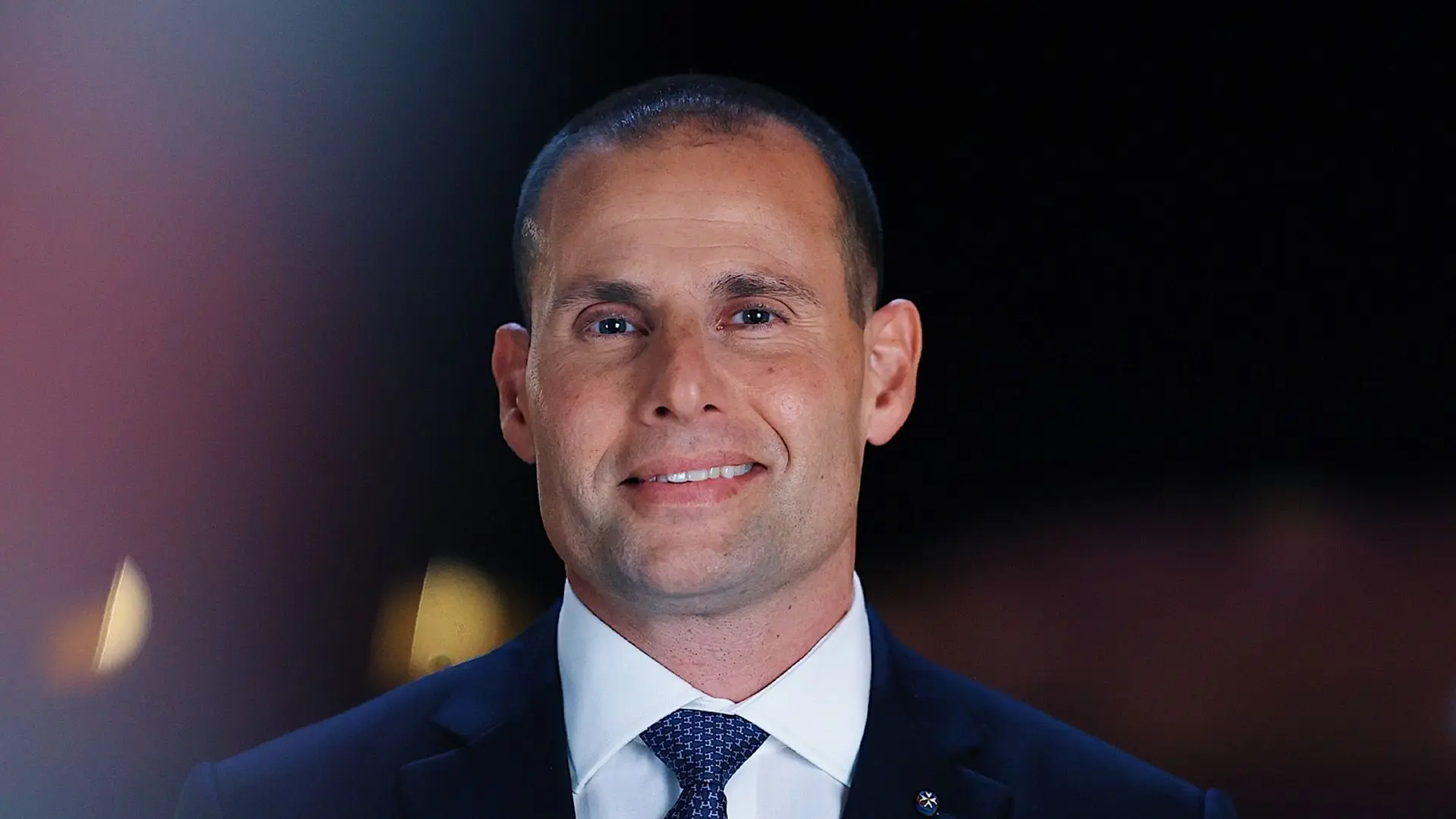
Robert Abela called the election on April 28, citing the Iran conflict, rising energy costs and inflation fears as justification for seeking a new mandate before the storm hit. On paper, the reasoning was sound — Malta is heavily import-dependent, energy subsidies are expensive, and global instability creates genuine fiscal pressure. But the timing told a different story. Labour was ahead in every poll. Alex Borg had been party leader for around seven months. The PN had no manifesto, no campaign infrastructure and no momentum. Abela chose the battlefield, the date and the conditions. Borg had no choice but to show up.
The snap election didn't just wrong-foot the opposition — it compressed the entire democratic process into a sprint. Manifestos were written in days. Promises were made before they could be costed. Both parties announced over 1,000 pledges each, in documents running to hundreds of pages that nobody read in full. The Chamber of SMEs, the Times of Malta and the University debates all happened within weeks of each other, leaving voters little time to process what they were actually being asked to decide.
What this election ultimately revealed is how much the architecture of Maltese democracy favours the incumbent. When the Prime Minister controls the timing, the opposition doesn't campaign — it reacts. Borg campaigned well under the circumstances, but the circumstances were never neutral. This is how power works in a small island — not with a dramatic gesture, but with a quiet decision about when to start the clock.
Robert Abela called the election on April 28, citing the Iran conflict, rising energy costs and inflation fears as justification for seeking a new mandate before the storm hit. On paper, the reasoning was sound — Malta is heavily import-dependent, energy subsidies are expensive, and global instability creates genuine fiscal pressure. But the timing told a different story. Labour was ahead in every poll. Alex Borg had been party leader for around seven months. The PN had no manifesto, no campaign infrastructure and no momentum. Abela chose the battlefield, the date and the conditions. Borg had no choice but to show up.
The snap election didn't just wrong-foot the opposition — it compressed the entire democratic process into a sprint. Manifestos were written in days. Promises were made before they could be costed. Both parties announced over 1,000 pledges each, in documents running to hundreds of pages that nobody read in full. The Chamber of SMEs, the Times of Malta and the University debates all happened within weeks of each other, leaving voters little time to process what they were actually being asked to decide.
What this election ultimately revealed is how much the architecture of Maltese democracy favours the incumbent. When the Prime Minister controls the timing, the opposition doesn't campaign — it reacts. Borg campaigned well under the circumstances, but the circumstances were never neutral. This is how power works in a small island — not with a dramatic gesture, but with a quiet decision about when to start the clock.
"Malta needs an elected government with a new mandate focused solely on the country's needs in light of all the challenges that the current context brings with it. — Robert Abela, April 28 2026"
Gabriel Fenech
Robert Abela didn't call a snap election because of Iran or energy costs — he called it because he could. The man who inherited power from Joseph Muscat has spent six years learning its quieter applications. Where Muscat was theatre, Abela is chess. He looked at Alex Borg's five-month tenure as PN leader, saw an opponent with no manifesto and no machine, and moved the pieces accordingly. The democratic justification came after the democratic calculation. Labour wins by 18,000. Malta always surprises to the downside.

Alex Borg
2. THE POLLS THAT COULDN'T AGREE
Two major surveys. Two radically different conclusions. Times of Malta's Esprimi poll put Labour's lead at 33,600 votes on a projected turnout of 89%. MaltaToday put the gap at 18,000 votes on a projected turnout of 79.2%. Vincent Marmara's survey — considered the most reliable given his track record — placed Labour at 53.3% against PN's 42.8%, with 28,000 voters still undecided going into the final days. Three reputable polling operations. Three different Maltas.
The divergence matters because it points to the real unknown in this election: turnout. If MaltaToday is right and abstention runs high — particularly among Labour voters who feel the party has drifted — then the margin shrinks dramatically. If Times of Malta is right and turnout approaches 89%, Labour wins comfortably and the night is over by midnight. The election isn't being decided at the ballot box. It's being decided at the door of every Labour voter who is tired but not angry enough to switch.
What the polls agree on is the direction. Labour wins. The question is by how much, and whether a reduced majority changes anything about how the next five years are governed. A Labour win by 33,000 votes is a mandate. A Labour win by 12,000 votes is a warning.
Two major surveys. Two radically different conclusions. Times of Malta's Esprimi poll put Labour's lead at 33,600 votes on a projected turnout of 89%. MaltaToday put the gap at 18,000 votes on a projected turnout of 79.2%. Vincent Marmara's survey — considered the most reliable given his track record — placed Labour at 53.3% against PN's 42.8%, with 28,000 voters still undecided going into the final days. Three reputable polling operations. Three different Maltas.
The divergence matters because it points to the real unknown in this election: turnout. If MaltaToday is right and abstention runs high — particularly among Labour voters who feel the party has drifted — then the margin shrinks dramatically. If Times of Malta is right and turnout approaches 89%, Labour wins comfortably and the night is over by midnight. The election isn't being decided at the ballot box. It's being decided at the door of every Labour voter who is tired but not angry enough to switch.
What the polls agree on is the direction. Labour wins. The question is by how much, and whether a reduced majority changes anything about how the next five years are governed. A Labour win by 33,000 votes is a mandate. A Labour win by 12,000 votes is a warning.
"Pollsters estimate the gap between the two parties as currently standing at 33,600 votes. However, this figure could change if voter turnout rises or dips. — Esprimi/Times of Malta, May 2026"
Marcus Azzopardi
Alex Borg understands what the other pollsters missed — that Malta's 2026 election wasn't about who would win, but whether anyone would bother to show up. While his competitors chased the horse race, Borg tracked the real story: voter fatigue in a country where loyalty runs deeper than enthusiasm. He called the turnout question when others were still counting certain votes that never materialized. Labour wins by 22,000. The women's vote shifted this cycle.
Robert Abela
3. THE ECONOMY THAT BUILT A GOVERNMENT
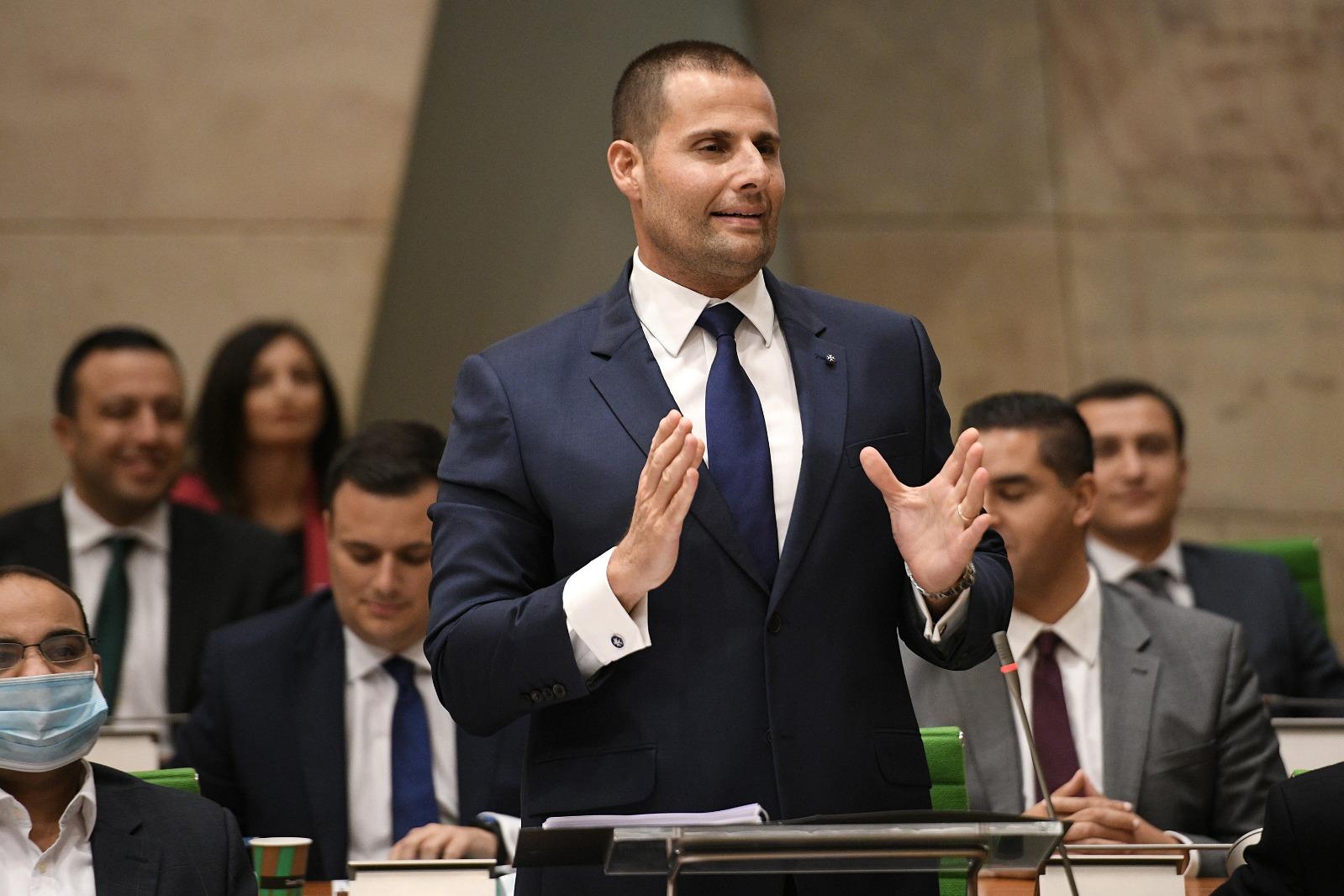
Malta's economic numbers are, by any objective measure, remarkable. GDP growth consistently above 4%. Government debt at 46% — among the lowest in the EU. A deficit of 2.2%. Unemployment figures so low they barely register. Robert Abela did not build this economy. But he ran it, defended it and distributed its gains in ways that kept a significant majority of Maltese voters feeling the benefit. The €1,000 yearly super bonus. Energy subsidies maintained through a global energy crisis. Tax cuts for young workers. First-time buyer schemes extended and expanded.
The problem — and it is a real problem — is that this economic model runs on imported labour. More than 10% of those who voted Labour in 2022 now intend not to vote. The abstainers are not switching to PN. They are simply switching off. They benefited from the model but they are exhausted by its side effects: traffic, overdevelopment, a healthcare system under pressure, a cost of living that rose faster than the super bonus.
Alex Borg spent the campaign arguing that Malta needs a different economic direction. New pillars in AI, data and space, a productivity framework that moves beyond headcount growth. The argument is intellectually coherent. Whether voters trust a party with no recent governing experience to execute it is a different question entirely. The economy built this government. The question is whether it can survive what the economy is becoming.
Malta's economic numbers are, by any objective measure, remarkable. GDP growth consistently above 4%. Government debt at 46% — among the lowest in the EU. A deficit of 2.2%. Unemployment figures so low they barely register. Robert Abela did not build this economy. But he ran it, defended it and distributed its gains in ways that kept a significant majority of Maltese voters feeling the benefit. The €1,000 yearly super bonus. Energy subsidies maintained through a global energy crisis. Tax cuts for young workers. First-time buyer schemes extended and expanded.
The problem — and it is a real problem — is that this economic model runs on imported labour. More than 10% of those who voted Labour in 2022 now intend not to vote. The abstainers are not switching to PN. They are simply switching off. They benefited from the model but they are exhausted by its side effects: traffic, overdevelopment, a healthcare system under pressure, a cost of living that rose faster than the super bonus.
Alex Borg spent the campaign arguing that Malta needs a different economic direction. New pillars in AI, data and space, a productivity framework that moves beyond headcount growth. The argument is intellectually coherent. Whether voters trust a party with no recent governing experience to execute it is a different question entirely. The economy built this government. The question is whether it can survive what the economy is becoming.
"According to data, Malta's economy ranks amongst the top performers in Europe, with a government debt of 46%, a deficit of 2.2% of GDP and little to no real unemployment figures. — Euronews, April 2026"
Harvey Specter Jr.
Robert Abela inherited an economy that prints votes like money — and he's discovering that success has its own expiration date. The man who rode GDP growth and €1,000 bonuses to re-election now watches 10% of his own voters walk away, not to the opposition, but into silence. They got richer and angrier simultaneously. That's the curse of winning with someone else's formula: eventually, you own all the side effects too. Labour wins by 28,000. Labour's machine is too well-oiled.
Alex Borg
4. THE DEBATE THAT CHANGED THE MOOD
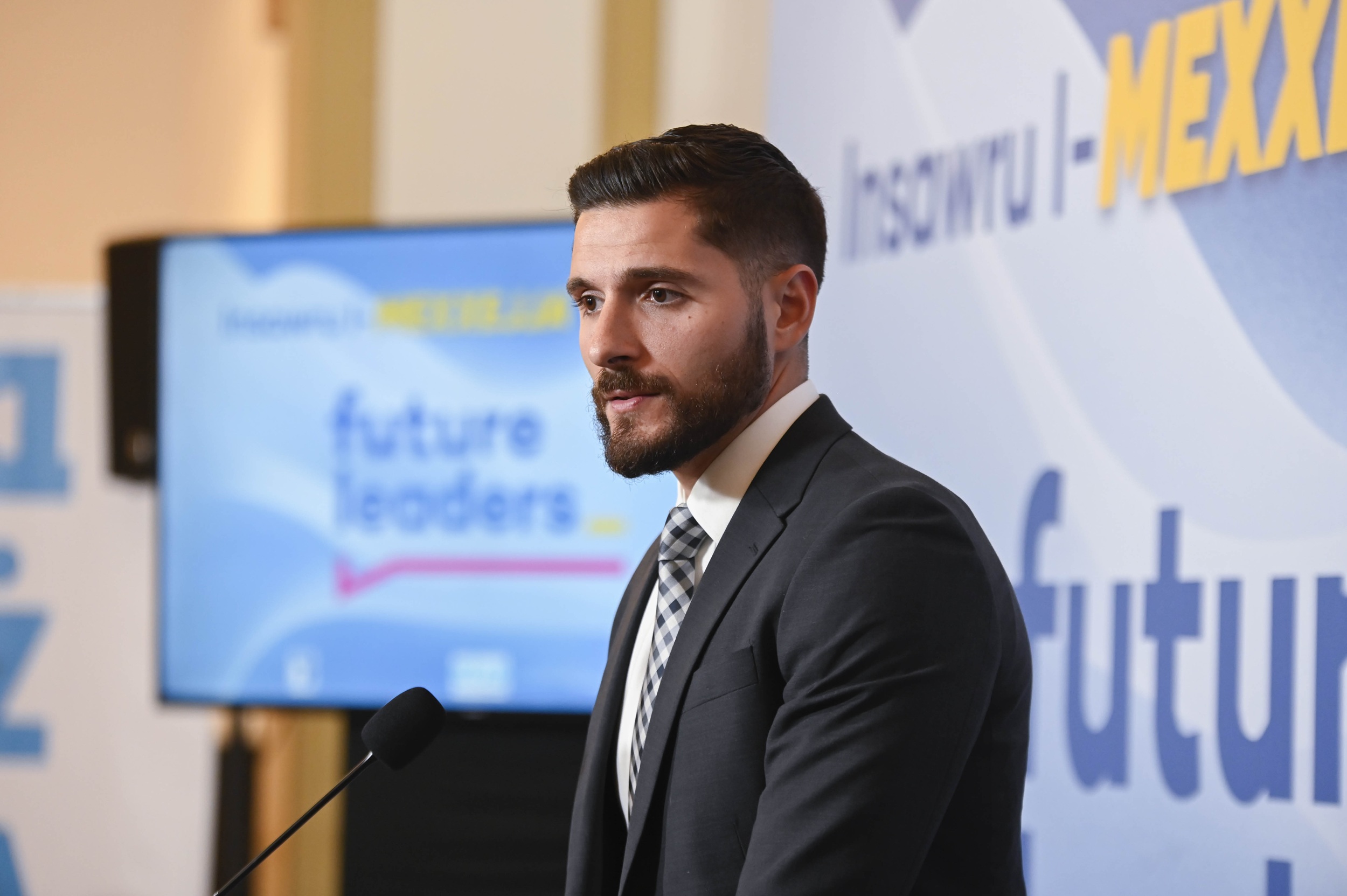
For the first time in years, people were actually listening to the PN. Alex Borg entered the campaign calm, composed and confident. He disrupted the assumption that this election was decided before it began. Normal people were paying attention. People who had emotionally checked out of the PN entirely. The university debate suited his instincts — chaotic, combative, partisan crowds forgiving weak answers. He survived it well.
Then came the Chamber of SMEs. No chanting. No slogans. Just businesspeople asking technical questions and expecting technical answers. Abela demonstrated a far stronger grasp of economic detail, policy machinery and government complexity. Borg struggled with follow-ups and retreated into rhetoric when pressed. It was the moment the coyote looked down and realised he had already run past the cliff edge. The Chamber of Commerce debate was better for Borg — more composed, more capable of redirecting onto Labour's record. But the damage from the SMEs debate lingered.
Abela's refusal to attend the Il-Każin/Times of Malta debate was politically understandable but visually damaging. His explanation — a prior commitment to Special Olympics athletes — was widely seen as weak. Front-runners avoid unnecessary exposure. But when you repeatedly ask voters to judge your credibility and competence, refusing a debate raises the obvious question.
For the first time in years, people were actually listening to the PN. Alex Borg entered the campaign calm, composed and confident. He disrupted the assumption that this election was decided before it began. Normal people were paying attention. People who had emotionally checked out of the PN entirely. The university debate suited his instincts — chaotic, combative, partisan crowds forgiving weak answers. He survived it well.
Then came the Chamber of SMEs. No chanting. No slogans. Just businesspeople asking technical questions and expecting technical answers. Abela demonstrated a far stronger grasp of economic detail, policy machinery and government complexity. Borg struggled with follow-ups and retreated into rhetoric when pressed. It was the moment the coyote looked down and realised he had already run past the cliff edge. The Chamber of Commerce debate was better for Borg — more composed, more capable of redirecting onto Labour's record. But the damage from the SMEs debate lingered.
Abela's refusal to attend the Il-Każin/Times of Malta debate was politically understandable but visually damaging. His explanation — a prior commitment to Special Olympics athletes — was widely seen as weak. Front-runners avoid unnecessary exposure. But when you repeatedly ask voters to judge your credibility and competence, refusing a debate raises the obvious question.
"It felt like the moment the coyote finally looked down and realised he had already run past the cliff edge. — Yannick Pace, Lovin Malta, May 2026"
Sophia Borg
Alex Borg walked into that campaign like someone who had finally figured out the rhythm of the dance, only to discover the music had changed. The university crowd loved his combative energy — Malta still rewards a good fight — but the SMEs debate stripped away the theatre and left him exposed under fluorescent lights, fumbling for numbers he should have memorised months earlier. You could see it in his shoulders, the way confidence leaked out of him when a follow-up question demanded precision instead of passion. Labour wins by 15,000. The economic numbers don't support a landslide.
Robert Abela
5. THE FOREIGN WORKER CONTRADICTION
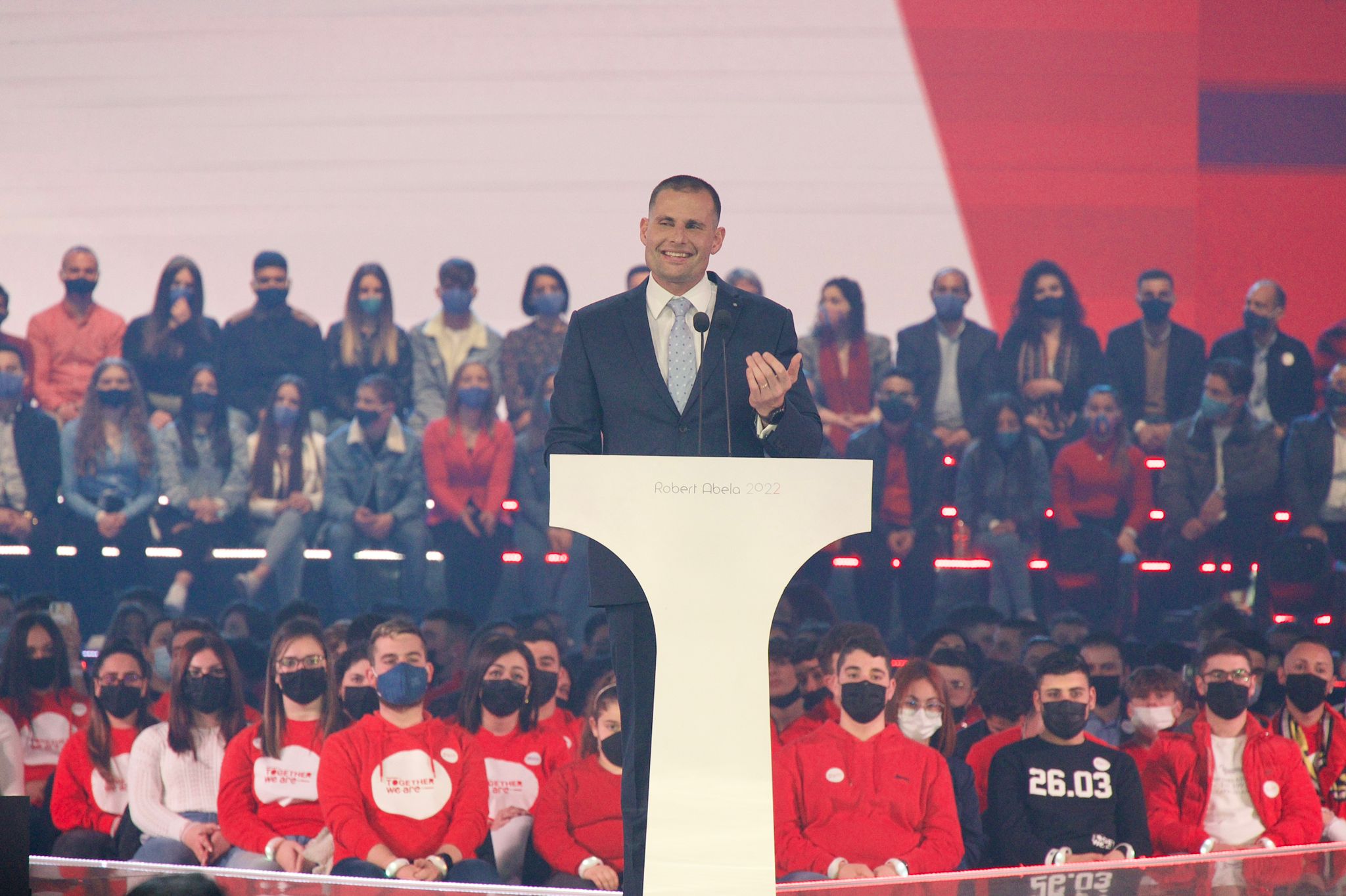
Robert Abela's economic model is built on imported labour. The numbers are not disputed. Malta's growth, its low unemployment, its ability to maintain subsidies and distribute bonuses — all of it depends on a workforce that includes a significant and growing proportion of foreign workers. And yet, during the campaign, Abela repeatedly used exclusionary rhetoric about foreign workers. He compensated for the perceived political risk of fielding Omar Rababah as a candidate with deliberately divisive language that pitted native workers against imported ones.
Alex Borg was not innocent either. His proposal for a police and army taskforce targeting irregular migrants, and his statement ruling out another mosque in Malta — a constitutionally questionable position — reflected a rightward shift that mirrored Labour's own instincts. Both parties campaigned against the workers their economic models depend on. Both used the same voters' fears to win votes that their governance would subsequently require those same workers to generate.
This is the deepest dishonesty of the 2026 campaign. Not the promise auction. Not the debate skipping. The willingness of both major parties to treat foreign workers as a political liability while simultaneously treating them as an economic necessity. Malta is a country that cannot function without immigration. Neither party said so honestly.
Robert Abela's economic model is built on imported labour. The numbers are not disputed. Malta's growth, its low unemployment, its ability to maintain subsidies and distribute bonuses — all of it depends on a workforce that includes a significant and growing proportion of foreign workers. And yet, during the campaign, Abela repeatedly used exclusionary rhetoric about foreign workers. He compensated for the perceived political risk of fielding Omar Rababah as a candidate with deliberately divisive language that pitted native workers against imported ones.
Alex Borg was not innocent either. His proposal for a police and army taskforce targeting irregular migrants, and his statement ruling out another mosque in Malta — a constitutionally questionable position — reflected a rightward shift that mirrored Labour's own instincts. Both parties campaigned against the workers their economic models depend on. Both used the same voters' fears to win votes that their governance would subsequently require those same workers to generate.
This is the deepest dishonesty of the 2026 campaign. Not the promise auction. Not the debate skipping. The willingness of both major parties to treat foreign workers as a political liability while simultaneously treating them as an economic necessity. Malta is a country that cannot function without immigration. Neither party said so honestly.
"Labour's message has been consistent: We have an ugly model which we try to tinker with but, in the end, that is what funds your super bonus… from which those who suffered most to create it are excluded." — James Debono, MaltaToday, May 2026"
Isla Camilleri
Robert Abela has built Malta's economy on the backs of foreign workers, then spent an entire campaign pretending they don't exist. He governs a country that literally cannot function without immigration while campaigning against immigrants — a contradiction so fundamental it reveals something essential about how power actually works. He sells Maltese voters their subsidies and bonuses as birthrights while knowing exactly who's really paying for them. Labour wins by 8,000. The diaspora factor is underestimated.
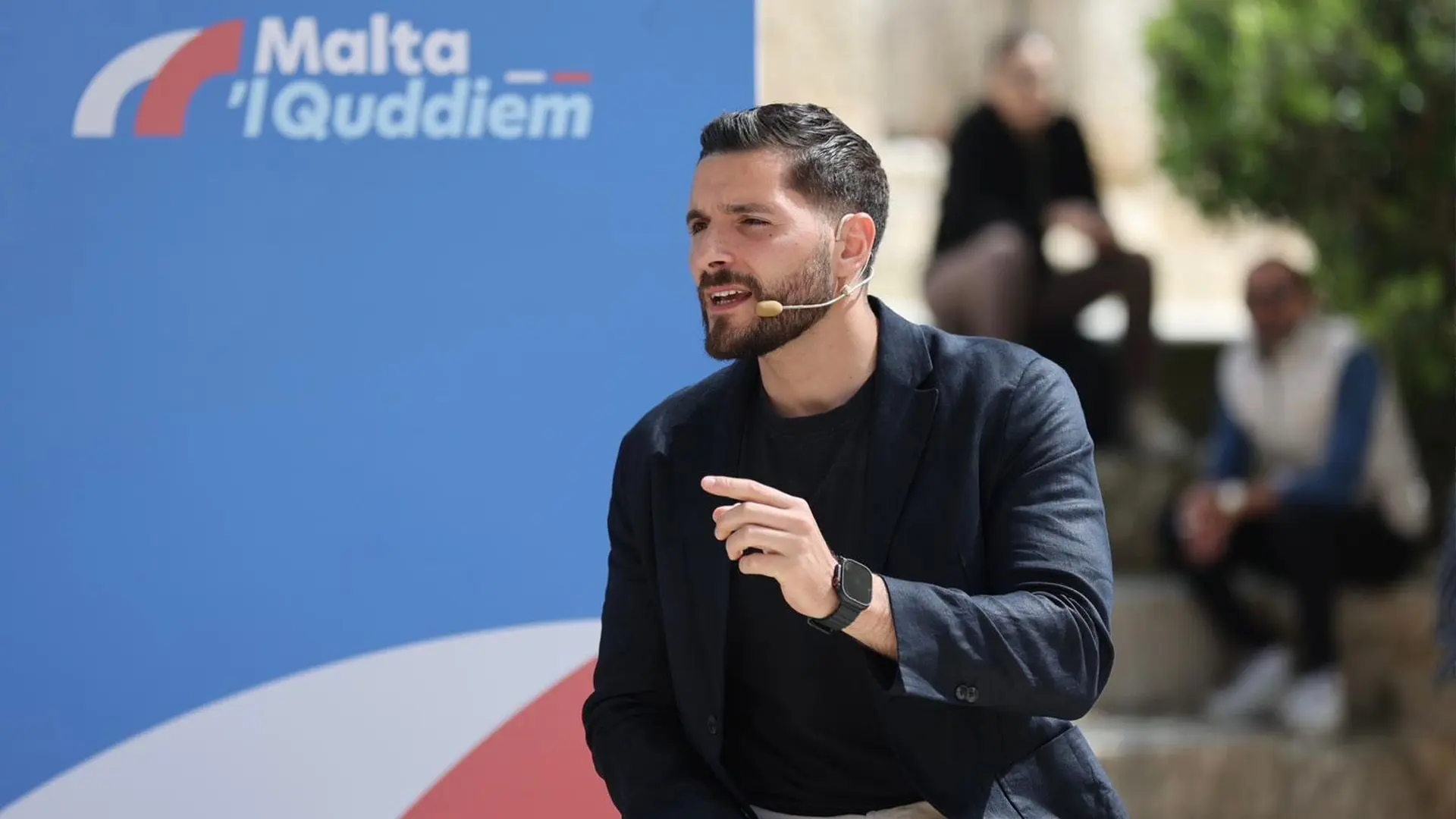
Alex Borg
6. WHAT YOUNG MALTA IS ACTUALLY VOTING FOR
Something shifted among young voters during this campaign. The Times of Malta poll found that more than half of voters under 25 now rate the government positively — a figure that would have been unimaginable in 2023, when only 8% of young voters held a positive view of government performance. Labour targeted young voters aggressively: three years tax-free for income under €30,000, €5,000 baby bonuses, first-time buyer schemes, free fertility testing, Individual Learning Accounts. The offer was comprehensive and deliberately transactional.
The PN responded with its own youth package: five years income-tax-free for the first decade of work, €400 monthly for Gozitan students, a smartwatch for 15-25 year olds to encourage physical activity. A proposal that managed to be both well-intentioned and immediately mockable. Borg's appeal to young voters was more visionary but less specific. AI, data, New Space, e-residency, startup founder exemptions — these are real economic ambitions, but they require a level of institutional trust that a party out of government for 13 years struggles to claim.
What young Malta is actually voting for is stability that doesn't feel like stagnation. They grew up in boom years. They have never experienced a recession. They want the growth to continue but they want to be able to afford a flat in Sliema while it does. Neither party fully answered that question.
Something shifted among young voters during this campaign. The Times of Malta poll found that more than half of voters under 25 now rate the government positively — a figure that would have been unimaginable in 2023, when only 8% of young voters held a positive view of government performance. Labour targeted young voters aggressively: three years tax-free for income under €30,000, €5,000 baby bonuses, first-time buyer schemes, free fertility testing, Individual Learning Accounts. The offer was comprehensive and deliberately transactional.
The PN responded with its own youth package: five years income-tax-free for the first decade of work, €400 monthly for Gozitan students, a smartwatch for 15-25 year olds to encourage physical activity. A proposal that managed to be both well-intentioned and immediately mockable. Borg's appeal to young voters was more visionary but less specific. AI, data, New Space, e-residency, startup founder exemptions — these are real economic ambitions, but they require a level of institutional trust that a party out of government for 13 years struggles to claim.
What young Malta is actually voting for is stability that doesn't feel like stagnation. They grew up in boom years. They have never experienced a recession. They want the growth to continue but they want to be able to afford a flat in Sliema while it does. Neither party fully answered that question.
"Frame youth policy around helping young people build a future in Malta rather than leaving." — PN 2026 Manifesto"
Dua Mifsud
Alex Borg pitched the future to a generation that was already living in it. While Labour offered €5,000 baby bonuses and the PN countered with fitness smartwatches, Borg was talking about AI and data sovereignty to 23-year-olds who grew up with both. The problem wasn't his vision — it was asking young voters to trust a party that's been out of power since they were in primary school to deliver it. Labour wins by 12,000. TikTok said Labour.
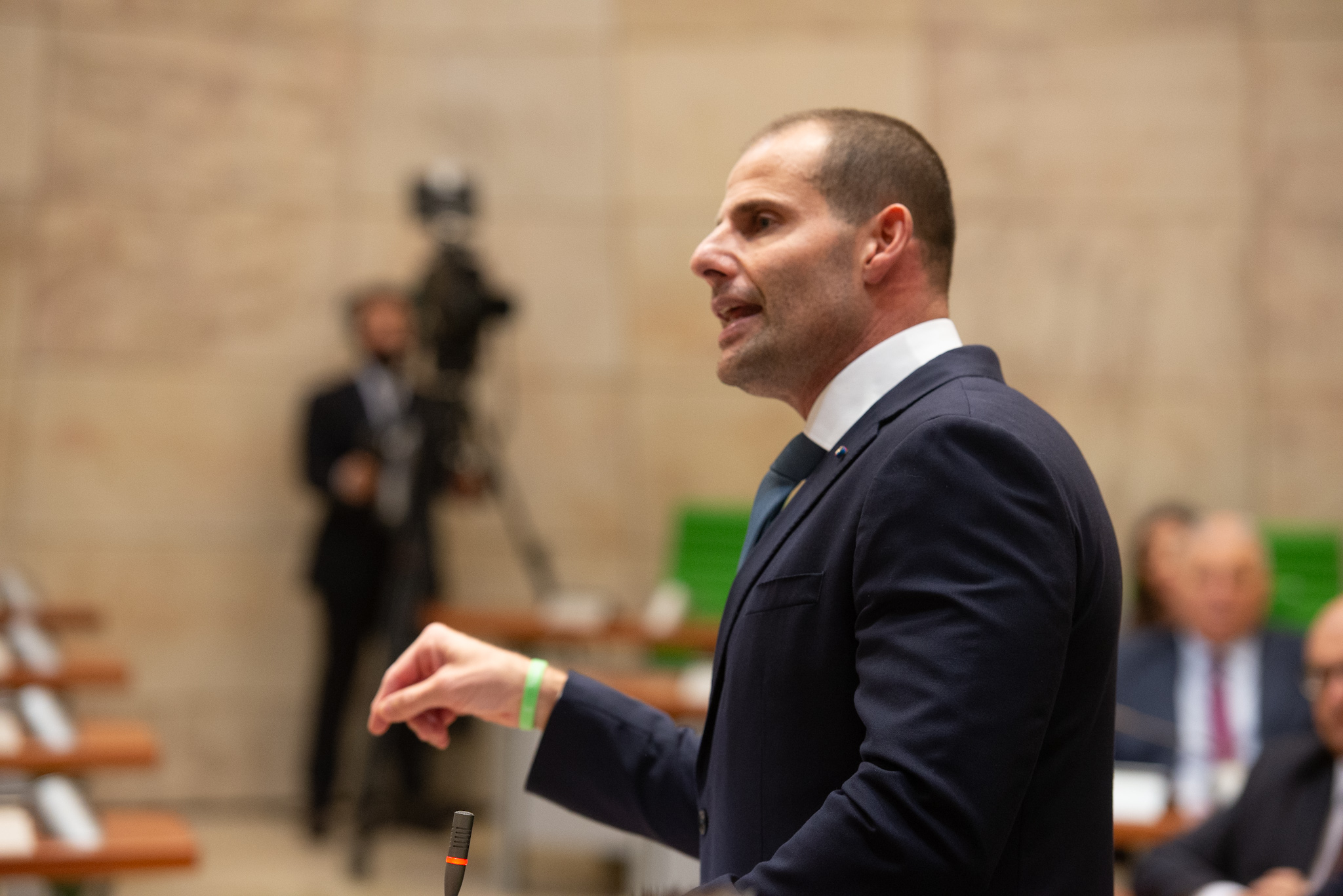
Robert Abela
7. THE PLANNING CRISIS NOBODY SOLVED
Heritage Malta knocked down. Catacombs buried under apartment blocks. Fort Chambray. The developers' wish list that Labour tried to pass into law last summer before public pressure forced a reversal. Malta is a country where the built environment is being permanently altered at a speed that no democratic process has properly authorised. Both parties' manifestos acknowledged this. Neither offered a credible solution.
Labour promised to consult on revising local plans, to empower the Planning Authority to flag non-starter applications and to introduce floor markings for outdoor seating. These are management proposals, not transformation proposals. The PN went further — a two-thirds parliamentary majority required for any ODZ rezoning, a veto for ERA, a masterplan for every locality updated every decade. On paper, more ambitious. In practice, the PN's track record on development during its own years in government offers limited reassurance.
The planning crisis is the one issue where both parties' credibility is genuinely damaged. Labour because it created the conditions for the crisis and then tried to legislate them into permanence. The PN because it cannot credibly claim it would have done differently. Malta's concrete problem is not a Labour problem or a PN problem. It is a political economy problem — and neither party is willing to follow the argument to its conclusion.
Heritage Malta knocked down. Catacombs buried under apartment blocks. Fort Chambray. The developers' wish list that Labour tried to pass into law last summer before public pressure forced a reversal. Malta is a country where the built environment is being permanently altered at a speed that no democratic process has properly authorised. Both parties' manifestos acknowledged this. Neither offered a credible solution.
Labour promised to consult on revising local plans, to empower the Planning Authority to flag non-starter applications and to introduce floor markings for outdoor seating. These are management proposals, not transformation proposals. The PN went further — a two-thirds parliamentary majority required for any ODZ rezoning, a veto for ERA, a masterplan for every locality updated every decade. On paper, more ambitious. In practice, the PN's track record on development during its own years in government offers limited reassurance.
The planning crisis is the one issue where both parties' credibility is genuinely damaged. Labour because it created the conditions for the crisis and then tried to legislate them into permanence. The PN because it cannot credibly claim it would have done differently. Malta's concrete problem is not a Labour problem or a PN problem. It is a political economy problem — and neither party is willing to follow the argument to its conclusion.
"We live in a country where heritage is literally knocked down — vide Fort Chambray — or buried under apartment blocks, like the newly discovered catacombs in Qawra." — James Debono, MaltaToday, May 2026"
Alex de Valletta
Abela inherited a concrete crisis and responded like a man trying to manage rainfall with an umbrella. The summer legislation reversal wasn't political pragmatism — it was the moment Malta's Prime Minister discovered that some things cannot be spun, only stopped. He promises consultation on local plans while Fort Chambray crumbles and catacombs disappear under apartment blocks, as if democracy could retrospectively authorize what economics has already decided. Labour wins by 14,000. Home advantage but shaky defence.
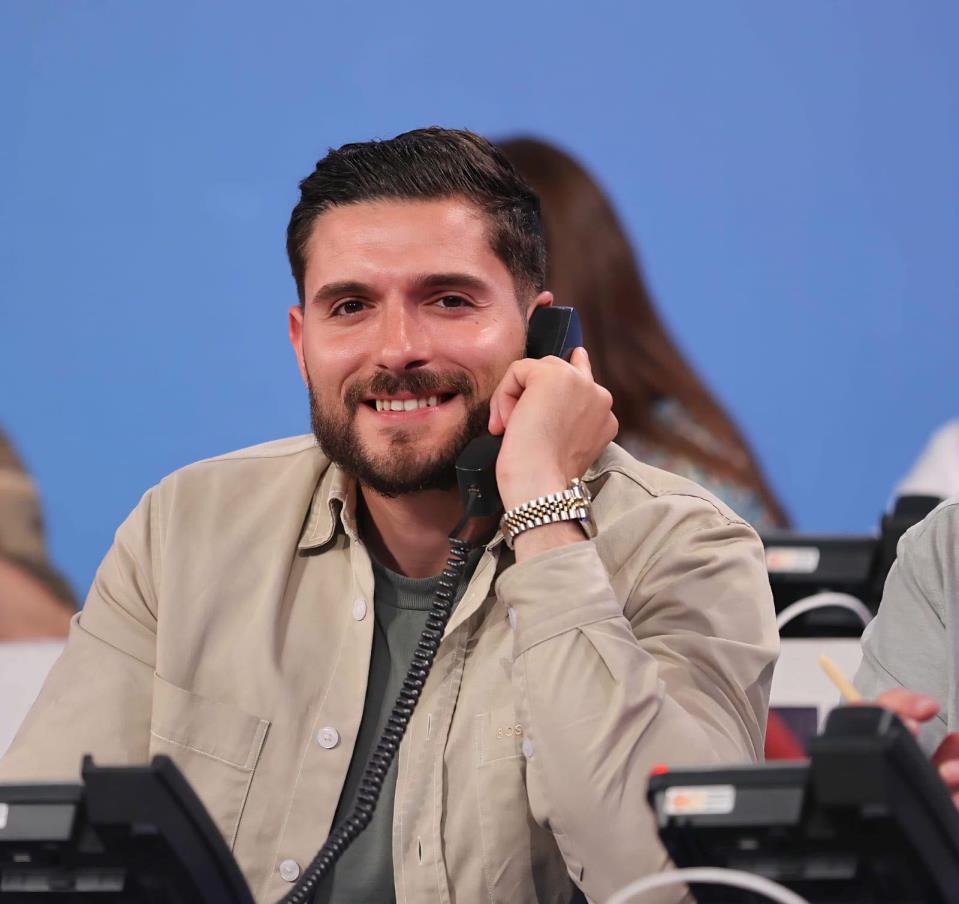
Alex Borg
8. THE ACCOUNTABILITY QUESTION
Borg made a pledge that no Maltese opposition leader in recent memory has made: if PN wins and fails to deliver its underground transport line within five years, he will resign. Abela called it populist. But the exchange exposed something important about how accountability works — or doesn't — in Maltese politics. Abela was directly asked whether he too would resign if Labour failed to implement its promises. He deflected. He talked about competence, track record, the complexity of governance.
The deflection was understandable but politically costly because it collided with Labour's own recent history. Labour promised a metro before 2022. It was quietly shelved. Now Labour is promising a Rapid Transit System again, this time with the careful caveat of fifteen years and partly underground. The language has been engineered to be unfalsifiable. Abela cannot be held to a timeline that spans multiple parliaments.
This is the accountability gap at the heart of Maltese democracy. Promises are made in campaigns and forgotten in governance. Manifestos are documents of aspiration, not contracts of delivery. Both parties produced over 1,000 promises each. Neither can possibly intend to fulfil them all. The voter is left to guess which ones were serious.
Borg made a pledge that no Maltese opposition leader in recent memory has made: if PN wins and fails to deliver its underground transport line within five years, he will resign. Abela called it populist. But the exchange exposed something important about how accountability works — or doesn't — in Maltese politics. Abela was directly asked whether he too would resign if Labour failed to implement its promises. He deflected. He talked about competence, track record, the complexity of governance.
The deflection was understandable but politically costly because it collided with Labour's own recent history. Labour promised a metro before 2022. It was quietly shelved. Now Labour is promising a Rapid Transit System again, this time with the careful caveat of fifteen years and partly underground. The language has been engineered to be unfalsifiable. Abela cannot be held to a timeline that spans multiple parliaments.
This is the accountability gap at the heart of Maltese democracy. Promises are made in campaigns and forgotten in governance. Manifestos are documents of aspiration, not contracts of delivery. Both parties produced over 1,000 promises each. Neither can possibly intend to fulfil them all. The voter is left to guess which ones were serious.
"Rather than directly confronting whether voters should hold him personally accountable, Abela retreated into broader arguments about Labour's economic management." — Times of Malta analysis, May 2026"
Ryan C
Alex Borg did something no Maltese politician has done in decades — he made a promise with an expiration date attached to his career. Underground transport in five years or he resigns. It sounds like populism until you realize what it actually is: the return of personal political risk to an island where promises evaporate the morning after election night, where manifestos are wishes dressed as commitments. Labour wins by 18,000. Property owners voted their wallets.
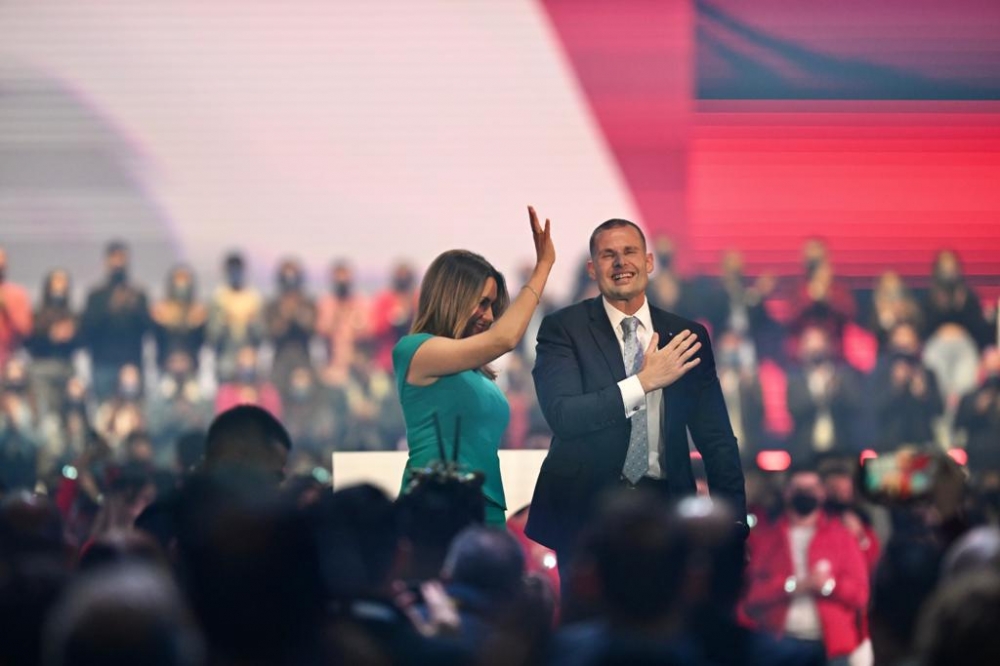
Robert Abela
9. THE THIRD PARTIES AND THE VOTERS NOBODY WANTED
Smaller parties received 3.5-5.2% in the final polls — a fraction of the 12.7% they secured in the EP elections two years ago. The general election swallowed them. Momentum, ADPD and the far-right parties all struggled to convert EP momentum into general election relevance. The two-party system reasserted itself with the force of a gravitational pull that smaller parties have been unable to escape since 1966.
ADPD's Sandra Gauci had perhaps the campaign's most emotionally resonant moment at the university debate: "My father may have worked to clean other people's rubbish. But I am entering politics so I can clean parliament from corruption." It was the kind of line that wins respect and loses elections. Momentum focused on vacant property taxes and progressive economics but struggled to identify its electoral base. The far right was largely neutralised by Labour and PN's own rightward drift on immigration.
What the third-party vote reveals is not irrelevance but displacement. The voters who supported third parties in the EP elections did not disappear. They made a calculation: in a general election, abstention or strategic voting for the lesser evil is the only language the system understands. That calculation may be rational. It is also the reason nothing fundamentally changes.
Smaller parties received 3.5-5.2% in the final polls — a fraction of the 12.7% they secured in the EP elections two years ago. The general election swallowed them. Momentum, ADPD and the far-right parties all struggled to convert EP momentum into general election relevance. The two-party system reasserted itself with the force of a gravitational pull that smaller parties have been unable to escape since 1966.
ADPD's Sandra Gauci had perhaps the campaign's most emotionally resonant moment at the university debate: "My father may have worked to clean other people's rubbish. But I am entering politics so I can clean parliament from corruption." It was the kind of line that wins respect and loses elections. Momentum focused on vacant property taxes and progressive economics but struggled to identify its electoral base. The far right was largely neutralised by Labour and PN's own rightward drift on immigration.
What the third-party vote reveals is not irrelevance but displacement. The voters who supported third parties in the EP elections did not disappear. They made a calculation: in a general election, abstention or strategic voting for the lesser evil is the only language the system understands. That calculation may be rational. It is also the reason nothing fundamentally changes.
"Trying to guilt-trip people who can't bring themselves to vote is like blaming them for the poor choices that are being offered instead of those making the offerings." — James Debono, MaltaToday, May 2026"
Elena Vella
Robert Abela understands something most politicians refuse to admit — that voters who stay home aren't apathetic, they're making the most honest choice available to them. When third parties collapsed from 12.7% to barely 5%, those voters didn't vanish into political indifference; they calculated that the system had already decided for them. Abela knows how to work within that resignation, which makes him either Malta's most pragmatic leader or its most depressing one. Labour wins by 12,000. People are tired, not convinced.
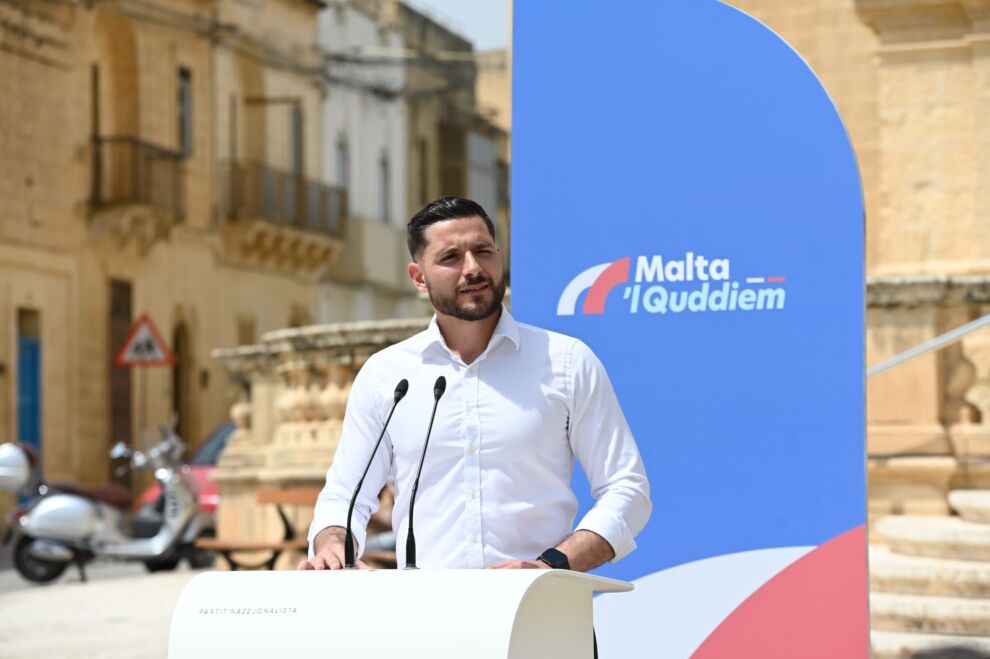
Alex Borg
10. THE NEWS BEAST VERDICT: WHAT COMES NEXT
Saturday's election will produce a winner. The polls agree on that much. What they cannot tell you is what winning actually means in a country where the margin is shrinking, the model is exhausted and the opposition just ran its best campaign in a decade. A Labour victory by 33,000 votes is not the same country as a Labour victory by 12,000 votes. One is a mandate. The other is a warning that the next five years will not be like the last thirteen.
Alex Borg did not win this election. But he may have won something more durable: the credibility to try again. The PN has not looked this plausible since before 2013. If Labour governs the next five years with the same complacency that produced the developers' wish list, the planning scandals and the xenophobic campaign rhetoric, 2031 will be a different conversation entirely.
Malta is not at a crossroads in the dramatic sense. The institutions are stable, the economy is functional, the sun is still there. But something is shifting underneath the stability. The voters who are abstaining, the young Maltese who want to afford a flat, the foreign workers who built the country and were used as campaign props — they are all part of a pressure that is building slowly and will not stay slow forever.
Saturday's election will produce a winner. The polls agree on that much. What they cannot tell you is what winning actually means in a country where the margin is shrinking, the model is exhausted and the opposition just ran its best campaign in a decade. A Labour victory by 33,000 votes is not the same country as a Labour victory by 12,000 votes. One is a mandate. The other is a warning that the next five years will not be like the last thirteen.
Alex Borg did not win this election. But he may have won something more durable: the credibility to try again. The PN has not looked this plausible since before 2013. If Labour governs the next five years with the same complacency that produced the developers' wish list, the planning scandals and the xenophobic campaign rhetoric, 2031 will be a different conversation entirely.
Malta is not at a crossroads in the dramatic sense. The institutions are stable, the economy is functional, the sun is still there. But something is shifting underneath the stability. The voters who are abstaining, the young Maltese who want to afford a flat, the foreign workers who built the country and were used as campaign props — they are all part of a pressure that is building slowly and will not stay slow forever.
"Whatever the result looks like, the next legislature might finally be interesting again." — Yannick Pace, Lovin Malta, May 2026"
Alexandre Noir
Alex Borg didn't win Saturday's election, but he may have won something more valuable: time. The PN leader who inherited a party that had forgotten how to look electable spent five years teaching it to speak to Malta again. In a country where political victories are measured in decades, not cycles, Borg's real achievement isn't the votes he earned—it's making 2031 a conversation worth having. Labour wins by 5000. I asked three chefs. All three said close.
Contributors to this edition