The Twelve
The ballot didn't send them. It almost did, and then it looked away. Twelve women stood for election in 2026, won the trust of thousands, and still finished a fraction short of a seat — and it took a clause in the Constitution to do what an entire island, left to its own habits, still could not: make room for them.
Sit with that for a moment. A country can build the richest economy in its history, fill its skyline with cranes, call itself modern at every ribbon-cutting — and still need a law to remember that half its people exist. That is not a triumph. It is an admission. These twelve are the proof and the indictment in the same breath.
So we refused to file them the way the country did — six red, six blue, a grid of faces and a column of percentages. Party is the least interesting thing about any of them. Here is the lawyer, the Eurovision voice, the economist, the speech therapist who gave people back their words, the woman who spent eighteen years holding children the system had let fall. We didn't sort them by colour or by quota. We sorted them by who they are, what they've carried, and what they might yet do.
Twelve women. One Parliament. The real picture — the one nobody else stopped to look at.


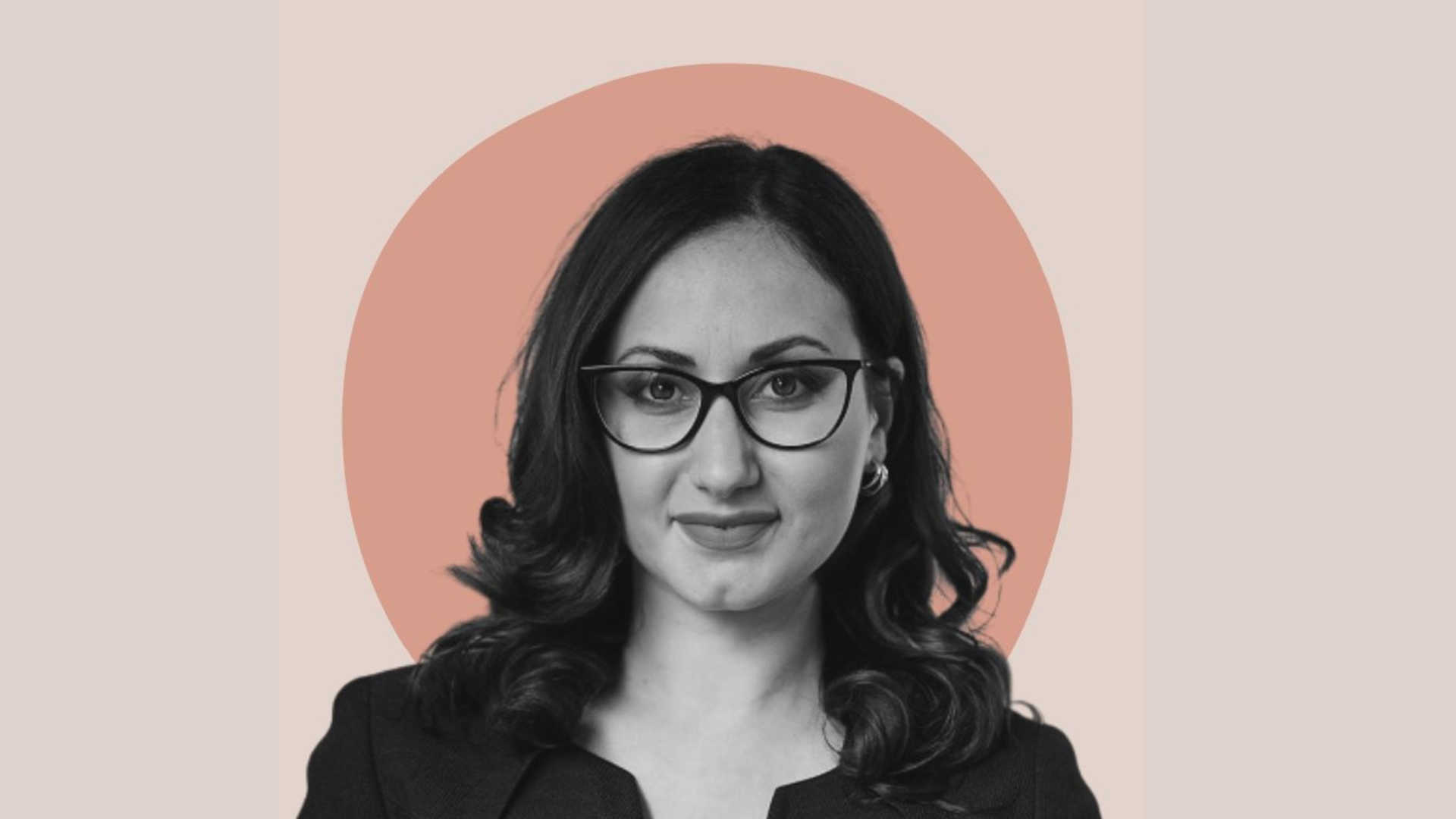
Rebecca Buttigieg was born in 1993, which makes her one of the youngest people ever handed Malta's most thankless brief. She read International Relations at the University of Malta, then took an MSc in Global Crime, Justice and Security at Edinburgh — a degree that reads, in hindsight, like a job description. She came up through the machinery most voters never see: the Parliamentary Assembly of the Mediterranean, a policy desk at Malta's Permanent Representation to the EU during the 2017 Council Presidency, then spokesperson roles inside the economy and home affairs ministries. Elected in 2022, she was sworn in as Parliamentary Secretary for Reforms and Equality within days — the person who actually carries the files nobody volunteers for: gender, LGBTIQ rights, anti-trafficking, and the prostitution reform that has stalled since 2021. This time the ballot fell just short of returning her directly — she finished at 44.94% of the quota on the 9th district — but the gender-corrective mechanism is set to carry her back in. She is the rare politician whose portfolio is also her conviction.
"She does not lobby at the front line of rights and freedoms. She stands on it — unarmoured, unhurried, daring the century to keep up."

Bernice Bonello has spent her twenties doing the one thing Maltese politics rarely rewards: showing up, fully, with nothing held back. A law student turned full-time politician, she first entered Parliament in 2022 through the gender mechanism while still at university — and immediately found herself at the centre of a storm, when a district rival accused the party of favouring her and resigned in protest. Bonello's answer was telling: she called for "maturity and loyalty to the party, no matter the circumstances." Four years on, the numbers settled the argument for her. She did not win a seat outright this time either — but she finished first among every unsuccessful woman candidate on the island, with more than 80% of the quota on the 2nd district, the strongest showing of any of the twelve, and the mechanism is set to return her. Her tax declaration lists no profession but this one: she has no job except Parliament, no fallback, no second life to retreat into. For Bonello, politics was never a platform. It was the whole bet.
"She placed her entire life on a single number, and the number came back higher than anyone's. There is no Plan B in a story like hers — only the will to keep walking until the door has no choice but to open."
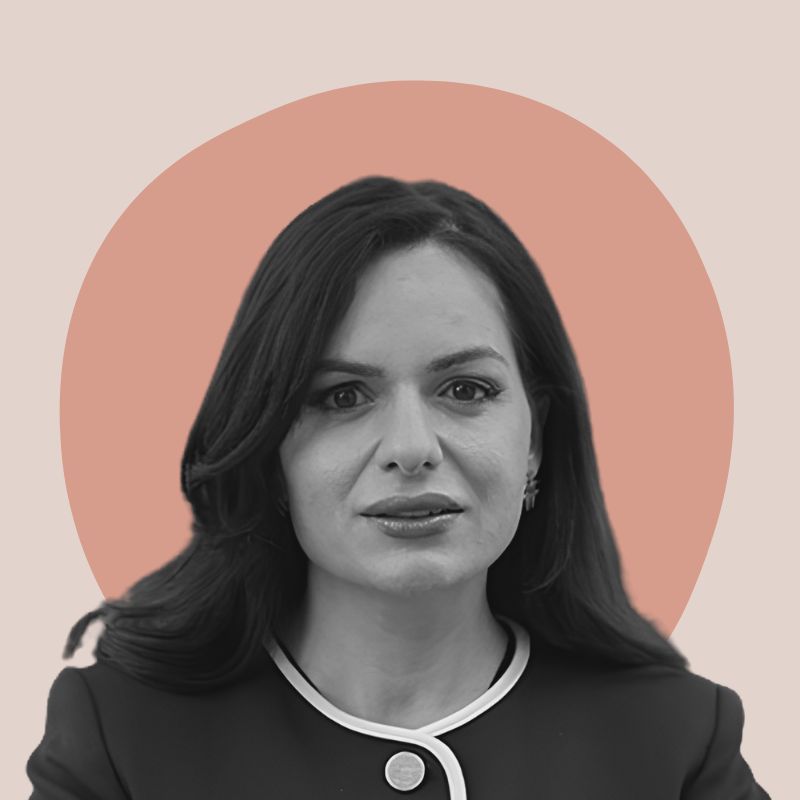
Ramona Attard learned how power actually moves before she ever held any. For a decade she worked inside ONE, the Labour media machine — journalist, presenter, producer from 2010 to 2020 — then crossed into the communications team of a sitting Prime Minister, Joseph Muscat. A lawyer who still practises in court, she was elected President of the Labour Party in 2020 and ran it for four years, the period in which she pushed through the IVF reform that became one of the government's first delivered promises. When the party stumbled in the 2024 European elections, she stepped aside on her own terms — "ready for a new challenge" — and was co-opted into Parliament in January 2025. She is not a soft presence. She has publicly argued to curb the Standards Commissioner's reach and called the removal of prison terms for criminal libel a mistake — positions that win enemies and signal exactly how she reads the machinery of the state. The ballot fell short of returning her directly this time, but the mechanism is set to carry her back in — and almost nobody who has watched her career believes that slows her down.
"She spent ten years learning how the engine of power is wired, and the rest of her career standing quietly beside the switch. The storm never touches her, because she is usually the one who decided where it would land."

Julie Zahra has spent her life being told where an artist belongs — and quietly ignoring it. Born in 1982, classically trained, she represented Malta at the 2004 Eurovision Song Contest as one half of Julie & Ludwig, finishing 12th out of 36 nations in Istanbul, and returned as Malta's spokesperson in 2015. She is a music teacher as much as a performer, someone who treats the arts not as decoration but as a profession that deserves respect — a conviction she defended on live television in 2022, when a government minister tried to mock her Eurovision past mid-debate and the entire artistic community rose to her side. As Shadow Minister for National Heritage, Arts and Culture, she has carried causes that win little applause: a sustained, unglamorous campaign to reform Mount Carmel and Malta's treatment of mental health, and a public stand on whether a song contest can share a stage with a state accused of atrocities. The ballot fell short of returning her directly this time, but the mechanism is set to bring her back in. She came up through an industry that rarely takes women past a certain age seriously. She is still here, still singing a different note than the one expected of her.
"They gave her three minutes on a stage and assumed that would be the whole story. Two decades later she is still on her feet — proof that some voices were never built for the encore, only for the argument that comes after the music stops."
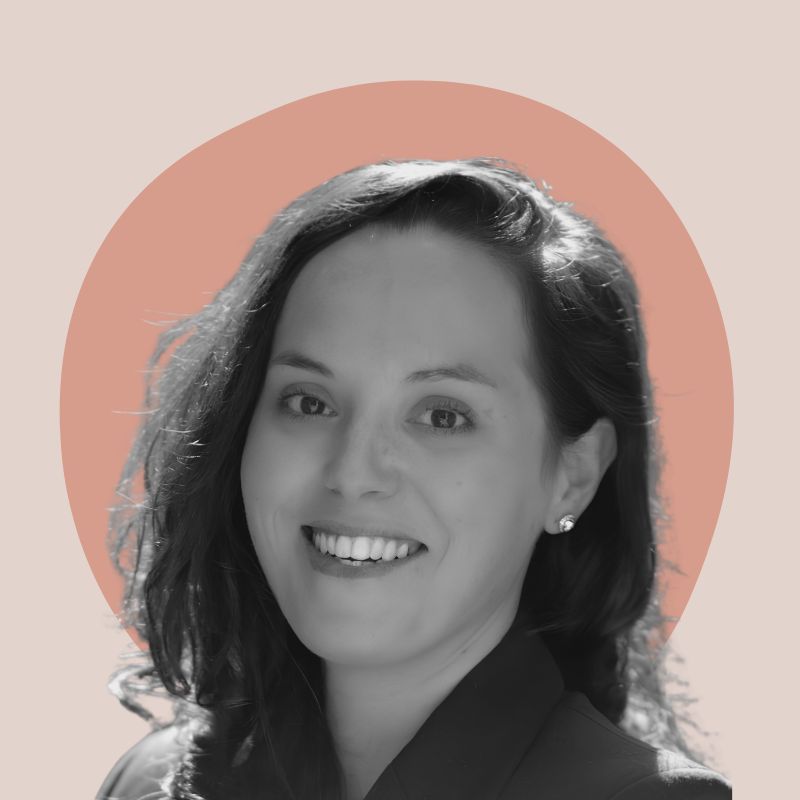
Fleur Abela built a career out of standing close to the powerless. She qualified as a lawyer in 2018 and practised in civil, human rights and family law — the rooms where people arrive at the worst moment of their lives. Before that she worked in international law and diplomacy across Brussels, Strasbourg and New York, returning to Malta after a posting in France. In late 2025 she became Commissioner for Animal Welfare, stepping into a role her predecessor left under contested circumstances — and then chose to trade the commissioner's chair for the ballot, arguing she could do more for the vulnerable as an elected voice than as an appointed one. She is the daughter of former Labour deputy leader Toni Abela, and she does not pretend otherwise; politics, she says, was always part of how she was raised. She stood on the first district, where her family's roots run through Valletta, Marsa and Ħamrun, and fell just short of a seat — the mechanism is now set to bring her in. Her thread, across diplomacy and law and animal welfare, is consistent: she keeps choosing the side that cannot speak for itself.
"She has spent her life learning the languages of those who have none — the abused, the frightened, the voiceless on four legs and two. Some people inherit a surname and coast on it. She inherited one and went looking for everyone it could still protect."
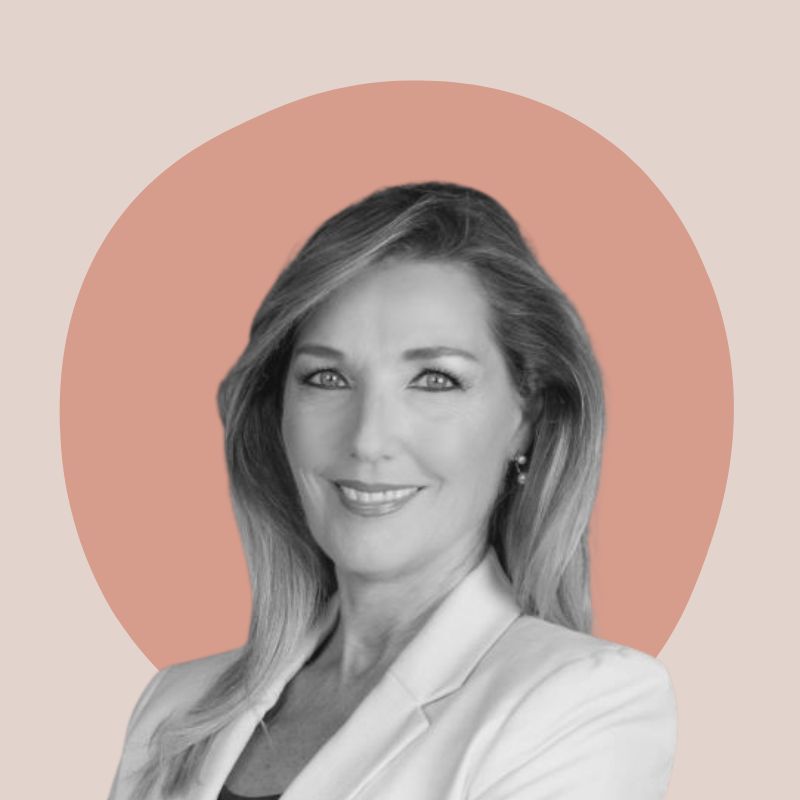
Before politics, Graziella Attard Previ spent nearly two decades as a social worker in a children's home — the kind of job that teaches you exactly what a failing system does to the people at the bottom of it. She came up through local government in Gżira and Sliema, served as Mayor of Sliema, and was first elected to Parliament from the 10th district in 2022. As Shadow Minister for Equality, Civil Liberties and Children's Rights, she has built her work on a refusal to let numbers stay abstract: she stood in Parliament and read out that 3,788 people sought help for domestic violence in 2024 — over three-quarters of them women — and named the murdered women behind the statistics rather than letting them blur into a total. She has pushed for more magistrates to handle abuse cases, for healthy-relationship education in schools, and against the idea that women should be incentivised to have children as a matter of policy. The ballot fell short of returning her directly this time, but the mechanism is set to bring her back in. She is not a politician who deals in beautiful words. She has seen, up close, what beautiful words cost the people they fail to protect.
"She spent eighteen years holding the children that the system had already let go, and she never learned to round their suffering down to a statistic. When she stands and reads the numbers aloud, she says the names too — because she knows that a figure forgets, and a name does not."

Cressida Galea is an economist by training — two degrees from the University of Malta, a Bachelor in Economics and a Master's — who chose, of all the things an economist can monetise, to study poverty. She worked on a government-commissioned research project introducing the concept of a "living income" in Malta, mapping how many people fall below the line and what it would actually take to lift them above it. Born in Ħamrun in the mid-1990s, she came into politics in 2017 through a Labour programme designed to get more women into Parliament, and first entered the House in 2022 through the same gender mechanism returning her now. She was among the youngest MPs in the country, and unlike some who arrived that way, she defended the mechanism openly when challenged on live television — arguing that decades of near-invisible female representation needed correcting, not apologising for. She reads the economy the way few of her colleagues can: not as a scoreboard of growth, but as a question of who the growth actually reaches.
"Everyone in the chamber can recite the GDP figure. She is one of the few who asks the harder question hidden inside it — not how big the pie has grown, but how many people are still standing outside the room where it is being cut."
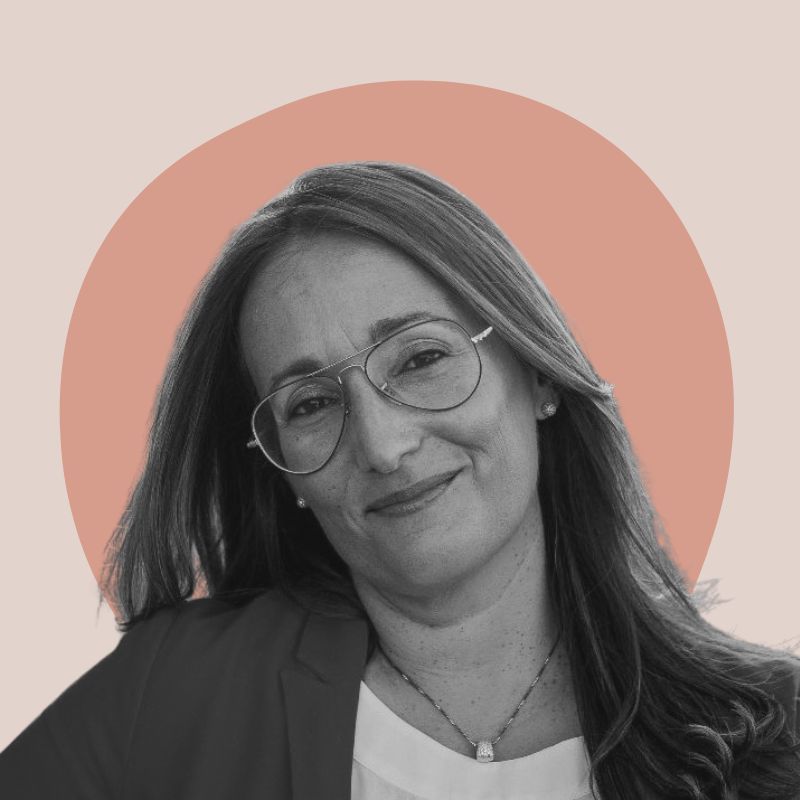
For more than twenty-five years, Norma Camilleri's profession was, quite literally, the human voice. A Speech-Language Pathologist from Xagħra, Gozo, she specialised in Voice itself — she set up the Voice Clinic within Malta's speech-language department and spent a career helping people who had lost the ability to speak, or to be understood, find their way back to it. She led her field rather than simply practising it: President of Malta's Association of Speech-Language Pathologists since 2014, then President of the European body, ESLA, which she steered through a full restructuring. She has carried the same instinct into public life — championing access to healthcare as a right, mental health, and the quiet survival of Gozo's communities, the island within the island that is forever spoken about and rarely spoken to. She stood on the 13th district, Gozo, the place that raised her, and the mechanism is now set to bring her in as the strongest of the party's newcomers. She has spent her life listening to people the rest of the world stopped hearing.
"She spent a quarter of a century teaching people how to be heard again — the ones whose voices had been taken by illness, by silence, by a system too busy to listen. It is a particular kind of person who builds a career out of giving others back their words, and then walks into the one room in Malta where everyone is shouting."
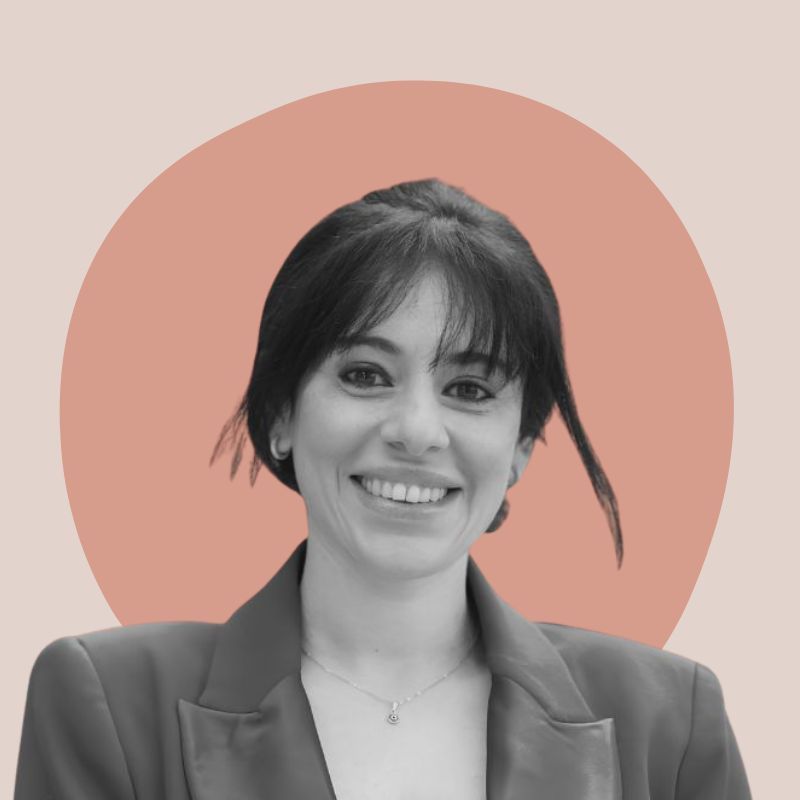
Yana Borg Debono Grech carries one of Labour's oldest names. Her grandfather, Joe Debono Grech, sat in Parliament from 1966 until 2017 — half a century, a minister, a deputy leader, a living piece of the party's history. Her mother, Joanne, was mayor of Birkirkara for eleven years, until her death in 2025. Yana, in her early thirties and a local councillor in the same town, could have simply inherited all of it. Instead, in 2024, she did the one thing a dynasty is not supposed to do: she broke ranks. Ordered by the party to back a particular candidate for the Birkirkara mayoralty, she refused and abstained — even though she had won the highest personal vote of any councillor in the locality. The Prime Minister spent the following days trying to coax her back. She is now set to enter Parliament carrying three generations of Labour loyalty and a demonstrated willingness to defy it on principle. That combination is rarer than any surname.
"She was handed a name that opens every door in the party, and the first thing she did with it was refuse an order. A bloodline can make you obedient or it can make you fearless. In her it seems to have done the harder thing — it made her her own."
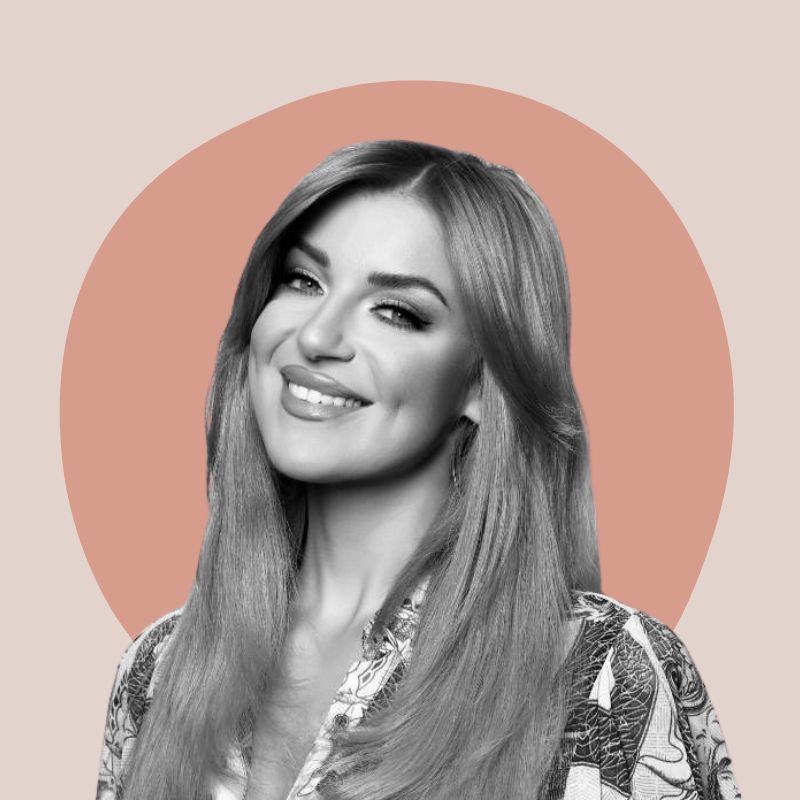
Most people are told, sooner or later, to pick a lane. Marilena Gauci never did. She holds an Honours Degree in Economics and a Master's in Behavioural Economics — the study of why people make the irrational choices that the textbooks pretend they don't — and she built that expertise into real work: policy at the Malta Chamber of Commerce, EU funding initiatives at the University of Malta, and eventually her own business. Then there is the other half of her life: a career in theatre, music, television and entertainment deep enough that she was elected Vice President of the Malta Entertainment Industry Association (MEIA), the body that fights for the country's artists and creatives. Add to that a stint as a Miss Universe Malta contestant and volunteer work as a clown doctor in hospital wards, and a pattern emerges — not a scattered life, but a deliberately whole one. She stood on the 9th district and fell short of a seat, but the mechanism is set to bring her in. She understands two things Malta usually keeps in separate rooms: how money actually moves, and what makes life worth the earning of it.
"She reads a spreadsheet and a stage with the same fluency, which is rarer than it sounds — most people who understand money have forgotten what it is for, and most people who understand beauty have never had to fund it. She is one of the few who can hold both numbers in her head at once: the cost of a thing, and its worth."
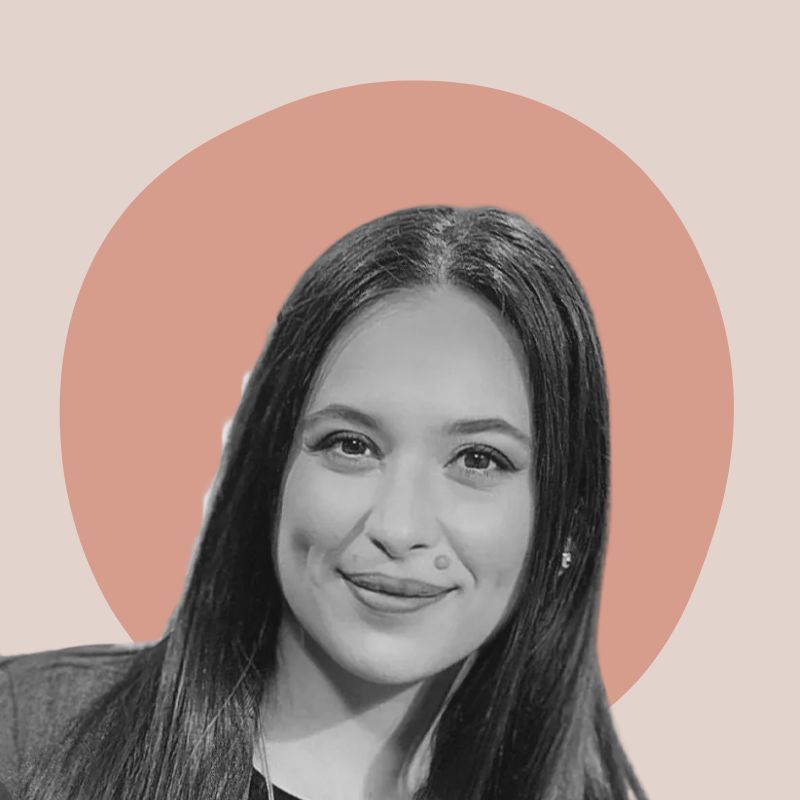
Francesca Zarb is the youngest and least-known name on this list, and that is rather the point. A lawyer from Mosta, she was approved as a Labour candidate only in April 2026, weeks before the election, and sent to contest two districts at once — the 1st and the 11th — the kind of double assignment a party hands to someone it wants to test under pressure. She had no incumbency to lean on, no decade of headlines, no inherited surname doing quiet work in the background. What she had was a law degree and a willingness to walk in cold. Among all of Labour's women carried in by the mechanism, she is the one with the least behind her and, arguably, the most ahead of her. She is set to enter Parliament as a near-blank page — which, in a chamber full of people defined by their pasts, may turn out to be the rarest advantage of all.
"Everyone else on this list arrived carrying something — a title, a bloodline, a famous decade. She arrived carrying a law degree and her own nerve, and somehow ended up in the same room. The ones who start with nothing to defend are usually the ones who turn out to have the most to say."
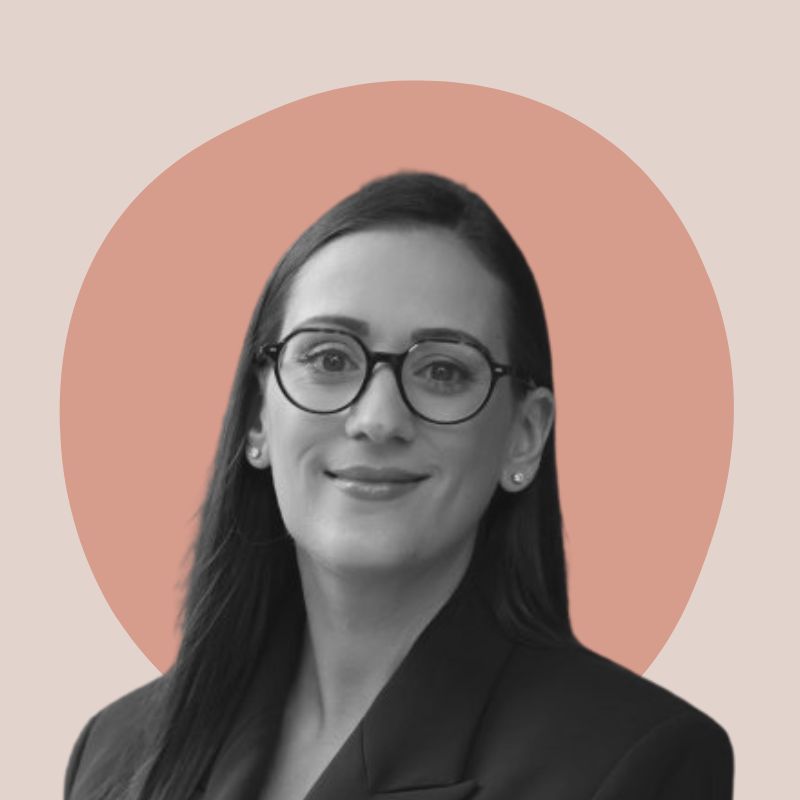
Annabelle Cilia built her politics around a single, stubborn question: if Malta has never been richer, why does everyone seem so tired? President of the Moviment Solidarjetà Ħaddiema Partit Nazzjonalista — the party's workers' movement — she contested a general election for the first time in 2026, standing on the 6th district with quality of life as her entire platform. Her argument is blunt and well-aimed: people are working more and living worse, trading family, friendship and rest for an economic growth that arrives as a number on a chart and never quite as happiness in a home. She talks about the brain drain not as a statistic but as a wound — young Maltese leaving for good, not because they failed here, but because the island stopped feeling like somewhere worth staying. She wants them to build their lives in Malta. To do that, she argues, Malta has to become a place that gives something back beyond a payslip. She is set to enter Parliament asking the question the boom years taught everyone to stop asking.
"She looked at a country congratulating itself on its growth and asked the one question nobody at the party wanted on the agenda: what is all of it actually for? A place can get richer and emptier at the same time — and she seems determined to say so out loud, in the one room built to pretend otherwise."