
PAYO (Nasdaq) · New York, New York
Payoneer
Israeli entrepreneur built a payment platform for the global gig economy in 2005. Amazon, Fiverr, Upwork, and Airbnb run on it. Nuvei acquired it for $2.75 billion in 2026.
Live Price
—
Today
—
Symbol
PAYO (Nasdaq)
2005
Sending $5 from New York to a freelancer in Romania
Yuval Tal founded Payoneer in 2005 in New York with a specific problem in mind: the global freelance market was growing rapidly — software developers in Eastern Europe, designers in Southeast Asia, writers in Latin America — but sending them money was genuinely difficult. Wire transfers were expensive, slow, and required significant documentation. PayPal had geographic restrictions and poor currency conversion rates. Bank accounts in developing countries were often inaccessible to international transfers. Payoneer's solution was a prepaid Mastercard that could be loaded by international companies and used by recipients at any ATM globally — turning the "how do we pay our contractor in Romania" problem into a solved one.
2010
Amazon marketplace, Fiverr, Upwork — the platform integrations
Payoneer's growth accelerated dramatically when major marketplace platforms adopted it as their preferred payout method. Amazon Marketplace sellers — particularly those in China, India, and Eastern Europe who needed to receive their sales proceeds — used Payoneer to receive and repatriate earnings. Fiverr (launched 2010) and Upwork (2013) integrated Payoneer as a payment option for freelancers. Each platform integration brought thousands of new Payoneer users who had no banking relationship sophisticated enough to receive international wire transfers. The network effect compounded: Payoneer was valuable because so many platforms used it; platforms used it because so many freelancers had accounts.
2014
The global gig economy's payment infrastructure
By 2014, Payoneer had processed over $1 billion in total payments across 200+ countries in 150+ currencies. The customer base extended beyond individual freelancers to small and medium enterprises doing cross-border business, Amazon sellers importing from China and selling to the US, and digital marketing agencies paying affiliate commissions globally. The Payoneer card — a physical Mastercard that recipients could use at ATMs worldwide — remained the most distinctive product, but the platform had evolved to include bank transfer capabilities, mass payout tools for platforms managing thousands of recipients, and a working capital product for marketplace sellers.
2021
Nasdaq listing through SPAC — $3.3 billion valuation
Payoneer went public in June 2021 through a merger with a SPAC (special purpose acquisition company), listing on Nasdaq under the ticker PAYO at a valuation of approximately $3.3 billion. The IPO gave early investors — including Wellington Management and various technology-focused funds — liquidity, and gave Payoneer capital to accelerate product development and geographic expansion. The company had processed approximately $44 billion in payments in 2020, growing substantially during the COVID-19 pandemic as remote work and cross-border e-commerce accelerated.
2026
Nuvei acquires Payoneer for $2.75 billion — the gig economy exits mainstream
In June 2026, Nuvei Corporation — the Montreal-based fintech that had taken itself private for $6.3 billion in 2024 — announced the acquisition of Payoneer for $2.75 billion in cash. The deal created a combined payment infrastructure processing over $500 billion in annual volume, serving merchants, platforms, and freelancers across 190+ countries. For Payoneer's 2.5 million small business customers and the tens of millions of freelancers who used its platform, the acquisition represented the absorption of the gig economy's payment infrastructure into a larger fintech group. The Israeli entrepreneur who had set out to solve the "how do we pay a Romanian freelancer" problem in 2005 had built one of the essential pieces of the global digital economy.
Frequently Asked Questions
Who founded Payoneer?
Payoneer was founded by Yuval Tal.
When was Payoneer founded?
Payoneer was founded in 2005.
Where was Payoneer founded?
Payoneer was headquartered in New York, New York.
Why was Payoneer created?
Yuval Tal founded Payoneer in 2005 in New York with a specific problem in mind: the global freelance market was growing rapidly — software developers in Eastern Europe, designers in Southeast Asia, writers in Latin America — but sending them money was genuinely difficult. Wire transfers were expensive, slow, and required significant documentation. PayPal had geographic restrictions and poor currency conversion rates. Bank accounts in developing countries were often inaccessible to international transfers. Payoneer's solution was a prepaid Mastercard that could be loaded by international companies and used by recipients at any ATM globally — turning the "how do we pay our contractor in Romania" problem into a solved one.
What does Payoneer do?
Israeli entrepreneur built a payment platform for the global gig economy in 2005. Amazon, Fiverr, Upwork, and Airbnb run on it. Nuvei acquired it for $2.75 billion in 2026. Yuval Tal founded Payoneer in 2005 to pay global freelancers. Amazon, Fiverr, and Upwork run on it. $2.75B acquisition by Nuvei in 2026. The full story.
How did Payoneer grow?
In June 2026, Nuvei Corporation — the Montreal-based fintech that had taken itself private for $6.3 billion in 2024 — announced the acquisition of Payoneer for $2.75 billion in cash. The deal created a combined payment infrastructure processing over $500 billion in annual volume, serving merchants, platforms, and freelancers across 190+ countries. For Payoneer's 2.5 million small business customers and the tens of millions of freelancers who used its platform, the acquisition represented the absorption of the gig economy's payment infrastructure into a larger fintech group. The Israeli entrepreneur who had set out to solve the "how do we pay a Romanian freelancer" problem in 2005 had built one of the essential pieces of the global digital economy.
Tools & Platforms
For Investors
The market doesn't care about your feelings.
But your broker's fees do.
But your broker's fees do.
Most people have a brokerage account. Fewer understand what it really costs them — in spreads, in fees, in missed instruments. Malta-regulated, direct market access, 600,000+ instruments.
Exante
Malta MFSA · 50 exchanges
Tickmill
Forex from 0.0 pips
Vantage
Multi-asset trading
Polymarket
Prediction markets
For Entrepreneurs
Opening a US company costs $300.
Most people think it's complicated. It isn't.
Most people think it's complicated. It isn't.
Most founders spend weeks on formation, banking and payments. The ones who move fast know which tools to use before they start. A US LLC, a real business account, and a way to pay people — in that order.
Mercury
Business finance · 300K+ founders
Doola
US LLC formation · YC backed
Melio
B2B payments
Xero 95% OFF
Accounting · 6 months
For C-Suite
Your competitor pays $200 less per month for EOR.
You're still on a spreadsheet.
You're still on a spreadsheet.
BVNK hired 20% of its workforce through Deel. The smartest operators aren't managing payroll complexity — they're outsourcing it. EOR in 150+ countries, multi-currency accounts, workforce payments at $200 less per month than competitors.
Deel
EOR · 150+ countries
Payoneer
$399/mo EOR · Save $200
Wise Business
40+ currencies · No hidden fees
Gusto
US payroll & benefits
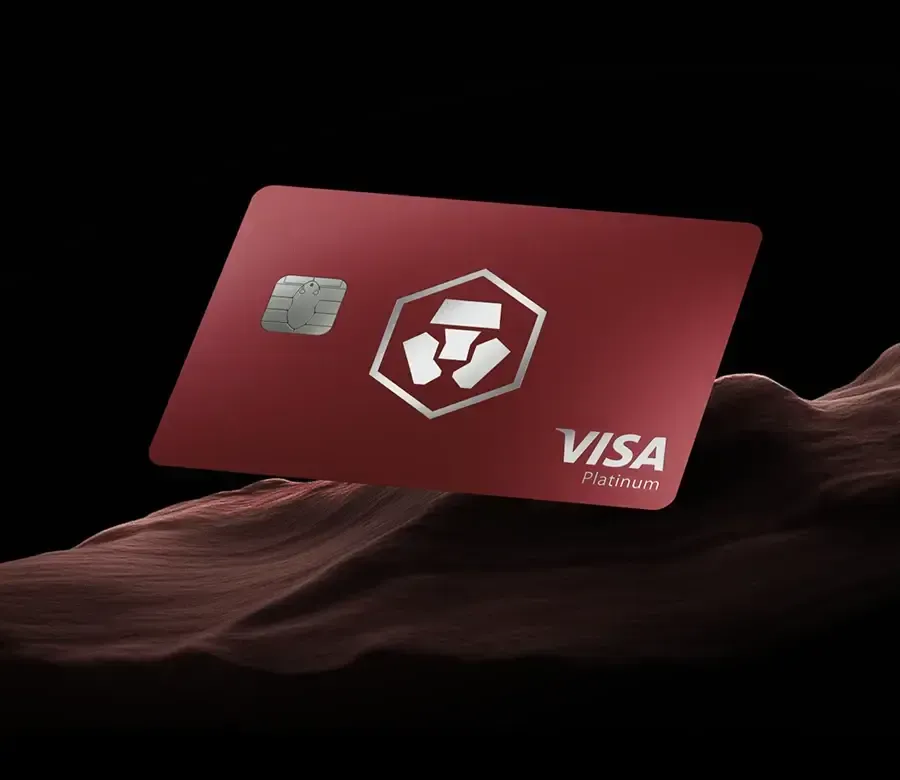
PLUS
2.0%
back in crypto · on every spend
€3.99 / month
or €39.90/year (€3.32/month)
Zero trading fees up to $20K/month
2.0% back in crypto on card spend
0% foreign exchange fees
EUR Cash Yield up to 1.35% p.a.
CRO Yield up to 2.00% p.a.
Virtual Visa card · Flexible cancel
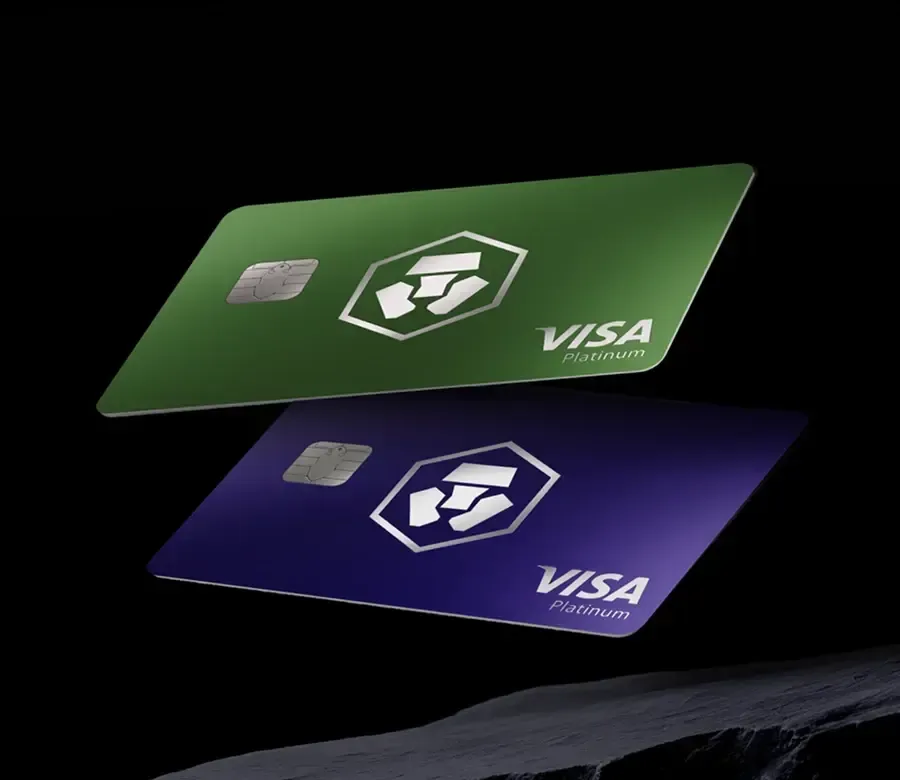
PRO
3.0%
back in crypto · on every spend
€24.99 / month
or €249.90/year (€20.82/month)
Zero trading fees up to $50K/month
3.0% back in crypto on card spend
0% foreign exchange fees
EUR Cash Yield up to 1.70% p.a.
CRO Yield up to 2.50% p.a.
Airport lounge access (Priority Pass)
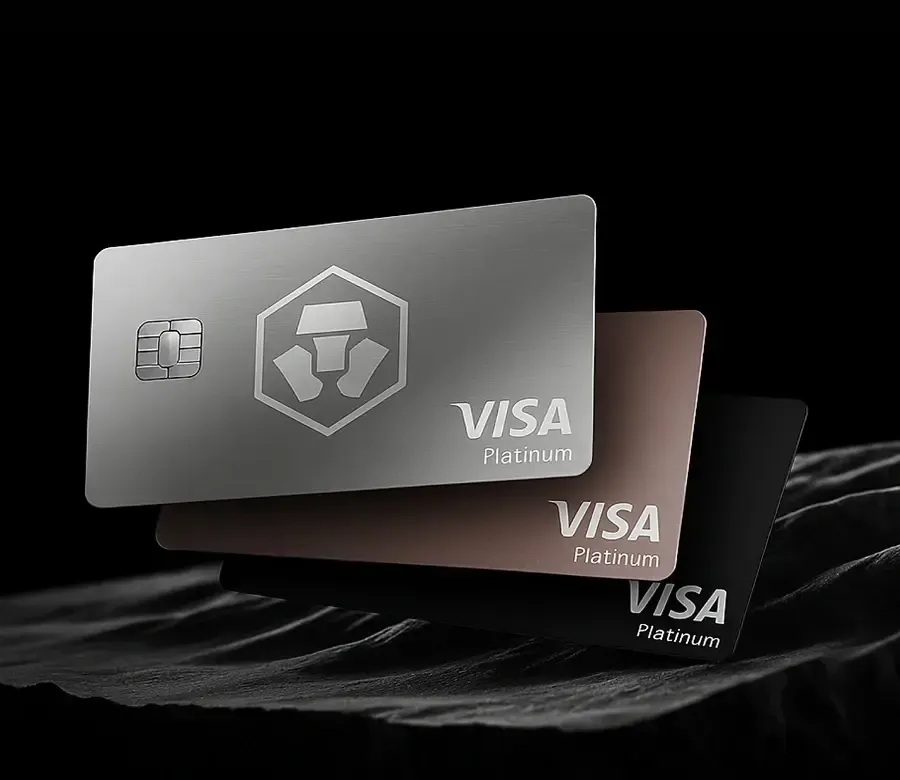
PRIVATE
4–6%
back in crypto · on every spend
CRO Lockup from €45,000
8.5% yield · 12-month staking · €450K tier at 9.5%
Zero trading fees · Unlimited volume
4.0%–6.0% back in crypto
0% foreign exchange fees
EUR Cash Yield up to 1.80% p.a.
Extra 1% p.a. on Earn allocations in CRO
VIP events · Exclusive experiences
8.5% CRO lockup rewards