
AXP · New York City, New York
American Express
Started delivering packages by horse. Invented the traveller's cheque. Warren Buffett bought it during a scandal.
Live Price
—
Today
—
Symbol
AXP
1850
Express delivery in the age of the horse
American Express was founded in 1850 by Henry Wells, William Fargo, and John Butterfield — the same Wells and Fargo who would later found Wells Fargo. The company provided express freight and delivery services in the northeastern United States, competing with the U.S. postal service by offering faster, more reliable delivery of packages, valuables, and cash. In an era before electronic communication, the ability to move physical documents and money quickly was enormously valuable.
1891
The traveller's cheque and the float model
American Express introduced the traveller's cheque in 1891 — a prepaid instrument that could be cashed anywhere in the world, replacing the dangerous practice of carrying cash while travelling. The product generated float — American Express held the money until the cheques were cashed — creating a financial model that would eventually be replicated in the credit card business. By the mid-20th century, American Express processed $5 billion in traveller's cheques annually.
1958
The charge card for the affluent traveller
American Express launched its charge card in 1958 — positioned explicitly for affluent business travellers and executives. Unlike bank credit cards, the American Express card required full payment each month — no revolving credit. The fee-based model and the requirement for creditworthy cardholders created an association with wealth and status that became the brand's defining characteristic. "Don't leave home without it" — the tagline introduced in 1975 — reinforced the card's identity as an essential accessory for serious travellers.
1964
Warren Buffett and the salad oil scandal
Berkshire Hathaway began accumulating American Express shares in 1964 — when the stock was depressed following the "salad oil scandal," in which a fraudster had borrowed hundreds of millions against fictitious vegetable oil inventory that American Express had guaranteed. Buffett concluded that the scandal would damage the stock temporarily but not the underlying business. He was right. Buffett held American Express for decades, eventually owning approximately 20% of the company — one of his most profitable long-term investments. The salad oil scandal became one of the textbook examples of contrarian investing.
2024
$65.9 billion in revenue and the millennial cardmember
American Express reported revenues of $65.9 billion for fiscal year 2024 — up 10% — with net income of $10.1 billion. The company had successfully repositioned from a card for older business travellers to one coveted by younger professionals and millennials, who found the Membership Rewards programme and the Platinum Card's lifestyle benefits aligned with how they wanted to spend. 60% of new card acquisitions in 2024 were from millennials and Gen Z. The rewards ecosystem — points that created switching costs and emotional attachment — had proven more resilient than any other competitive moat in the payments industry.
Frequently Asked Questions
Who founded American Express?
American Express was founded by Henry Wells, William Fargo, John Butterfield.
When was American Express founded?
American Express was founded in 1850.
Where was American Express founded?
American Express was headquartered in New York City, New York.
Why was American Express created?
American Express was founded in 1850 by Henry Wells, William Fargo, and John Butterfield — the same Wells and Fargo who would later found Wells Fargo. The company provided express freight and delivery services in the northeastern United States, competing with the U.S. postal service by offering faster, more reliable delivery of packages, valuables, and cash. In an era before electronic communication, the ability to move physical documents and money quickly was enormously valuable.
What does American Express do?
Started delivering packages by horse. Invented the traveller's cheque. Warren Buffett bought it during a scandal. American Express started delivering packages by horse. Invented the traveller's cheque. Warren Buffett bought it during a fraud scandal. $65.9 billion in revenue. The full story.
How did American Express grow?
American Express reported revenues of $65.9 billion for fiscal year 2024 — up 10% — with net income of $10.1 billion. The company had successfully repositioned from a card for older business travellers to one coveted by younger professionals and millennials, who found the Membership Rewards programme and the Platinum Card's lifestyle benefits aligned with how they wanted to spend. 60% of new card acquisitions in 2024 were from millennials and Gen Z. The rewards ecosystem — points that created switching costs and emotional attachment — had proven more resilient than any other competitive moat in the payments industry.
Tools & Platforms
For Investors
The market doesn't care about your feelings.
But your broker's fees do.
But your broker's fees do.
Most people have a brokerage account. Fewer understand what it really costs them — in spreads, in fees, in missed instruments. Malta-regulated, direct market access, 600,000+ instruments.
Exante
Malta MFSA · 50 exchanges
Tickmill
Forex from 0.0 pips
Vantage
Multi-asset trading
Polymarket
Prediction markets
For Entrepreneurs
Opening a US company costs $300.
Most people think it's complicated. It isn't.
Most people think it's complicated. It isn't.
Most founders spend weeks on formation, banking and payments. The ones who move fast know which tools to use before they start. A US LLC, a real business account, and a way to pay people — in that order.
Mercury
Business finance · 300K+ founders
Doola
US LLC formation · YC backed
Melio
B2B payments
Xero 95% OFF
Accounting · 6 months
For C-Suite
Your competitor pays $200 less per month for EOR.
You're still on a spreadsheet.
You're still on a spreadsheet.
BVNK hired 20% of its workforce through Deel. The smartest operators aren't managing payroll complexity — they're outsourcing it. EOR in 150+ countries, multi-currency accounts, workforce payments at $200 less per month than competitors.
Deel
EOR · 150+ countries
Payoneer
$399/mo EOR · Save $200
Wise Business
40+ currencies · No hidden fees
Gusto
US payroll & benefits
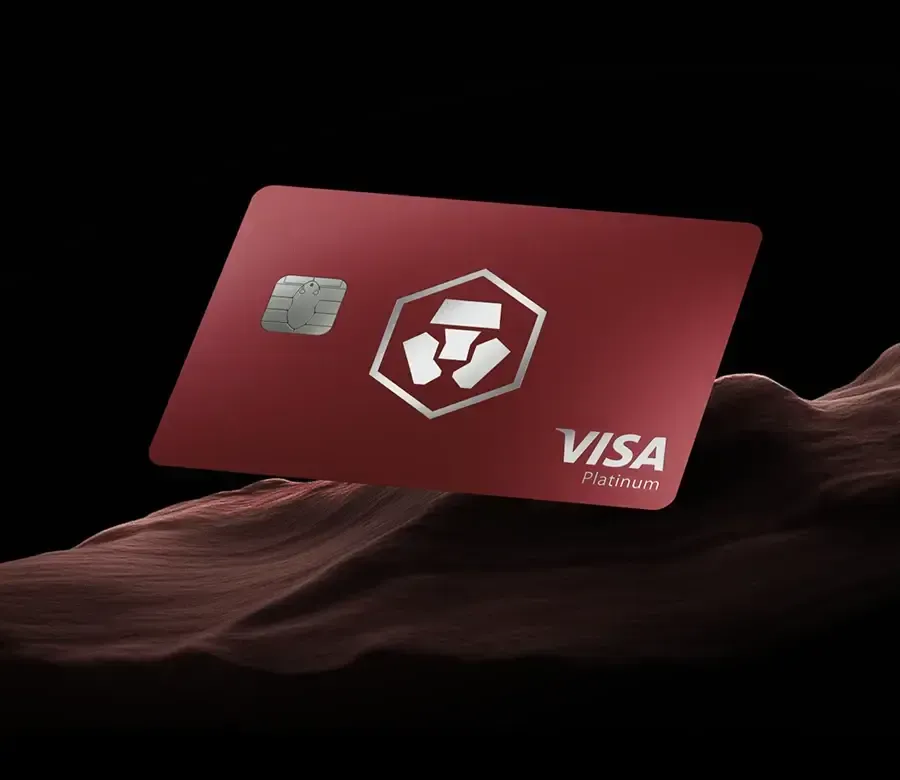
PLUS
2.0%
back in crypto · on every spend
€3.99 / month
or €39.90/year (€3.32/month)
Zero trading fees up to $20K/month
2.0% back in crypto on card spend
0% foreign exchange fees
EUR Cash Yield up to 1.35% p.a.
CRO Yield up to 2.00% p.a.
Virtual Visa card · Flexible cancel
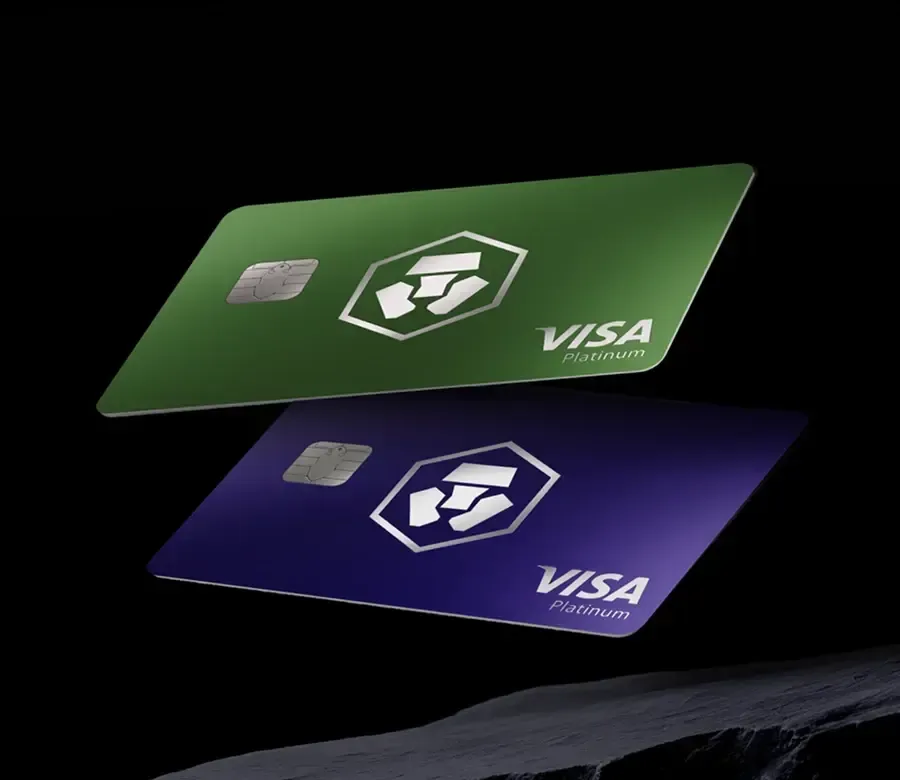
PRO
3.0%
back in crypto · on every spend
€24.99 / month
or €249.90/year (€20.82/month)
Zero trading fees up to $50K/month
3.0% back in crypto on card spend
0% foreign exchange fees
EUR Cash Yield up to 1.70% p.a.
CRO Yield up to 2.50% p.a.
Airport lounge access (Priority Pass)
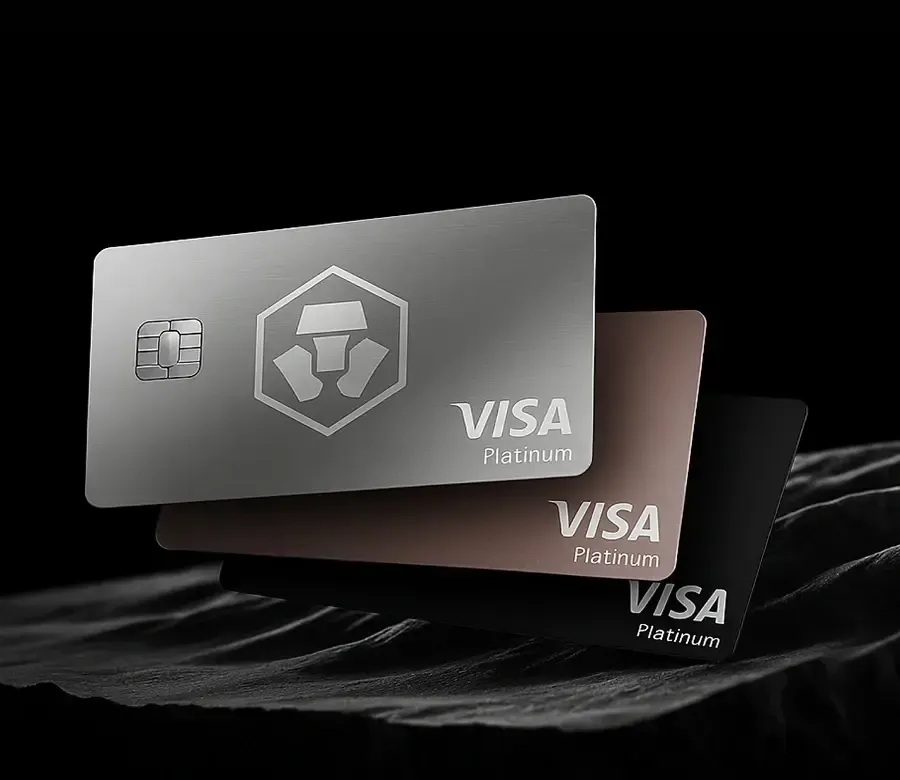
PRIVATE
4–6%
back in crypto · on every spend
CRO Lockup from €45,000
8.5% yield · 12-month staking · €450K tier at 9.5%
Zero trading fees · Unlimited volume
4.0%–6.0% back in crypto
0% foreign exchange fees
EUR Cash Yield up to 1.80% p.a.
Extra 1% p.a. on Earn allocations in CRO
VIP events · Exclusive experiences
8.5% CRO lockup rewards