
ASML · Veldhoven, Netherlands
ASML
The most important company most people have never heard of. Without ASML, there are no advanced chips.
Live Price
—
Today
—
Symbol
ASML
1984
A joint venture in a leaky shed
ASML was founded in 1984 as a joint venture between Philips — the Dutch electronics giant — and Advanced Semiconductor Materials International (ASMI). The company began operations in a temporary shed behind a Philips building in Eindhoven, Netherlands, with 31 employees. Its mission was to build photolithography machines — devices that project circuit patterns onto silicon wafers using light. The machines were already being made by Japanese competitors Nikon and Canon, who dominated the market. ASML was a small, underfunded startup competing against established Japanese industrial giants.
1995
Step-and-scan and the Japanese companies fall behind
ASML introduced the step-and-scan lithography system in 1995 — a technical approach that moved both the mask (pattern) and the wafer during exposure, enabling more precise circuit printing. The innovation proved decisive: ASML's machines could print smaller features more accurately. Semiconductor manufacturers began preferring ASML machines. Nikon and Canon, wedded to their existing approach, struggled to catch up. By the early 2000s, ASML had overtaken both Japanese companies to become the world's largest lithography equipment manufacturer.
2012
Intel, Samsung, and TSMC invest €3.85 billion to save EUV
ASML needed approximately €2.7 billion to develop Extreme Ultraviolet (EUV) lithography — a technology using light with a wavelength of 13.5 nanometres, 70 times shorter than visible light, to print circuit features smaller than anything achievable with conventional light. The investment was beyond ASML's resources. In 2012, ASML's three largest customers — Intel, Samsung, and TSMC — collectively invested €3.85 billion in ASML and took minority stakes, ensuring the EUV programme could proceed. The customers were investing in the supplier whose success was essential to their own.
2018
The EUV machine and the geopolitical chokepoint
ASML shipped its first commercial EUV machines in 2018. Each machine weighs 180 tonnes, contains over 100,000 parts, requires a Boeing 747 and several large cargo planes to deliver, and costs approximately $150-200 million. Only ASML makes them. No EUV machine has ever been successfully replicated. When the U.S. government restricted the sale of advanced ASML machines to Chinese chip manufacturers in 2023, it demonstrated that ASML had become one of the most strategically important companies in the world — a single Dutch company in a converted shed had become a chokepoint in the global semiconductor supply chain.
2025
€32.7 billion in revenue — €38.8 billion backlog — 2030 target €60 billion
ASML reported full-year 2025 revenues of €32.7 billion — up 15.6% — with gross margin of 51.8%. The company closed 2025 with a backlog of €38.8 billion and Q4 2025 net bookings of €13.2 billion — a record — including €7.4 billion of EUV. ASML guided 2030 revenue of €44-60 billion as High-NA EUV (its next-generation lithography technology) ramped and AI-driven chip demand continued expanding. The small startup that had begun in a leaky shed in 1984 had become a €300 billion market cap company and arguably the most strategically indispensable business in the global economy — the sole manufacturer of the machines required to make every advanced AI chip in the world.
Frequently Asked Questions
Who founded ASML?
ASML was founded by Philips, Advanced Semiconductor Materials International.
When was ASML founded?
ASML was founded in 1984.
Where was ASML founded?
ASML was headquartered in Veldhoven, Netherlands.
Why was ASML created?
ASML was founded in 1984 as a joint venture between Philips — the Dutch electronics giant — and Advanced Semiconductor Materials International (ASMI). The company began operations in a temporary shed behind a Philips building in Eindhoven, Netherlands, with 31 employees. Its mission was to build photolithography machines — devices that project circuit patterns onto silicon wafers using light. The machines were already being made by Japanese competitors Nikon and Canon, who dominated the market. ASML was a small, underfunded startup competing against established Japanese industrial giants.
What does ASML do?
The most important company most people have never heard of. Without ASML, there are no advanced chips. ASML makes the only machines that can manufacture advanced AI chips. Founded in a shed in 1984. €32.7 billion in revenue. €38.8 billion backlog. The full story of the world's most important company.
How did ASML grow?
ASML reported full-year 2025 revenues of €32.7 billion — up 15.6% — with gross margin of 51.8%. The company closed 2025 with a backlog of €38.8 billion and Q4 2025 net bookings of €13.2 billion — a record — including €7.4 billion of EUV. ASML guided 2030 revenue of €44-60 billion as High-NA EUV (its next-generation lithography technology) ramped and AI-driven chip demand continued expanding. The small startup that had begun in a leaky shed in 1984 had become a €300 billion market cap company and arguably the most strategically indispensable business in the global economy — the sole manufacturer of the machines required to make every advanced AI chip in the world.
Tools & Platforms
For Investors
The market doesn't care about your feelings.
But your broker's fees do.
But your broker's fees do.
Most people have a brokerage account. Fewer understand what it really costs them — in spreads, in fees, in missed instruments. Malta-regulated, direct market access, 600,000+ instruments.
Exante
Malta MFSA · 50 exchanges
Tickmill
Forex from 0.0 pips
Vantage
Multi-asset trading
Polymarket
Prediction markets
For Entrepreneurs
Opening a US company costs $300.
Most people think it's complicated. It isn't.
Most people think it's complicated. It isn't.
Most founders spend weeks on formation, banking and payments. The ones who move fast know which tools to use before they start. A US LLC, a real business account, and a way to pay people — in that order.
Mercury
Business finance · 300K+ founders
Doola
US LLC formation · YC backed
Melio
B2B payments
Xero 95% OFF
Accounting · 6 months
For C-Suite
Your competitor pays $200 less per month for EOR.
You're still on a spreadsheet.
You're still on a spreadsheet.
BVNK hired 20% of its workforce through Deel. The smartest operators aren't managing payroll complexity — they're outsourcing it. EOR in 150+ countries, multi-currency accounts, workforce payments at $200 less per month than competitors.
Deel
EOR · 150+ countries
Payoneer
$399/mo EOR · Save $200
Wise Business
40+ currencies · No hidden fees
Gusto
US payroll & benefits
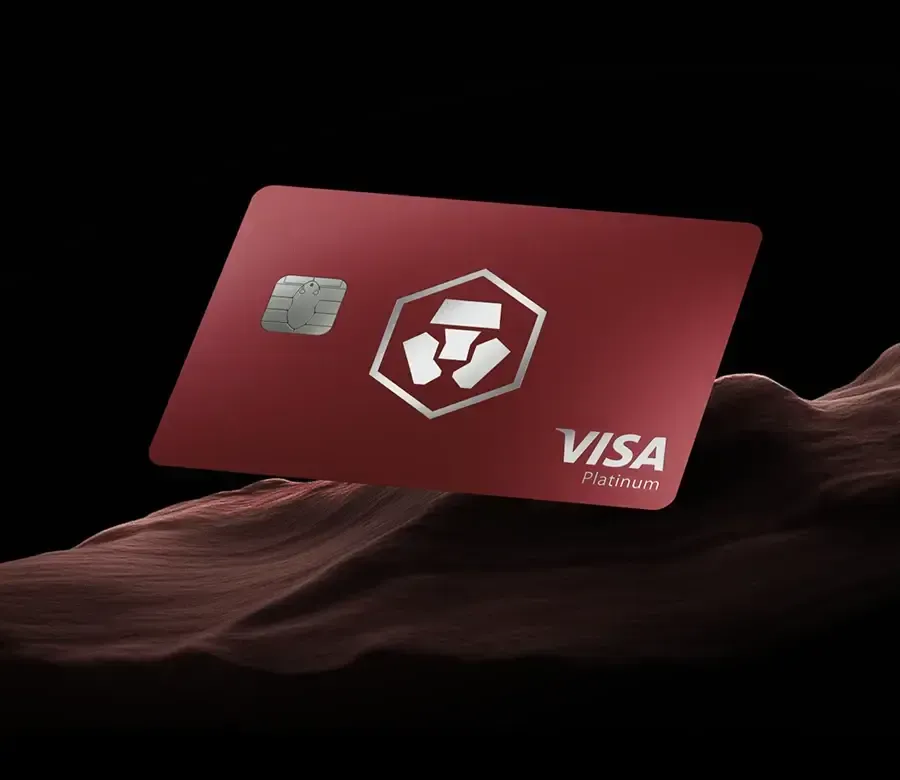
PLUS
2.0%
back in crypto · on every spend
€3.99 / month
or €39.90/year (€3.32/month)
Zero trading fees up to $20K/month
2.0% back in crypto on card spend
0% foreign exchange fees
EUR Cash Yield up to 1.35% p.a.
CRO Yield up to 2.00% p.a.
Virtual Visa card · Flexible cancel
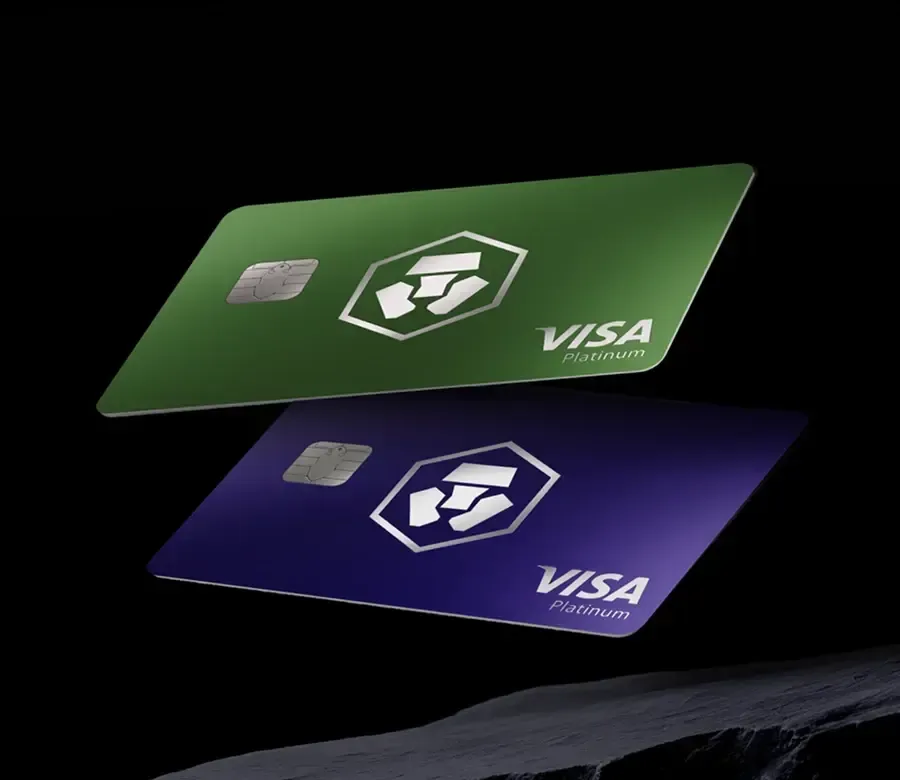
PRO
3.0%
back in crypto · on every spend
€24.99 / month
or €249.90/year (€20.82/month)
Zero trading fees up to $50K/month
3.0% back in crypto on card spend
0% foreign exchange fees
EUR Cash Yield up to 1.70% p.a.
CRO Yield up to 2.50% p.a.
Airport lounge access (Priority Pass)
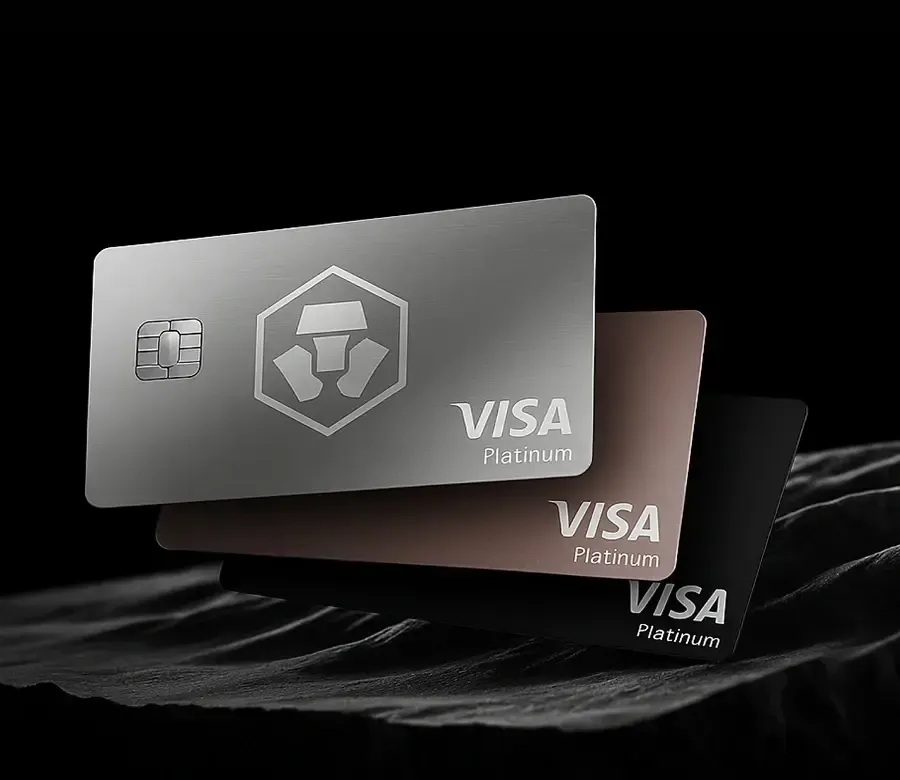
PRIVATE
4–6%
back in crypto · on every spend
CRO Lockup from €45,000
8.5% yield · 12-month staking · €450K tier at 9.5%
Zero trading fees · Unlimited volume
4.0%–6.0% back in crypto
0% foreign exchange fees
EUR Cash Yield up to 1.80% p.a.
Extra 1% p.a. on Earn allocations in CRO
VIP events · Exclusive experiences
8.5% CRO lockup rewards