
BMW.DE · Munich, Germany
BMW
Started making aircraft engines. Banned from making them. Bought Rover for £800M and sold it for £10. Kept Mini and Rolls-Royce.
Live Price
—
Today
—
Symbol
BMW.DE
1916
Aircraft engines in wartime Bavaria
BMW — Bayerische Motoren Werke, or Bavarian Motor Works — was founded in Munich in 1916 to manufacture aircraft engines for the German military. The company's logo, a white and blue propeller against a sky background, reflects these aviation origins. The war ended in 1918. Aircraft engine production was prohibited by the Treaty of Versailles. BMW needed a new product.
1923
Motorcycles, then cars
BMW produced its first motorcycle, the R 32, in 1923 — a flat-twin design that established the layout BMW motorcycles still use today. The company entered automobile production in 1928 by acquiring the Eisenach vehicle factory. The acquisition gave BMW manufacturing capability; the engineering culture from aircraft and motorcycle production gave it a performance orientation that would eventually define the brand.
1945
Bombed flat, rescued by the Quandts
BMW's Munich factory was almost completely destroyed by Allied bombing during World War II. BMW survived by making pots, pans, and bicycles. When automobile production was permitted again, BMW had to start from scratch. The company nearly went bankrupt in 1959 before a rescue by the Quandt family — who remain the company's controlling shareholders today and whose wealth is tied entirely to BMW's performance.
1975
The Ultimate Driving Machine
BMW's U.S. marketing campaign launched the slogan "The Ultimate Driving Machine" in 1975 — one of the most enduring advertising claims in automotive history. The 3 Series, launched in 1975, became the best-selling luxury car in history and the vehicle that defined the compact executive segment. BMW's engineering philosophy consistently prioritised driver engagement over passenger comfort, giving it a devoted following that competitors could not easily replicate.
1994
Rover for £800 million. Sold for £10. Kept Mini and Rolls-Royce.
BMW acquired the British Rover Group in 1994 for £800 million in what became one of the most disastrous automotive acquisitions in history. Rover's manufacturing quality was poor, its products were outdated, and its labour relations were toxic. BMW invested billions attempting to turn Rover around. By 2000, BMW sold Rover for £10 — essentially giving it away — retaining only the Mini brand and the Rolls-Royce name rights. The Mini, relaunched in 2001 as a premium product, became one of the most successful automotive reinventions of the century. Rolls-Royce, produced from a new factory in Goodwood from 2003, became the world's most profitable luxury car brand per unit sold. The worst acquisition in automotive history produced two of BMW's greatest assets.
The Numbers
market cap
$39.8B (July 2026)
revenue
$168.3B (FY2025)
net income
$11.8B (FY2025)
employees
154,000
ipo year
1916
ipo price
N/A
current ceo
Oliver Zipse
revenue forecast
$172.5B (2026 analyst consensus)
Who Owns BMW
Stefan Quandt
Anchor billionaire family shareholder
Susanne Klatten
Anchor billionaire family shareholder
BlackRock
Institutional holder
Public float
Remaining shares publicly traded
Frequently Asked Questions
Who founded BMW?
BMW was founded by Franz Josef Popp, Karl Rapp, Camillo Castiglioni.
When was BMW founded?
BMW was founded in 1916.
Where was BMW founded?
BMW was headquartered in Munich, Germany.
Why was BMW created?
BMW — Bayerische Motoren Werke, or Bavarian Motor Works — was founded in Munich in 1916 to manufacture aircraft engines for the German military. The company's logo, a white and blue propeller against a sky background, reflects these aviation origins. The war ended in 1918. Aircraft engine production was prohibited by the Treaty of Versailles. BMW needed a new product.
What does BMW do?
Started making aircraft engines. Banned from making them. Bought Rover for £800M and sold it for £10. Kept Mini and Rolls-Royce. BMW made aircraft engines, was banned, bought Rover for £800M, sold it for £10, kept Mini and Rolls-Royce. The full story of Bayerische Motoren Werke.
How did BMW grow?
BMW acquired the British Rover Group in 1994 for £800 million in what became one of the most disastrous automotive acquisitions in history. Rover's manufacturing quality was poor, its products were outdated, and its labour relations were toxic. BMW invested billions attempting to turn Rover around. By 2000, BMW sold Rover for £10 — essentially giving it away — retaining only the Mini brand and the Rolls-Royce name rights. The Mini, relaunched in 2001 as a premium product, became one of the most successful automotive reinventions of the century. Rolls-Royce, produced from a new factory in Goodwood from 2003, became the world's most profitable luxury car brand per unit sold. The worst acquisition in automotive history produced two of BMW's greatest assets.
Who owns BMW?
Stefan Quandt owns 25.8%. Susanne Klatten owns 20.9%. BlackRock owns ~3.2%. Public float owns ~50.1% (Anchor billionaire family shareholder)
How much of BMW does Stefan Quandt own?
Stefan Quandt owns 25.8% (Anchor billionaire family shareholder)
When did BMW go public?
BMW had its IPO in 1916, with an initial share price of N/A.
How many employees does BMW have?
BMW has approximately 154,000 employees.
What is BMW's revenue?
BMW generated $168.3B (FY2025) in revenue. Analysts forecast $172.5B (2026 analyst consensus).
What is BMW's market cap?
BMW has a market capitalisation of $39.8B (July 2026).
Who is the CEO of BMW?
The current CEO of BMW is Oliver Zipse.
Tools & Platforms
For Investors
The market doesn't care about your feelings.
But your broker's fees do.
But your broker's fees do.
Most people have a brokerage account. Fewer understand what it really costs them — in spreads, in fees, in missed instruments. Malta-regulated, direct market access, 600,000+ instruments.
Exante
Malta MFSA · 50 exchanges
Tickmill
Forex from 0.0 pips
Vantage
Multi-asset trading
Polymarket
Prediction markets
For Entrepreneurs
Opening a US company costs $300.
Most people think it's complicated. It isn't.
Most people think it's complicated. It isn't.
Most founders spend weeks on formation, banking and payments. The ones who move fast know which tools to use before they start. A US LLC, a real business account, and a way to pay people — in that order.
Mercury
Business finance · 300K+ founders
Doola
US LLC formation · YC backed
Melio
B2B payments
Xero 95% OFF
Accounting · 6 months
For C-Suite
Your competitor pays $200 less per month for EOR.
You're still on a spreadsheet.
You're still on a spreadsheet.
BVNK hired 20% of its workforce through Deel. The smartest operators aren't managing payroll complexity — they're outsourcing it. EOR in 150+ countries, multi-currency accounts, workforce payments at $200 less per month than competitors.
Deel
EOR · 150+ countries
Payoneer
$399/mo EOR · Save $200
Wise Business
40+ currencies · No hidden fees
Gusto
US payroll & benefits
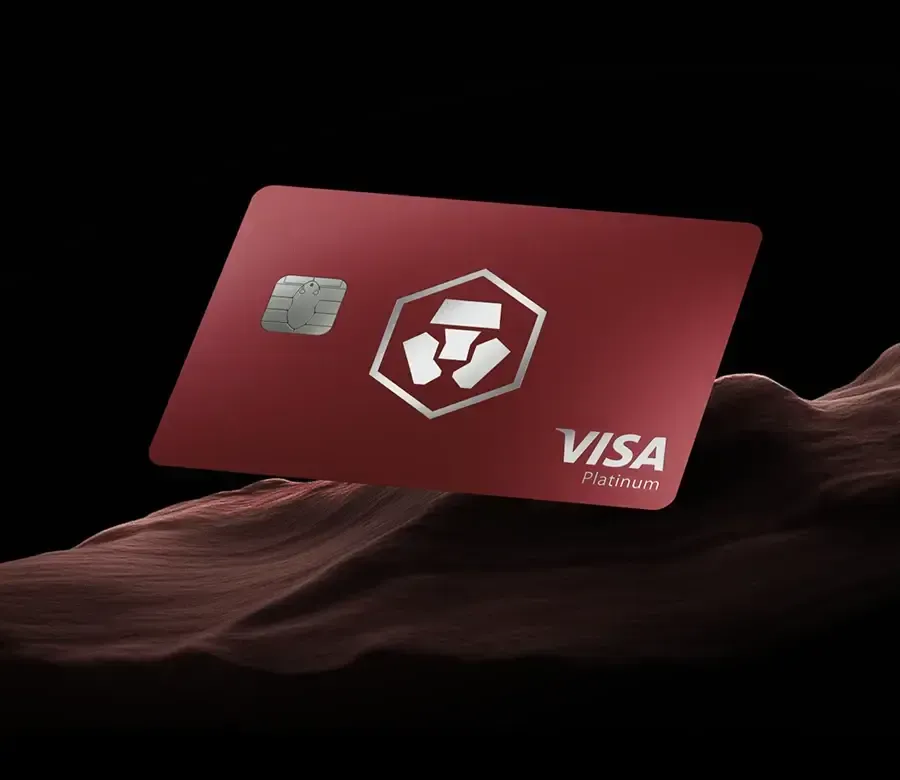
PLUS
2.0%
back in crypto · on every spend
€3.99 / month
or €39.90/year (€3.32/month)
Zero trading fees up to $20K/month
2.0% back in crypto on card spend
0% foreign exchange fees
EUR Cash Yield up to 1.35% p.a.
CRO Yield up to 2.00% p.a.
Virtual Visa card · Flexible cancel
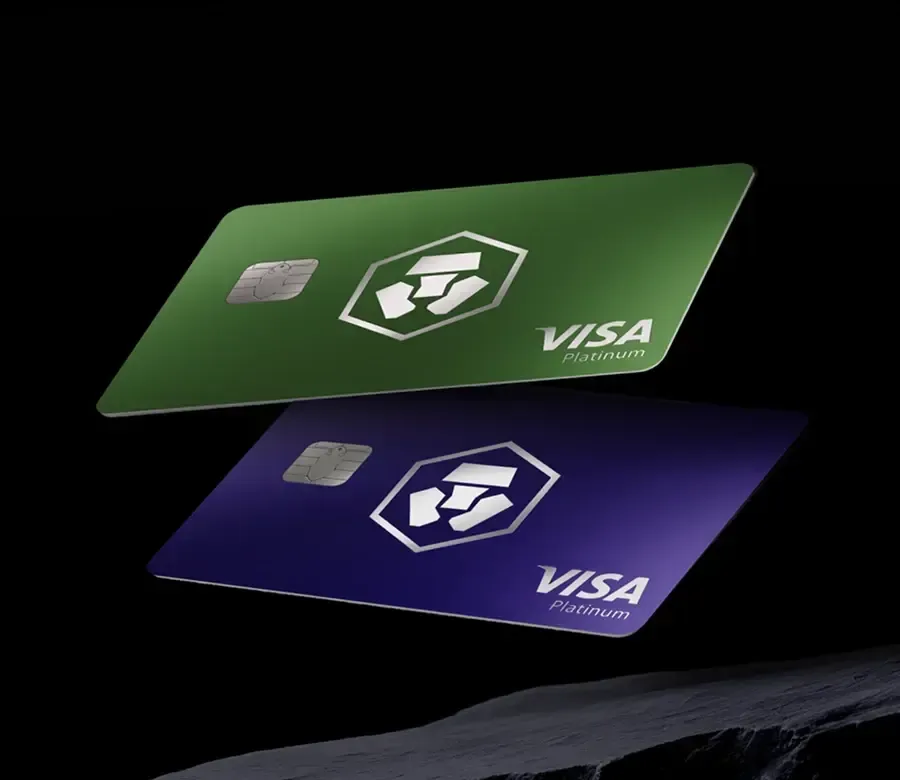
PRO
3.0%
back in crypto · on every spend
€24.99 / month
or €249.90/year (€20.82/month)
Zero trading fees up to $50K/month
3.0% back in crypto on card spend
0% foreign exchange fees
EUR Cash Yield up to 1.70% p.a.
CRO Yield up to 2.50% p.a.
Airport lounge access (Priority Pass)
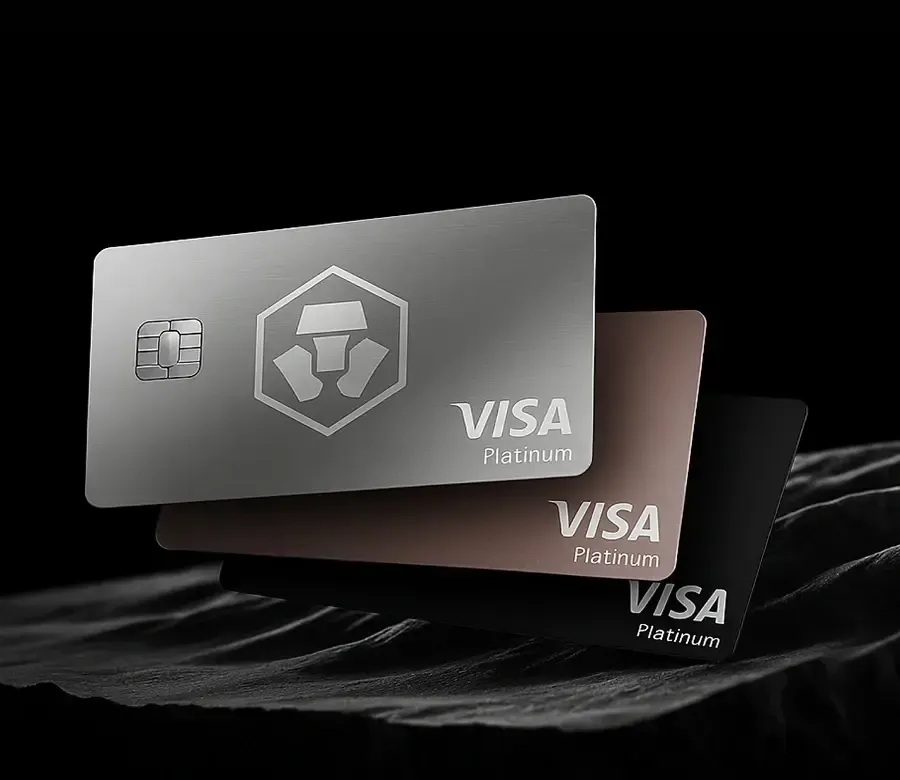
PRIVATE
4–6%
back in crypto · on every spend
CRO Lockup from €45,000
8.5% yield · 12-month staking · €450K tier at 9.5%
Zero trading fees · Unlimited volume
4.0%–6.0% back in crypto
0% foreign exchange fees
EUR Cash Yield up to 1.80% p.a.
Extra 1% p.a. on Earn allocations in CRO
VIP events · Exclusive experiences
8.5% CRO lockup rewards
Also in The Garage
Mercedes-Benz
Invented the car in 1885. Paid $36 billion for Chrysler. Sold it for $7.4 billion. Still here.
Audi (Volkswagen Group)
The progressive engineering core of the premium German trio, embedding quattro all-wheel drive into sophisticated luxury cars.