
Honor vs Xiaomi
Founding story, key facts and history — side by side.
Honor
Honor was Huawei's budget brand. When US sanctions threatened to kill it, Huawei sold it. Free from the blacklist, Honor became China's fastest-growing smartphone comeback.
| Founded | 2013 (as Huawei sub-brand); 2020 (independent) |
| Founders | Huawei Technologies (origin); George Zhao (current CEO) |
| HQ | Shenzhen, China |
| Symbol | Private (state consortium + employees) |
VS
Xiaomi
Called China's cheap Apple. Built an EV in three years. Delivered 500,000 of them in 19 months.
| Founded | 2010 |
| Founders | Lei Jun |
| HQ | Beijing, China |
| Symbol | 1810.HK |
The Story — Side by Side
2013
Huawei's internet-first sub-brand — beating Xiaomi at its own game
Honor was launched by Huawei in 2013 as an internet-direct sub-brand aimed specifically at younger, tech-savvy consumers — a response to the rising threat of Xiaomi, which was disrupting the Chinese smartphone market with high-spec phones sold at near-cost through flash sales. Honor operated with leaner margins, faster update cycles, and social media-first marketing that Huawei's main brand couldn't easily adopt without damaging its premium positioning. By 2020, Honor had shipped over 70 million devices annually and was one of the top-five smartphone brands in China.
2020
The Huawei entity list — and the decision to sell Honor to survive
When the US Department of Commerce expanded its export restrictions against Huawei in 2020 to cover all chips manufactured with US technology, Huawei faced an existential choice about its sub-brands. Honor, as a wholly-owned Huawei subsidiary, was caught in the same sanctions — it couldn't source chips, access Google services, or operate internationally. In November 2020, Huawei sold Honor to a consortium of approximately 40 agents and dealers, led by Shenzhen government-backed entities, for approximately 100 billion yuan (around $15 billion). The transaction was specifically structured to ensure Honor's independence from Huawei — removing it from the entity list and restoring its access to Qualcomm chips and Google services.
2021
Free from sanctions — and the comeback begins
As an independent company, Honor was immediately removed from the US sanctions list, restoring its ability to source Qualcomm Snapdragon processors, use Google's Android operating system and app store, and operate in international markets. The transition was managed by George Zhao, who had led Honor within Huawei and remained as CEO of the independent company. Honor launched the Honor 50 in 2021 — its first post-independence flagship — complete with Google services. The reconnection to the global smartphone ecosystem allowed Honor to resume partnerships with component suppliers and resume international sales that had been impossible under Huawei's restrictions.
2023
The foldable market — Magic V2, Magic Vs2 — China's thinnest foldable
Honor pursued a distinctive product strategy: competing in the premium foldable segment against Samsung Galaxy Z Fold, where Chinese consumers were willing to pay flagship prices for innovative form factors. The Honor Magic V2 launched in 2023 as the world's thinnest foldable smartphone at 9.9mm — a significant engineering achievement in a category where competitors were routinely producing devices exceeding 12mm when closed. Honor also expanded its AI capabilities, integrating on-device AI features into its MagicOS software stack, and established partnerships with Qualcomm for advanced chip access.
2024
China's fastest-recovering smartphone brand — IPO rumours — 100M+ devices shipped
Honor became one of China's fastest-growing smartphone brands following independence, consistently gaining domestic market share against Xiaomi, OPPO, and Apple. The company reportedly surpassed 100 million cumulative device shipments within its first three years of independence, with particular strength in the mid-to-premium segment. Honor's management had been discussing an IPO — potentially the largest in the Chinese smartphone industry since Xiaomi's 2018 Hong Kong listing — though no formal timeline had been confirmed as of mid-2025. The brand that Huawei had created to fight Xiaomi had survived the loss of its parent, the US sanctions crisis, and the restructuring of the entire Chinese smartphone industry to emerge as one of the most resilient hardware brands in China.
2010
The engineer who studied Apple obsessively
Lei Jun founded Xiaomi in April 2010 after selling his previous company UCWeb to Alibaba. Lei had studied Steve Jobs intensively — his presentation style, product philosophy, and retail strategy. Xiaomi's first product was MIUI, a custom version of Android. Lei recruited engineers from Google, Microsoft, and Motorola with an unusual pitch: no salary for the first year, equity instead. All accepted. Lei later said that founding Xiaomi at age 40 was terrifying. He did it anyway.
2011
The $300 flagship that destroyed the market
Xiaomi launched its first smartphone in August 2011 at ¥1,999 — approximately $300 — with specifications that matched phones costing twice as much. The initial 100,000 units sold out in three minutes online. Xiaomi's business model inverted the conventional smartphone industry: sell hardware at cost or below, make money on software, services, and accessories. Samsung and Apple's Chinese market shares began declining almost immediately.
2018
The IPO and the ecosystem empire
Xiaomi went public on the Hong Kong Stock Exchange in July 2018. By this point, the company sold over 200 categories of products through its ecosystem — from smartphones and laptops to rice cookers, air purifiers, electric scooters, and running shoes — all connected through the Xiaomi smart home platform. The company described itself not as a hardware company but as an internet company that happened to make hardware.
2021
Electric cars: three years, 500,000 vehicles
Xiaomi announced its entry into the electric vehicle market in March 2021, with Lei Jun personally committing to lead the project. The Xiaomi SU7 electric sedan launched in March 2024 to extraordinary demand — 88,898 orders in the first 24 hours. Apple had spent a decade trying and failing to build a car. Xiaomi did it in three years. By November 2025 — just 19 months after the first delivery — Xiaomi had delivered 500,000 vehicles. The EV business became profitable in Q3 2025, generating a 25.5% gross margin.
2025
457 billion yuan in revenue — and the YU7 SUV
Xiaomi reported full-year 2025 revenues of 457.3 billion yuan — up 25% — with adjusted net profit of 39.2 billion yuan, up 43.8%. The SU7 sedan ranked as China's best-selling sedan priced above 200,000 yuan in 2025. The YU7 SUV, launched in June 2025, led the mid-to-large SUV segment for seven consecutive months. The updated SU7 generated over 15,000 confirmed orders within 34 minutes of launch in March 2026. The company that had been dismissed as a cheap Apple knockoff had outsold Ford and GM combined in EVs in 2024 and was preparing to launch international sales in Europe in 2027.
Tools & Platforms
For Investors
The market doesn't care about your feelings.
But your broker's fees do.
But your broker's fees do.
Most people have a brokerage account. Fewer understand what it really costs them — in spreads, in fees, in missed instruments. Malta-regulated, direct market access, 600,000+ instruments.
Exante
Malta MFSA · 50 exchanges
Tickmill
Forex from 0.0 pips
Vantage
Multi-asset trading
Polymarket
Prediction markets
For Entrepreneurs
Opening a US company costs $300.
Most people think it's complicated. It isn't.
Most people think it's complicated. It isn't.
Most founders spend weeks on formation, banking and payments. The ones who move fast know which tools to use before they start. A US LLC, a real business account, and a way to pay people — in that order.
Mercury
Business finance · 300K+ founders
Doola
US LLC formation · YC backed
Melio
B2B payments
Xero 95% OFF
Accounting · 6 months
For C-Suite
Your competitor pays $200 less per month for EOR.
You're still on a spreadsheet.
You're still on a spreadsheet.
BVNK hired 20% of its workforce through Deel. The smartest operators aren't managing payroll complexity — they're outsourcing it. EOR in 150+ countries, multi-currency accounts, workforce payments at $200 less per month than competitors.
Deel
EOR · 150+ countries
Payoneer
$399/mo EOR · Save $200
Wise Business
40+ currencies · No hidden fees
Gusto
US payroll & benefits
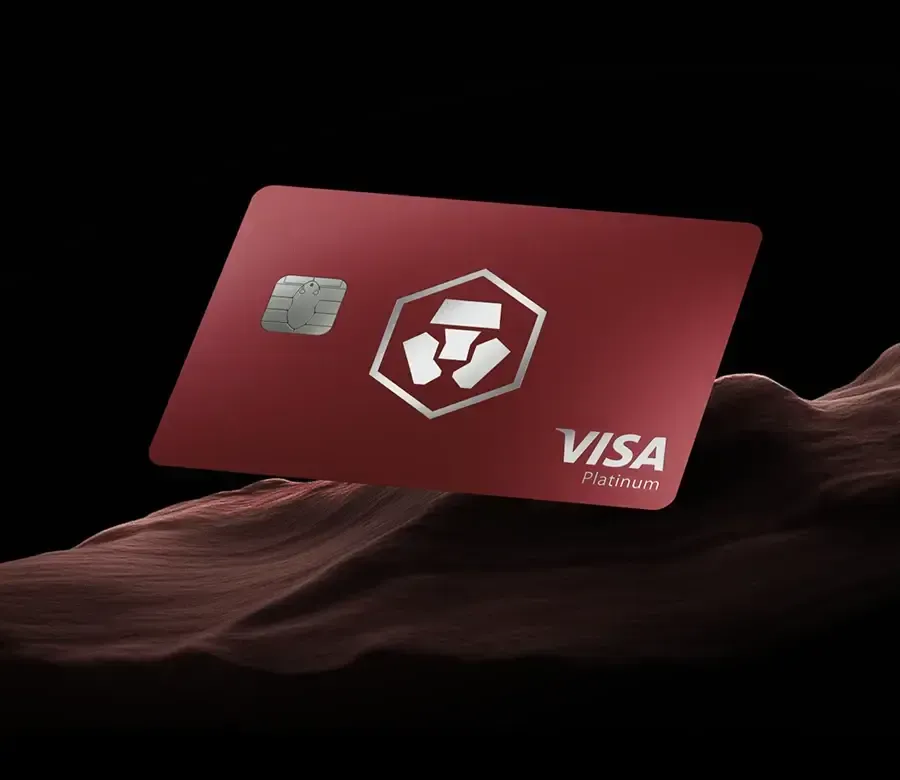
PLUS
2.0%
back in crypto · on every spend
€3.99 / month
or €39.90/year (€3.32/month)
Zero trading fees up to $20K/month
2.0% back in crypto on card spend
0% foreign exchange fees
EUR Cash Yield up to 1.35% p.a.
CRO Yield up to 2.00% p.a.
Virtual Visa card · Flexible cancel
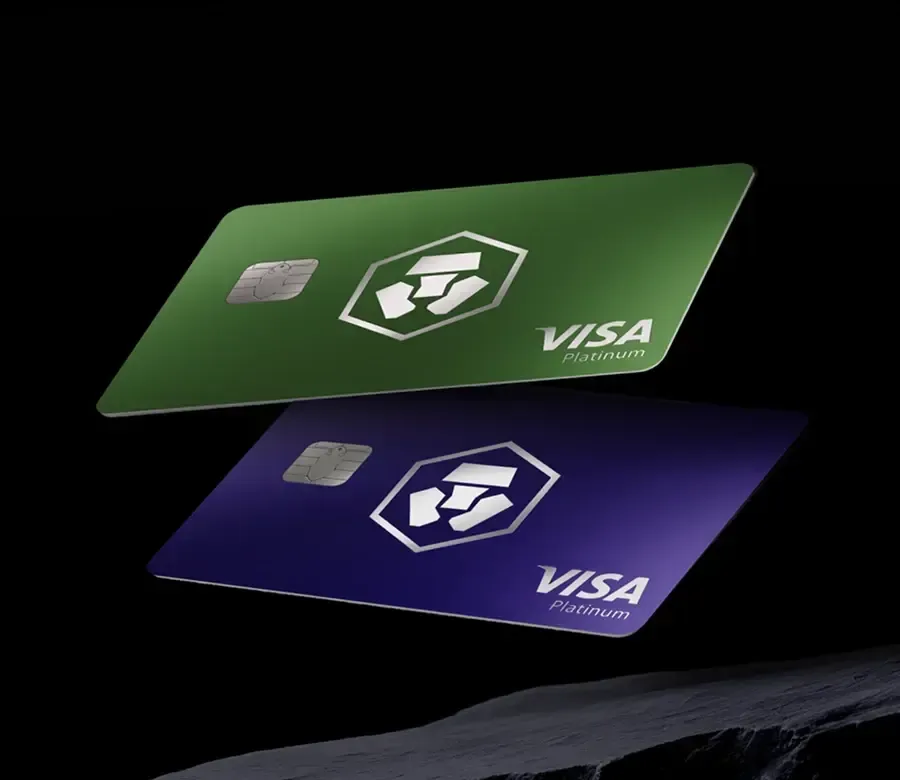
PRO
3.0%
back in crypto · on every spend
€24.99 / month
or €249.90/year (€20.82/month)
Zero trading fees up to $50K/month
3.0% back in crypto on card spend
0% foreign exchange fees
EUR Cash Yield up to 1.70% p.a.
CRO Yield up to 2.50% p.a.
Airport lounge access (Priority Pass)
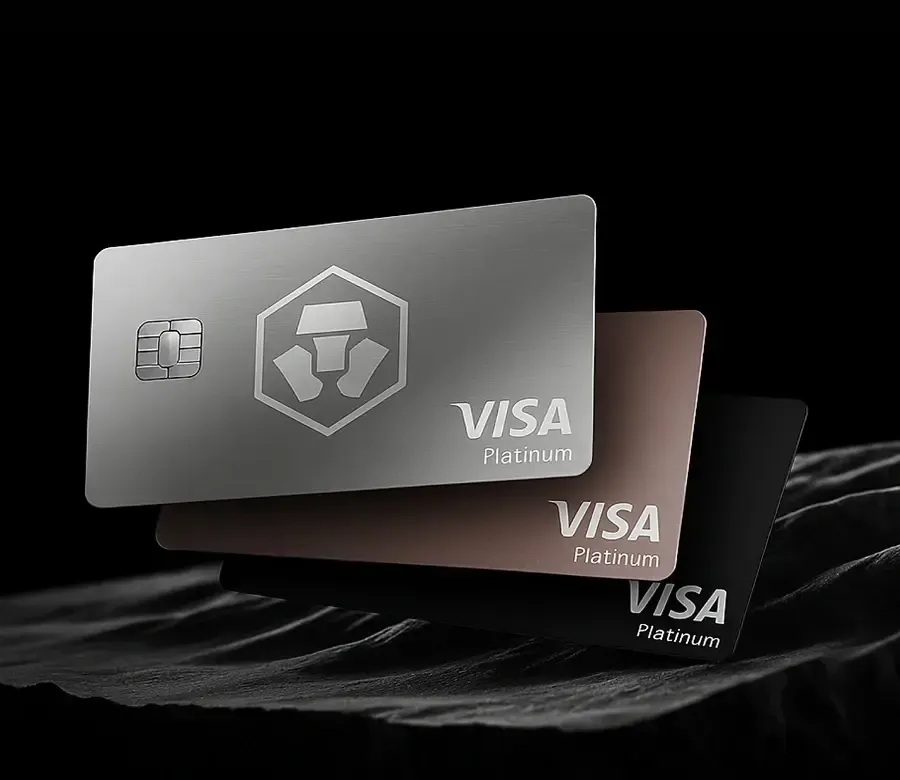
PRIVATE
4–6%
back in crypto · on every spend
CRO Lockup from €45,000
8.5% yield · 12-month staking · €450K tier at 9.5%
Zero trading fees · Unlimited volume
4.0%–6.0% back in crypto
0% foreign exchange fees
EUR Cash Yield up to 1.80% p.a.
Extra 1% p.a. on Earn allocations in CRO
VIP events · Exclusive experiences
8.5% CRO lockup rewards