
Marriott International vs Accor
Founding story, key facts and history — side by side.
Marriott International
A root beer stand in Washington DC in 1927. The world's largest hotel company in 2024. 9,500 properties, 228 million loyalty members, and a $25 billion revenue machine.
| Founded | 1927 |
| Founders | J. Willard Marriott, Alice Sheets Marriott |
| HQ | Bethesda, Maryland |
| Symbol | MAR (Nasdaq) |
VS
Accor
Two French businessmen opened the first budget hotel in France in 1967 with no hotel experience. Built Europe's largest hospitality company. From Ibis to Raffles, 5,700 hotels, 110 countries.
| Founded | 1967 |
| Founders | Paul Dubrule, Gérard Pélisson |
| HQ | Issy-les-Moulineaux, France |
| Symbol | AC.PA (Euronext Paris) |
The Story — Side by Side
1927
A nine-seat root beer stand in Washington DC
J. Willard Marriott and his wife Alice Sheets Marriott — along with partner Hugh Colton, who left within a year — opened a nine-seat A&W Root Beer franchise at 14th Street and Kenyon in Washington DC on May 20, 1927. Marriott was 27 years old, recently married, and had come to DC from Utah after a mission for the Church of Jesus Christ of Latter-day Saints. He'd noticed the city was sweltering in summer — he thought cold drinks would sell. Alice added chilli and tamales to extend the menu through winter. The third Hot Shoppe became the first drive-in restaurant on the East Coast in 1928. Marriott had found his business: feeding people conveniently.
1957
The first hotel — and the son who scaled it globally
Hot Shoppes Inc., as the company was formally named, entered the hotel business in 1957 — thirty years after the root beer stand — opening the Twin Bridges Marriott Motor Hotel in Arlington, Virginia. J.W. "Bill" Marriott Jr., who had grown up in the family business, took over leadership and drove the hotel expansion that defined the company. The Marriott name became synonymous with reliable, mid-to-upper scale American business travel. The company developed the Courtyard brand (1983) for business travellers who wanted value; JW Marriott (1984) for luxury; Fairfield Inn (1987) for economy; Residence Inn for extended stay. Brand segmentation became Marriott's strategic weapon.
1995
Ritz-Carlton, Starwood, and the brand empire
Marriott acquired a 49% stake in The Ritz-Carlton Hotel Company in 1995 — gaining entry into ultra-luxury — and bought the rest in 1998. The decisive acquisition came in 2016: Marriott completed a $13.6 billion takeover of Starwood Hotels and Resorts, which owned Sheraton, Westin, St. Regis, W Hotels, Aloft, and — critically — the Starwood Preferred Guest (SPG) loyalty programme, one of the most valued in the industry. The combined company became the world's largest hotel company by almost any measure. Marriott united Marriott Rewards, Ritz-Carlton Rewards, and SPG into Marriott Bonvoy in 2019.
2018
The data breach — 500 million guest records compromised
In November 2018, Marriott disclosed that its Starwood reservation database had been breached — the hack dated back to 2014, before the acquisition. Approximately 500 million guest records were compromised: names, addresses, phone numbers, email addresses, passport numbers, and credit card data. The breach — attributed to Chinese intelligence services — became one of the largest data security incidents in history. Marriott paid hundreds of millions in regulatory fines and settlements. The incident forced a wholesale upgrade of cybersecurity infrastructure across the combined Marriott-Starwood systems.
2024
9,500 properties — 228 million Bonvoy members — $25.1 billion revenue
Marriott International reported total revenue of $25.1 billion for fiscal year 2024, with a market capitalisation of approximately $80 billion. The company operated over 9,500 properties with approximately 1.7 million rooms across 30+ brands in 144 countries. The Marriott Bonvoy loyalty programme had nearly 228 million members — the largest hotel loyalty programme in the world — generating billions in co-branded credit card revenue independent of hotel occupancy. Marriott's asset-light model — managing and franchising rather than owning hotels — made it one of the most capital-efficient hospitality companies on Earth. The root beer stand J. Willard Marriott had opened with $1,000 had become a $25 billion global empire.
1967
No hotel experience — and France's first budget hotel
Paul Dubrule and Gérard Pélisson were French businessmen without hotel backgrounds when they decided to apply American budget motel concepts to France in 1967. They opened the first Novotel in Lille — a standardised, roadside mid-scale hotel designed for business travellers and families — at a price point that simply did not exist in France at the time. The concept worked: predictable quality, accessible pricing, convenient locations near transport infrastructure. The two founders grew Novotel through the 1970s, adding Ibis (budget) and Sofitel (luxury) to create a segmented portfolio across price points.
1983
Accor is born — and the multi-brand strategy takes shape
In 1983, Novotel and Jacques Borel International — a French catering and hotel company — merged to form Accor. The name Accor reflected the company's ambition to create an "accord" between different hotel categories. Jacques Borel's portfolio added the Sofitel brand and various food service operations. Through the 1980s and 1990s, Accor aggressively expanded internationally, particularly in Africa, Southeast Asia, and Latin America — markets where European luxury brands had not penetrated and where Accor's mid-scale and budget categories created new demand from emerging business travel.
1991
Motel 6, Formula 1 — the economy segment domination
Accor expanded into the ultra-budget segment with the Formula 1 concept — rooms for around €19 per night with shared bathrooms, designed to compete with B&Bs and hostels. The company acquired Motel 6 — the iconic American budget chain ("We'll leave the light on for ya") — in 1990 for $1.3 billion, giving it a major US presence in economy lodging. The combination of Formula 1, Ibis, and Motel 6 made Accor the dominant economy and budget hotel operator in Europe and a significant one in the Americas. The Ibis brand alone would eventually operate thousands of hotels globally.
2016
Raffles, Fairmont, Banyan Tree — the luxury pivot
Accor acquired FRHI Hotels & Resorts — the owner of the Fairmont, Raffles, and Swissôtel brands — for $2.7 billion in 2016, transforming itself from a primarily mid-scale and budget operator into a genuinely full-spectrum hospitality company. Raffles (Singapore, 1887) was one of the most storied hotel brands in the world; Fairmont included iconic properties such as The Savoy in London and Château Frontenac in Quebec City. Accor subsequently invested in Orient Express, developing a portfolio of ultra-luxury train and boat experiences. The budget hotel company from Lille had become a curator of the world's most legendary hospitality assets.
2024
5,700 hotels — 110 countries — ALL loyalty programme 100 million members
Accor operated approximately 5,700 hotels with over 820,000 rooms across 45+ brands in 110 countries as of 2024. The ALL (Accor Live Limitless) loyalty programme had approximately 100 million members. Revenue reached approximately €5.7 billion for 2024. The brand portfolio ranged from economy (ibis budget, hotelF1) through midscale (ibis, Novotel, Mercure) to upscale (Pullman, MGallery) and luxury (Fairmont, Raffles, Orient Express). Accor was the largest hotel company in Europe, the Middle East, Africa, and the Asia-Pacific by number of properties. The two French businessmen who had opened France's first budget hotel with no hotel experience had built one of the world's most geographically diverse hospitality empires.
Tools & Platforms
For Investors
The market doesn't care about your feelings.
But your broker's fees do.
But your broker's fees do.
Most people have a brokerage account. Fewer understand what it really costs them — in spreads, in fees, in missed instruments. Malta-regulated, direct market access, 600,000+ instruments.
Exante
Malta MFSA · 50 exchanges
Tickmill
Forex from 0.0 pips
Vantage
Multi-asset trading
Polymarket
Prediction markets
For Entrepreneurs
Opening a US company costs $300.
Most people think it's complicated. It isn't.
Most people think it's complicated. It isn't.
Most founders spend weeks on formation, banking and payments. The ones who move fast know which tools to use before they start. A US LLC, a real business account, and a way to pay people — in that order.
Mercury
Business finance · 300K+ founders
Doola
US LLC formation · YC backed
Melio
B2B payments
Xero 95% OFF
Accounting · 6 months
For C-Suite
Your competitor pays $200 less per month for EOR.
You're still on a spreadsheet.
You're still on a spreadsheet.
BVNK hired 20% of its workforce through Deel. The smartest operators aren't managing payroll complexity — they're outsourcing it. EOR in 150+ countries, multi-currency accounts, workforce payments at $200 less per month than competitors.
Deel
EOR · 150+ countries
Payoneer
$399/mo EOR · Save $200
Wise Business
40+ currencies · No hidden fees
Gusto
US payroll & benefits
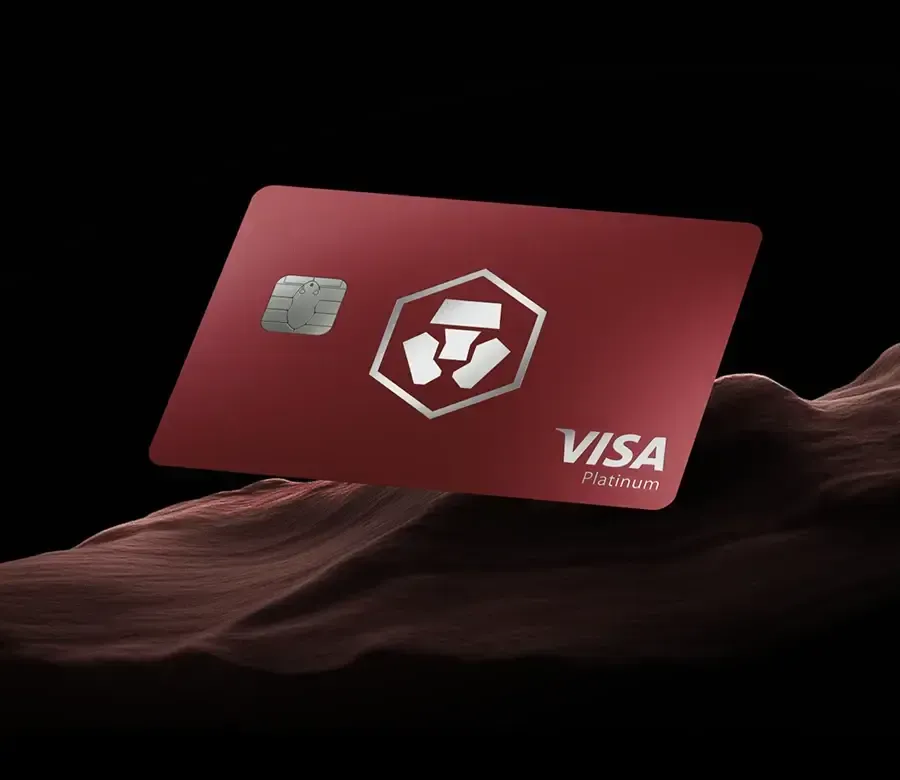
PLUS
2.0%
back in crypto · on every spend
€3.99 / month
or €39.90/year (€3.32/month)
Zero trading fees up to $20K/month
2.0% back in crypto on card spend
0% foreign exchange fees
EUR Cash Yield up to 1.35% p.a.
CRO Yield up to 2.00% p.a.
Virtual Visa card · Flexible cancel
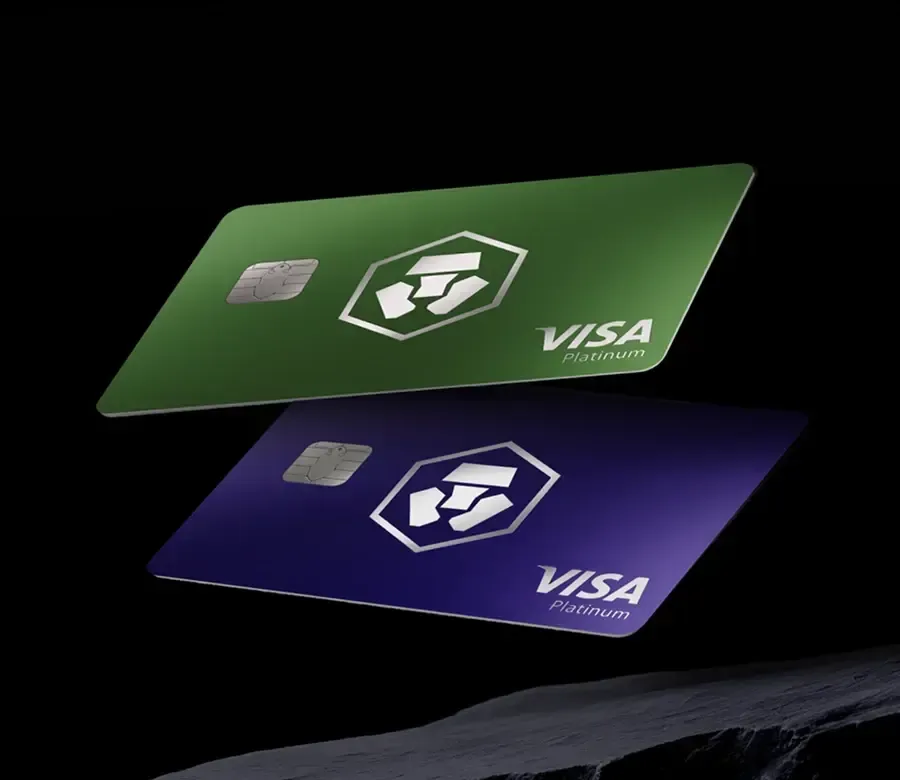
PRO
3.0%
back in crypto · on every spend
€24.99 / month
or €249.90/year (€20.82/month)
Zero trading fees up to $50K/month
3.0% back in crypto on card spend
0% foreign exchange fees
EUR Cash Yield up to 1.70% p.a.
CRO Yield up to 2.50% p.a.
Airport lounge access (Priority Pass)
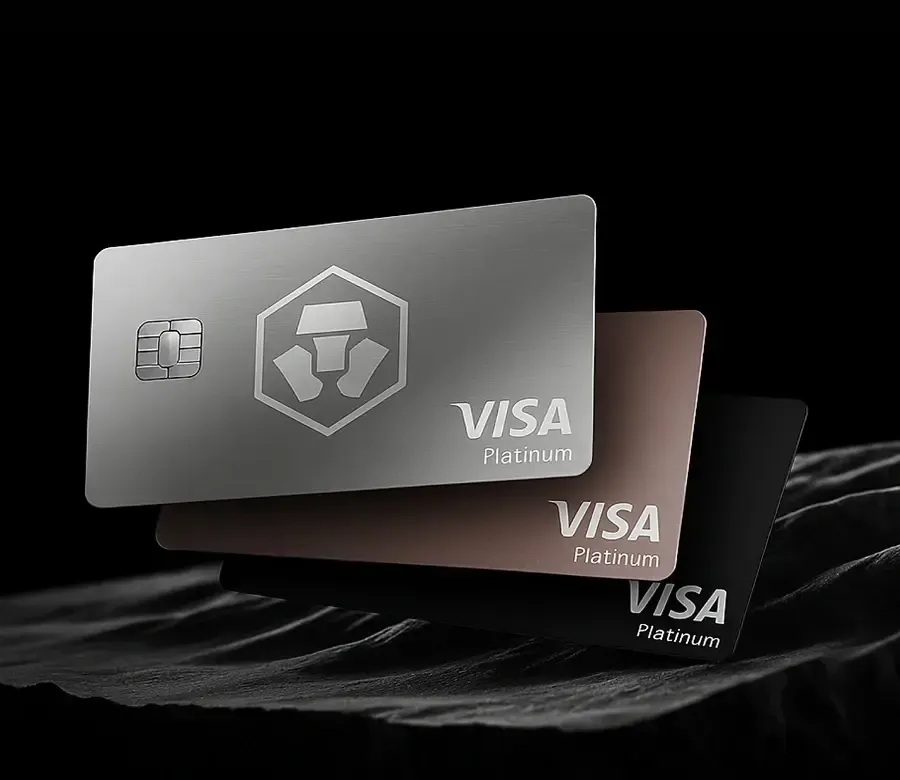
PRIVATE
4–6%
back in crypto · on every spend
CRO Lockup from €45,000
8.5% yield · 12-month staking · €450K tier at 9.5%
Zero trading fees · Unlimited volume
4.0%–6.0% back in crypto
0% foreign exchange fees
EUR Cash Yield up to 1.80% p.a.
Extra 1% p.a. on Earn allocations in CRO
VIP events · Exclusive experiences
8.5% CRO lockup rewards