
Revolut vs PayPal
Founding story, key facts and history — side by side.
Revolut
Started with a prepaid card. Now 70 million users and eyeing a $200 billion IPO.
| Founded | 2015 |
| Founders | Nikolay Storonsky, Vlad Yatsenko |
| HQ | London, United Kingdom |
| Symbol | Private |
VS
PayPal
It was called X.com. Elon Musk was fired on his honeymoon. The Mafia built Silicon Valley.
| Founded | 1998 |
| Founders | Peter Thiel, Max Levchin, Elon Musk |
| HQ | San Jose, California |
| Symbol | PYPL |
The Story — Side by Side
2015
A forex fee too many
Nikolay Storonsky founded Revolut in July 2015 after becoming frustrated with the foreign exchange fees charged by traditional banks. Storonsky, a former derivatives trader at Credit Suisse and Lehman Brothers, launched Revolut with a prepaid card that offered interbank exchange rates with no markup. The product launched at a London fintech event. Three thousand people signed up in the first day. Within a decade, Revolut would become the most valuable fintech startup in European history.
2018
The culture controversy
A 2018 Wired investigation described Revolut's internal culture as one of the most intense in British tech — with employees expected to work unpaid trial periods, leadership described as confrontational, and an obsession with metrics over wellbeing. Storonsky disputed many of the claims but acknowledged that Revolut's early culture had been built for speed over sustainability. The controversy prompted changes to HR practices but did not slow growth. Revolut reached 2 million users that year without a significant marketing budget.
2021
$33 billion and the banking licence battle
Revolut raised funding at a $33 billion valuation in July 2021 — making it the most valuable private technology company in the United Kingdom. Simultaneously, its UK banking licence application stalled at the Financial Conduct Authority for over three years, with regulators reportedly concerned about corporate governance and financial controls. The wait became a symbol of European regulators' difficulty keeping pace with fast-growing fintech companies.
2024
The banking licence arrives — and the valuation jumps to $75 billion
Revolut received its UK banking licence in July 2024 after a three-year wait. In November 2025, a secondary share sale valued the company at $75 billion — with Nvidia's venture arm among the new investors. Full-year 2025 revenue hit $6 billion, up 50% from 2024, with pre-tax profit of $2.3 billion. Revolut processed $1.7 trillion in transaction volume. The company had reached 70 million users globally — more than HSBC and Barclays.
2026
Filing for a US bank charter and targeting $200 billion
In March 2026, Revolut filed for a U.S. national bank charter — a move that would allow it to offer insured deposits and lending to American customers directly. CEO Nikolay Storonsky told investors an IPO was "approximately two years away," with the company targeting a valuation of up to $200 billion when it eventually lists. The prepaid card that had launched to three thousand people in 2015 had become the foundation of one of the most ambitious financial services companies in the world.
1998
Two companies, same idea
PayPal was not originally called PayPal. Confinity — founded by Peter Thiel and Max Levchin — built software that could beam money between PDAs. At the same time, Elon Musk founded X.com, an online bank. In March 2000, they merged. The combined company was renamed PayPal in 2001, after a product Musk reportedly disliked. Musk would spend decades later trying to revive the X name for Twitter.
2000
Musk is ousted as CEO on his honeymoon
While Elon Musk was on his honeymoon in October 2000, the board voted to remove him as CEO and replace him with Peter Thiel. Among the complaints: Musk wanted to migrate the entire payment platform from Unix to Windows servers — a decision engineers considered technically catastrophic. Musk was furious. The company kept Unix. The episode foreshadowed Musk's combative relationship with boards for the next two decades.
2002
eBay acquires PayPal — the Mafia is born
PayPal went public in February 2002. Eight months later, eBay acquired it for $1.5 billion. The group of early PayPal employees — Musk, Thiel, Levchin, Reid Hoffman, David Sacks, Keith Rabois — became known as the "PayPal Mafia." They went on to found or fund LinkedIn, YouTube, Yelp, Palantir, SpaceX, and dozens of other companies. No single company has produced more consequential founders than PayPal.
2015
Separation from eBay
After years of activist investor pressure, eBay spun off PayPal as an independent publicly traded company in July 2015. PayPal's market cap at separation was $46 billion. eBay's was $33 billion. The subsidiary had become more valuable than the parent — a pattern that would repeat across corporate history.
2021
Peak valuation, then the crash
PayPal reached a peak market cap of over $360 billion in July 2021. Then rising interest rates, intensifying competition from Apple Pay, Stripe, Cash App, and Venmo eroded its edge. The stock fell over 75% from its peak by 2022 — one of the most dramatic collapses of any major U.S. fintech. Under new CEO Alex Chriss, appointed in 2023, PayPal pivoted aggressively toward AI-powered checkout tools and merchant services, attempting to recapture relevance in a payments landscape it once dominated.
Tools & Platforms
For Investors
The market doesn't care about your feelings.
But your broker's fees do.
But your broker's fees do.
Most people have a brokerage account. Fewer understand what it really costs them — in spreads, in fees, in missed instruments. Malta-regulated, direct market access, 600,000+ instruments.
Exante
Malta MFSA · 50 exchanges
Tickmill
Forex from 0.0 pips
Vantage
Multi-asset trading
Polymarket
Prediction markets
For Entrepreneurs
Opening a US company costs $300.
Most people think it's complicated. It isn't.
Most people think it's complicated. It isn't.
Most founders spend weeks on formation, banking and payments. The ones who move fast know which tools to use before they start. A US LLC, a real business account, and a way to pay people — in that order.
Mercury
Business finance · 300K+ founders
Doola
US LLC formation · YC backed
Melio
B2B payments
Xero 95% OFF
Accounting · 6 months
For C-Suite
Your competitor pays $200 less per month for EOR.
You're still on a spreadsheet.
You're still on a spreadsheet.
BVNK hired 20% of its workforce through Deel. The smartest operators aren't managing payroll complexity — they're outsourcing it. EOR in 150+ countries, multi-currency accounts, workforce payments at $200 less per month than competitors.
Deel
EOR · 150+ countries
Payoneer
$399/mo EOR · Save $200
Wise Business
40+ currencies · No hidden fees
Gusto
US payroll & benefits
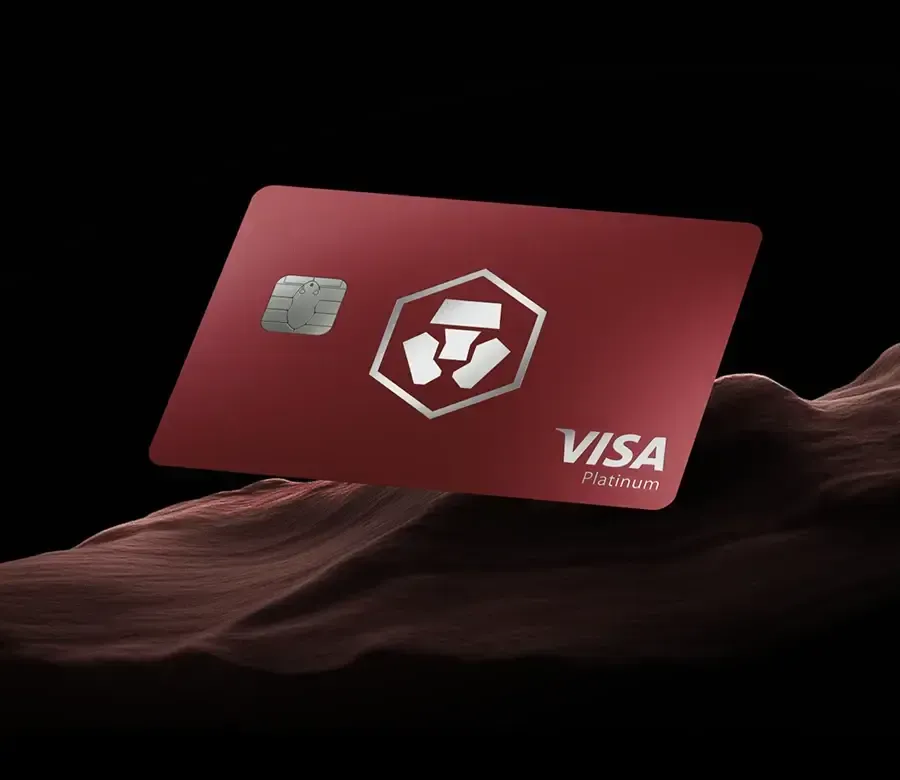
PLUS
2.0%
back in crypto · on every spend
€3.99 / month
or €39.90/year (€3.32/month)
Zero trading fees up to $20K/month
2.0% back in crypto on card spend
0% foreign exchange fees
EUR Cash Yield up to 1.35% p.a.
CRO Yield up to 2.00% p.a.
Virtual Visa card · Flexible cancel
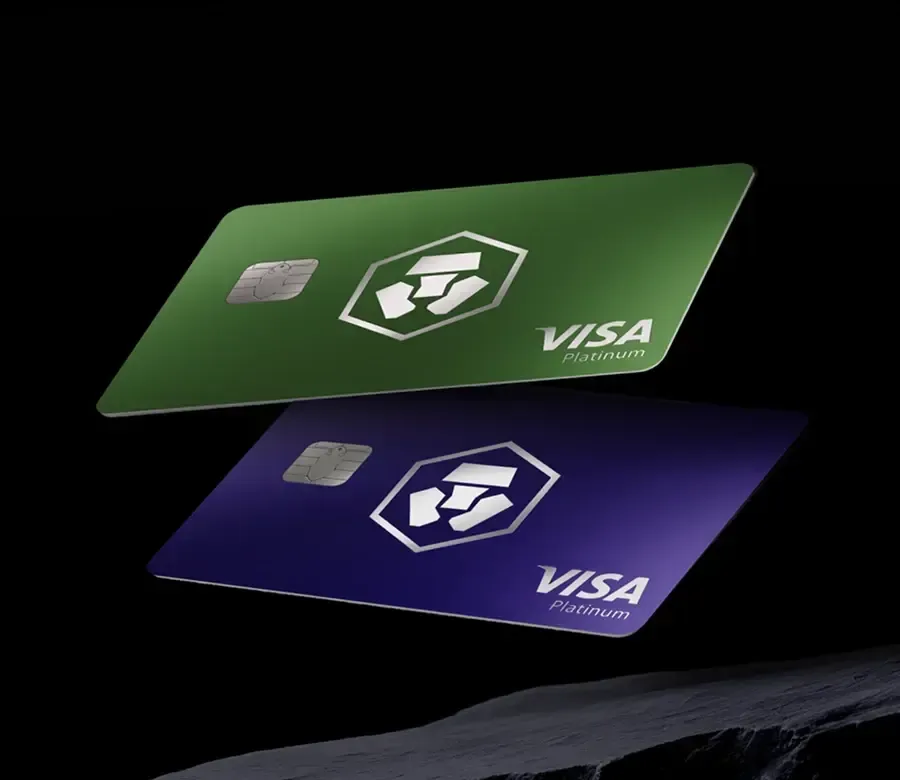
PRO
3.0%
back in crypto · on every spend
€24.99 / month
or €249.90/year (€20.82/month)
Zero trading fees up to $50K/month
3.0% back in crypto on card spend
0% foreign exchange fees
EUR Cash Yield up to 1.70% p.a.
CRO Yield up to 2.50% p.a.
Airport lounge access (Priority Pass)
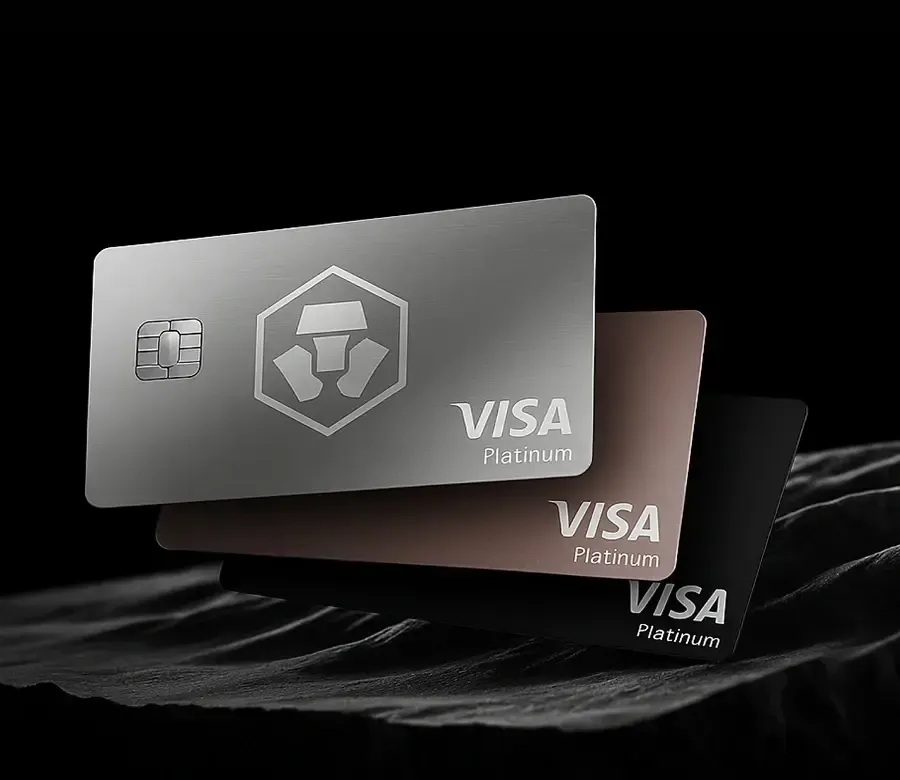
PRIVATE
4–6%
back in crypto · on every spend
CRO Lockup from €45,000
8.5% yield · 12-month staking · €450K tier at 9.5%
Zero trading fees · Unlimited volume
4.0%–6.0% back in crypto
0% foreign exchange fees
EUR Cash Yield up to 1.80% p.a.
Extra 1% p.a. on Earn allocations in CRO
VIP events · Exclusive experiences
8.5% CRO lockup rewards