
Private · Delft, Netherlands
IKEA
A 17-year-old Swedish boy sold matches from a bicycle. Built the world's largest furniture company with an Allen key.
Live Price
—
Today
—
Symbol
Private
1943
Matches, fish, and Christmas decorations
Ingvar Kamprad founded IKEA in 1943 at age 17 in Älmhult, Sweden — a remote town in the province of Småland. The name was an acronym: I for Ingvar, K for Kamprad, E for Elmtaryd (the farm where he grew up), and A for Agunnaryd (his home village). Kamprad initially sold matches, fish, Christmas decorations, seeds, and ballpoint pens by bicycle to neighbours. He had started his first business at age 5, buying matches in bulk in Stockholm and selling them individually for a profit.
1956
Flat-pack furniture and the accidental revolution
IKEA began selling furniture in 1948. The flat-pack concept emerged in 1956 when an IKEA employee named Gillis Lundgren removed a table's legs to fit it into a car — realising that furniture shipped unassembled would be cheaper to transport and store. The insight transformed furniture retail globally. Flat-pack furniture could be stacked efficiently, required no specialist delivery, and could be sold in large warehouse stores at prices that traditional furniture retailers could not match. The Allen key became IKEA's unofficial symbol.
1958
The first IKEA store — and the strategic meatball
IKEA opened its first furniture showroom in Älmhult in 1958. Kamprad's concept was radical: a large warehouse store where customers could see furniture assembled in room settings, choose their items, collect flat-pack boxes from the warehouse, and transport them home themselves. The store served meatballs and lingonberry jam — a decision that became legendary. Kamprad believed hungry customers made poor decisions; fed customers stayed longer and spent more. IKEA's Swedish meatballs have since become as iconic as any product it sells.
1973
Tax exile and the ownership labyrinth
Kamprad moved to Switzerland in 1973 to avoid Swedish taxes. The company's ownership structure became extraordinarily complex: IKEA's operations were split between Inter IKEA Group (owned by a foundation in Liechtenstein) and INGKA Group (owned by a foundation in the Netherlands), with the Kamprad family maintaining influence through various structures. The arrangement minimised taxes across multiple jurisdictions. Critics called it aggressive tax avoidance; Kamprad called it business sense.
2024
€47 billion in revenue — and going online after Kamprad's death
IKEA reported revenues of approximately €47 billion for fiscal year 2024 across approximately 480 stores in more than 60 countries. Ingvar Kamprad died in January 2018 at age 91, having built a company that employed approximately 230,000 people. He had been famously frugal — reportedly shopping at secondhand stores and travelling economy class — despite being one of the richest people in the world. IKEA had been slow to adopt e-commerce, believing the in-store experience was central to its model. After Kamprad's death, IKEA accelerated its digital transformation and expanded online shopping globally. The flat-pack table that Gillis Lundgren had discovered by removing its legs to fit it in a car had become one of the most significant product innovations in retail history.
The Numbers
market cap
Private (Controlled through non-profit foundations)
revenue
$48.1B (FY2025 - Ingka Group)
net income
$1.8B (FY2025 - Ingka Group)
employees
165,000
ipo year
Private
ipo price
Private
current ceo
Jesper Brodin
revenue forecast
$49.8B (2026 internal projection)
Who Owns IKEA
Stichting INGKA Foundation
Dutch charitable foundation; owns INGKA Holding B.V.
Inter IKEA Holding B.V.
Separately owned by Interogo Foundation (Liechtenstein) for franchise systems
Frequently Asked Questions
Who founded IKEA?
IKEA was founded by Ingvar Kamprad.
When was IKEA founded?
IKEA was founded in 1943.
Where was IKEA founded?
IKEA was headquartered in Delft, Netherlands.
Why was IKEA created?
Ingvar Kamprad founded IKEA in 1943 at age 17 in Älmhult, Sweden — a remote town in the province of Småland. The name was an acronym: I for Ingvar, K for Kamprad, E for Elmtaryd (the farm where he grew up), and A for Agunnaryd (his home village). Kamprad initially sold matches, fish, Christmas decorations, seeds, and ballpoint pens by bicycle to neighbours. He had started his first business at age 5, buying matches in bulk in Stockholm and selling them individually for a profit.
What does IKEA do?
A 17-year-old Swedish boy sold matches from a bicycle. Built the world's largest furniture company with an Allen key. IKEA was founded by a 17-year-old selling matches from a bicycle. Flat-pack furniture was invented by accident. €47 billion in revenue. The full story of IKEA.
How did IKEA grow?
IKEA reported revenues of approximately €47 billion for fiscal year 2024 across approximately 480 stores in more than 60 countries. Ingvar Kamprad died in January 2018 at age 91, having built a company that employed approximately 230,000 people. He had been famously frugal — reportedly shopping at secondhand stores and travelling economy class — despite being one of the richest people in the world. IKEA had been slow to adopt e-commerce, believing the in-store experience was central to its model. After Kamprad's death, IKEA accelerated its digital transformation and expanded online shopping globally. The flat-pack table that Gillis Lundgren had discovered by removing its legs to fit it in a car had become one of the most significant product innovations in retail history.
Who owns IKEA?
Stichting INGKA Foundation owns 100%. Inter IKEA Holding B.V. owns Intellectual Property Owner (Dutch charitable foundation; owns INGKA Holding B.V.)
How much of IKEA does Stichting INGKA Foundation own?
Stichting INGKA Foundation owns 100% (Dutch charitable foundation; owns INGKA Holding B.V.)
When did IKEA go public?
IKEA had its IPO in Private, with an initial share price of Private.
How many employees does IKEA have?
IKEA has approximately 165,000 employees.
What is IKEA's revenue?
IKEA generated $48.1B (FY2025 - Ingka Group) in revenue. Analysts forecast $49.8B (2026 internal projection).
What is IKEA's market cap?
IKEA has a market capitalisation of Private (Controlled through non-profit foundations).
Who is the CEO of IKEA?
The current CEO of IKEA is Jesper Brodin.
Tools & Platforms
For Investors
The market doesn't care about your feelings.
But your broker's fees do.
But your broker's fees do.
Most people have a brokerage account. Fewer understand what it really costs them — in spreads, in fees, in missed instruments. Malta-regulated, direct market access, 600,000+ instruments.
Exante
Malta MFSA · 50 exchanges
Tickmill
Forex from 0.0 pips
Vantage
Multi-asset trading
Polymarket
Prediction markets
For Entrepreneurs
Opening a US company costs $300.
Most people think it's complicated. It isn't.
Most people think it's complicated. It isn't.
Most founders spend weeks on formation, banking and payments. The ones who move fast know which tools to use before they start. A US LLC, a real business account, and a way to pay people — in that order.
Mercury
Business finance · 300K+ founders
Doola
US LLC formation · YC backed
Melio
B2B payments
Xero 95% OFF
Accounting · 6 months
For C-Suite
Your competitor pays $200 less per month for EOR.
You're still on a spreadsheet.
You're still on a spreadsheet.
BVNK hired 20% of its workforce through Deel. The smartest operators aren't managing payroll complexity — they're outsourcing it. EOR in 150+ countries, multi-currency accounts, workforce payments at $200 less per month than competitors.
Deel
EOR · 150+ countries
Payoneer
$399/mo EOR · Save $200
Wise Business
40+ currencies · No hidden fees
Gusto
US payroll & benefits
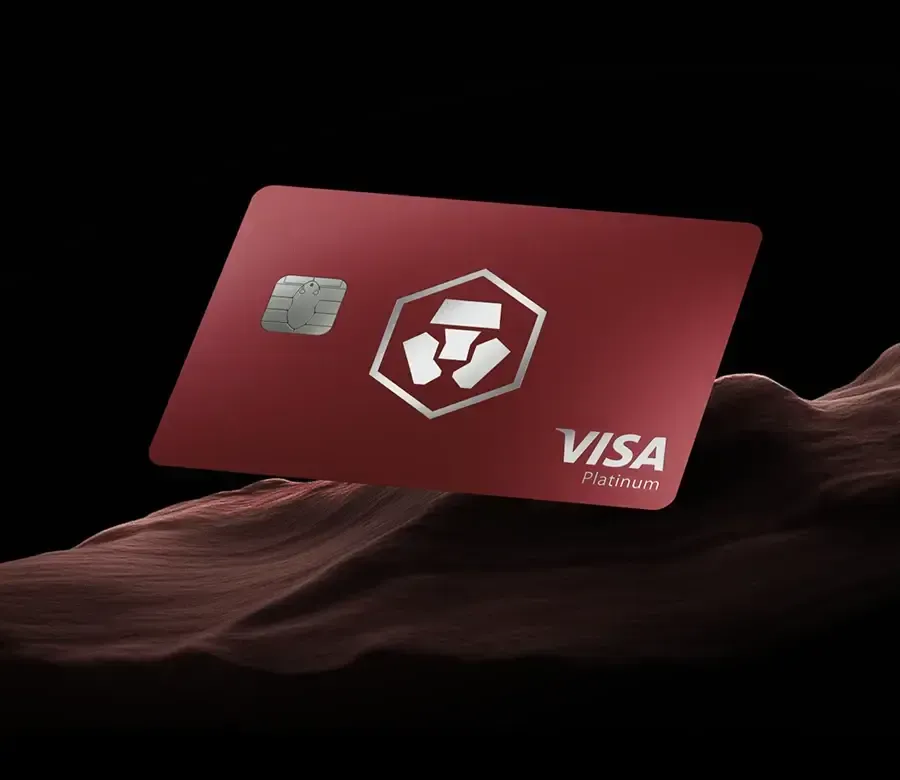
PLUS
2.0%
back in crypto · on every spend
€3.99 / month
or €39.90/year (€3.32/month)
Zero trading fees up to $20K/month
2.0% back in crypto on card spend
0% foreign exchange fees
EUR Cash Yield up to 1.35% p.a.
CRO Yield up to 2.00% p.a.
Virtual Visa card · Flexible cancel
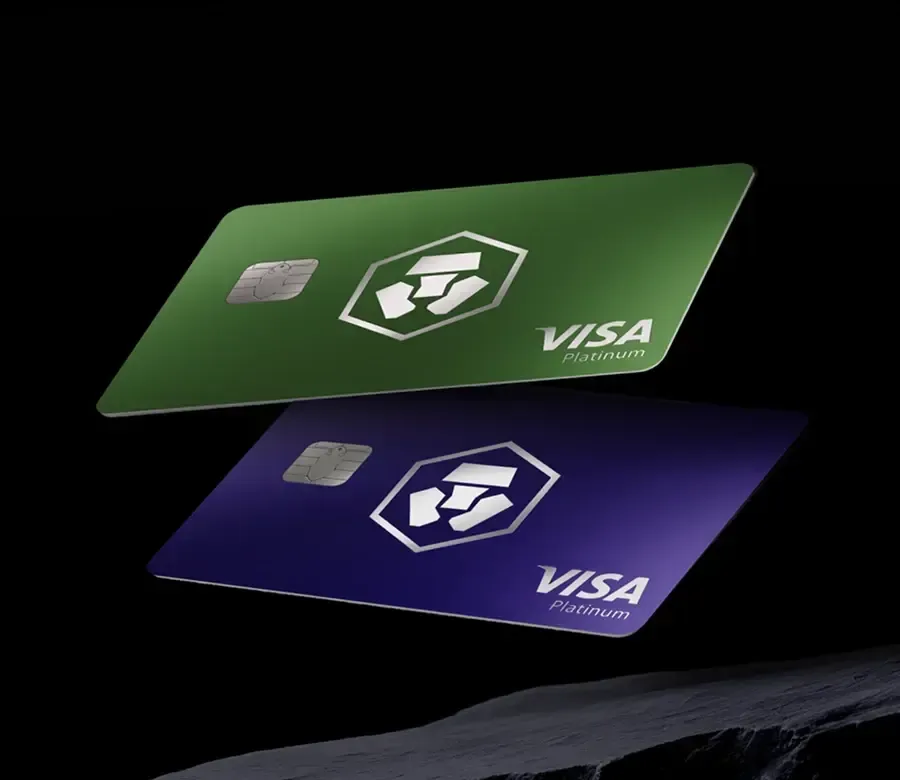
PRO
3.0%
back in crypto · on every spend
€24.99 / month
or €249.90/year (€20.82/month)
Zero trading fees up to $50K/month
3.0% back in crypto on card spend
0% foreign exchange fees
EUR Cash Yield up to 1.70% p.a.
CRO Yield up to 2.50% p.a.
Airport lounge access (Priority Pass)
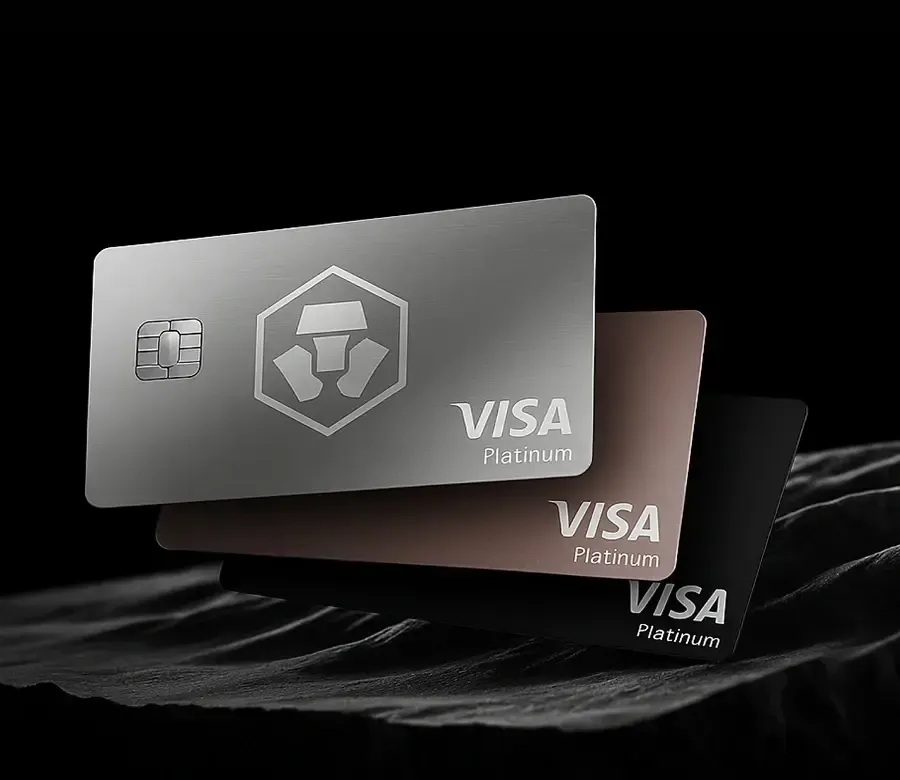
PRIVATE
4–6%
back in crypto · on every spend
CRO Lockup from €45,000
8.5% yield · 12-month staking · €450K tier at 9.5%
Zero trading fees · Unlimited volume
4.0%–6.0% back in crypto
0% foreign exchange fees
EUR Cash Yield up to 1.80% p.a.
Extra 1% p.a. on Earn allocations in CRO
VIP events · Exclusive experiences
8.5% CRO lockup rewards