
KODK · Rochester, New York
Kodak
Invented digital photography in 1975. Went bankrupt in 2012. Now trying to become a pharmaceutical company.
Live Price
—
Today
—
Symbol
KODK
1888
You press the button, we do the rest
George Eastman founded Kodak in 1888 with a product so simple its marketing slogan wrote itself: "You press the button, we do the rest." Before Kodak, photography required professional training, heavy equipment, and chemical expertise. Eastman's camera came pre-loaded with film for 100 exposures. You sent the entire camera back to Kodak, who developed the film and returned the camera reloaded. Photography became accessible to ordinary people for the first time.
1975
The engineer who invented digital photography — and was told to hide it
In 1975, a Kodak engineer named Steve Sasson built the world's first digital camera — a device the size of a toaster that captured 0.01 megapixel images onto a cassette tape. When Sasson demonstrated it to Kodak management, executives asked him not to tell anyone about it. The digital camera would make film obsolete. Film was Kodak's entire business model. The invention was shelved. It is among the most consequential acts of corporate self-sabotage in history.
1996
Peak Kodak: $28 billion and 145,000 employees
In 1996, Kodak was at its zenith — a $28 billion company with 145,000 employees, controlling 80% of the U.S. film market. The Kodak Moment had entered the cultural lexicon. Every significant family event — births, weddings, graduations — was documented on Kodak film. The company was so dominant that the U.S. government had required it to license patents to competitors to prevent monopoly abuse.
2012
Bankruptcy and the patent auction
Kodak filed for bankruptcy in January 2012 — 133 years after its founding. The company's most valuable remaining assets were its patent portfolio, which it auctioned for $525 million. The buyers included Apple, Google, Microsoft, and Samsung — the companies that had built the digital photography industry on foundations Kodak had laid and then abandoned. The company that had invented digital photography sold its patents to the companies that had commercialised it.
2025
A "going concern" warning and a pharmaceutical pivot
Having emerged from bankruptcy in 2013 as a much smaller company focused on commercial printing and chemicals, Kodak spent 2024-2025 attempting a further transformation: pivoting toward pharmaceutical manufacturing. The company's Rochester facilities, which retained FDA-compliant chemical production capabilities from its film-making era, began producing phosphate buffered saline for laboratory use — a stepping stone toward more complex products like injectable IV saline. In Q2 2025, Kodak posted a net loss of $26 million and a "going concern" warning from auditors. The company had 79,000 patents from 130 years of R&D and fewer than 4,000 employees. Its most famous product was a memory of a world that no longer existed.
Frequently Asked Questions
Who founded Kodak?
Kodak was founded by George Eastman.
When was Kodak founded?
Kodak was founded in 1888.
Where was Kodak founded?
Kodak was headquartered in Rochester, New York.
Why was Kodak created?
George Eastman founded Kodak in 1888 with a product so simple its marketing slogan wrote itself: "You press the button, we do the rest." Before Kodak, photography required professional training, heavy equipment, and chemical expertise. Eastman's camera came pre-loaded with film for 100 exposures. You sent the entire camera back to Kodak, who developed the film and returned the camera reloaded. Photography became accessible to ordinary people for the first time.
What does Kodak do?
Invented digital photography in 1975. Went bankrupt in 2012. Now trying to become a pharmaceutical company. Kodak invented digital photography in 1975 and buried it. Went bankrupt in 2012. Now trying to become a pharmaceutical company. The full tragic story.
How did Kodak grow?
Having emerged from bankruptcy in 2013 as a much smaller company focused on commercial printing and chemicals, Kodak spent 2024-2025 attempting a further transformation: pivoting toward pharmaceutical manufacturing. The company's Rochester facilities, which retained FDA-compliant chemical production capabilities from its film-making era, began producing phosphate buffered saline for laboratory use — a stepping stone toward more complex products like injectable IV saline. In Q2 2025, Kodak posted a net loss of $26 million and a "going concern" warning from auditors. The company had 79,000 patents from 130 years of R&D and fewer than 4,000 employees. Its most famous product was a memory of a world that no longer existed.
Tools & Platforms
For Investors
The market doesn't care about your feelings.
But your broker's fees do.
But your broker's fees do.
Most people have a brokerage account. Fewer understand what it really costs them — in spreads, in fees, in missed instruments. Malta-regulated, direct market access, 600,000+ instruments.
Exante
Malta MFSA · 50 exchanges
Tickmill
Forex from 0.0 pips
Vantage
Multi-asset trading
Polymarket
Prediction markets
For Entrepreneurs
Opening a US company costs $300.
Most people think it's complicated. It isn't.
Most people think it's complicated. It isn't.
Most founders spend weeks on formation, banking and payments. The ones who move fast know which tools to use before they start. A US LLC, a real business account, and a way to pay people — in that order.
Mercury
Business finance · 300K+ founders
Doola
US LLC formation · YC backed
Melio
B2B payments
Xero 95% OFF
Accounting · 6 months
For C-Suite
Your competitor pays $200 less per month for EOR.
You're still on a spreadsheet.
You're still on a spreadsheet.
BVNK hired 20% of its workforce through Deel. The smartest operators aren't managing payroll complexity — they're outsourcing it. EOR in 150+ countries, multi-currency accounts, workforce payments at $200 less per month than competitors.
Deel
EOR · 150+ countries
Payoneer
$399/mo EOR · Save $200
Wise Business
40+ currencies · No hidden fees
Gusto
US payroll & benefits
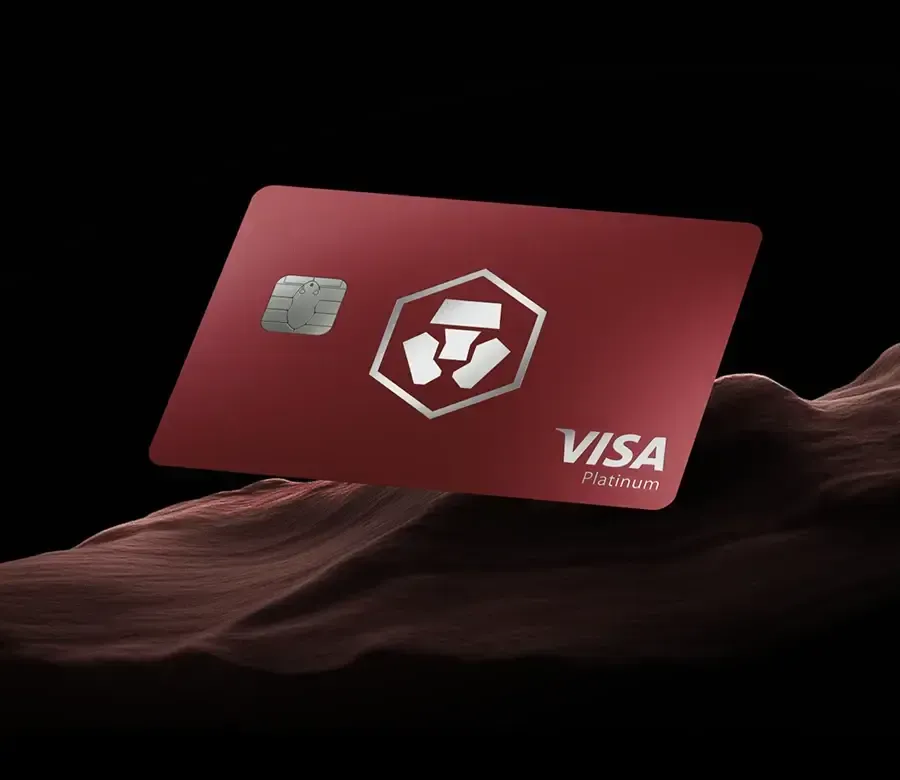
PLUS
2.0%
back in crypto · on every spend
€3.99 / month
or €39.90/year (€3.32/month)
Zero trading fees up to $20K/month
2.0% back in crypto on card spend
0% foreign exchange fees
EUR Cash Yield up to 1.35% p.a.
CRO Yield up to 2.00% p.a.
Virtual Visa card · Flexible cancel
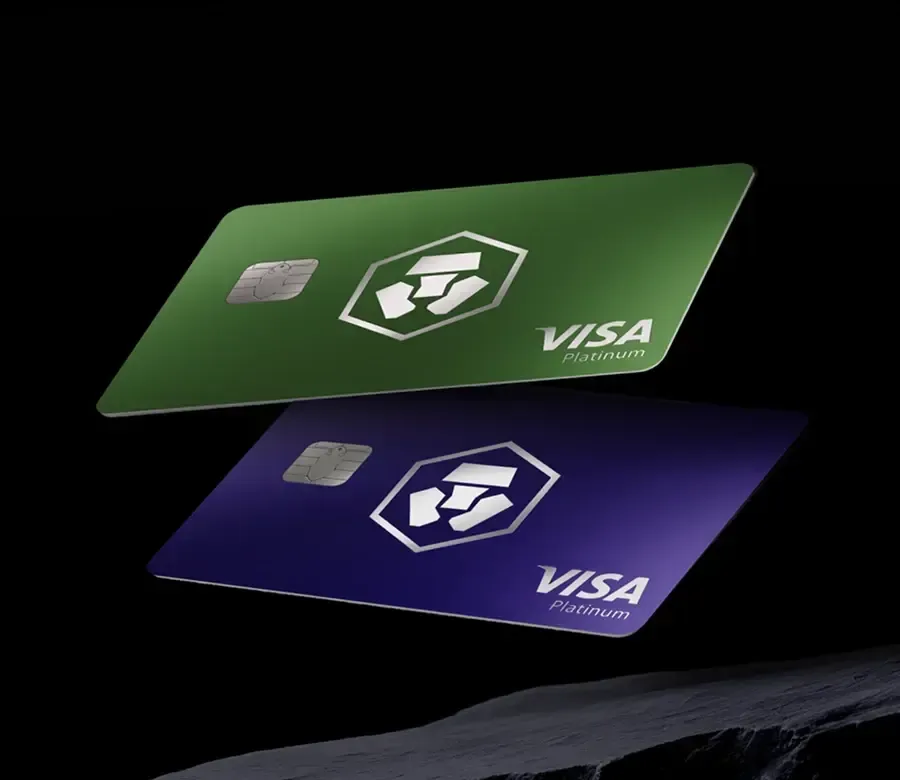
PRO
3.0%
back in crypto · on every spend
€24.99 / month
or €249.90/year (€20.82/month)
Zero trading fees up to $50K/month
3.0% back in crypto on card spend
0% foreign exchange fees
EUR Cash Yield up to 1.70% p.a.
CRO Yield up to 2.50% p.a.
Airport lounge access (Priority Pass)
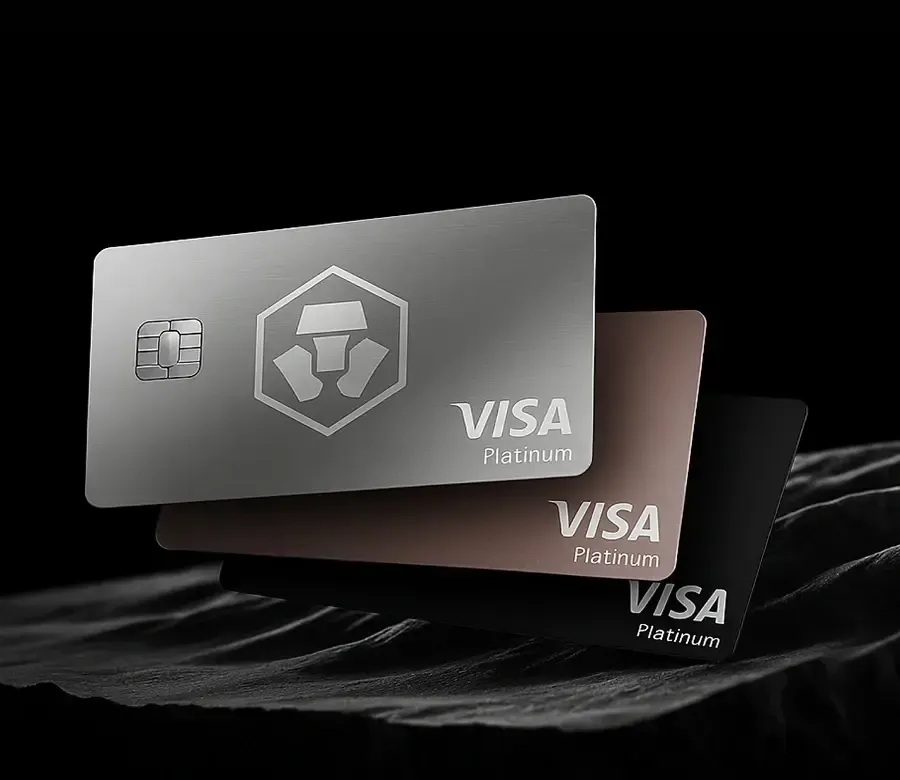
PRIVATE
4–6%
back in crypto · on every spend
CRO Lockup from €45,000
8.5% yield · 12-month staking · €450K tier at 9.5%
Zero trading fees · Unlimited volume
4.0%–6.0% back in crypto
0% foreign exchange fees
EUR Cash Yield up to 1.80% p.a.
Extra 1% p.a. on Earn allocations in CRO
VIP events · Exclusive experiences
8.5% CRO lockup rewards