
Private · Billund, Denmark
LEGO
A Danish carpenter nearly went bankrupt three times. Then plastic bricks became the world's most valuable toy.
Live Price
—
Today
—
Symbol
Private
1932
Wooden toys in a Danish village
Ole Kirk Christiansen was a carpenter in Billund, Denmark who began making wooden toys in 1932 during the Great Depression after his construction business collapsed. He named the company LEGO — a contraction of the Danish "leg godt," meaning "play well." He had no idea that the Latin word "lego" also means "I put together." The company nearly went bankrupt twice in its first decade, once when a warehouse fire destroyed the entire inventory.
1949
The plastic brick nobody wanted
LEGO began producing plastic interlocking bricks in 1949. Danish toy retailers refused to stock them, telling Christiansen that parents wanted traditional wooden toys and would never trust plastic. LEGO's own salespeople reportedly refused to demonstrate the product. The bricks sat in warehouses. Christiansen kept producing them anyway. It was a decision that would eventually make LEGO the most valuable toy brand in history.
1958
The patent that still works 67 years later
LEGO filed a patent for the modern LEGO brick design on January 28, 1958 — the stud-and-tube coupling system that makes LEGO bricks compatible across all sets made since that date. A LEGO brick from 1958 is still compatible with a LEGO brick made today. No other toy company has maintained backward compatibility for 67+ years. The patent expired in 1978, but LEGO's manufacturing precision became its own barrier to competition.
2003
$1 million a day in losses — and a 36-year-old CEO saves it
By 2003, LEGO was losing approximately $1 million per day. The company had over-diversified into clothing, theme parks, video games, and television. Debt was spiralling. A turnaround consultant named Jørgen Vig Knudstorp was appointed CEO in 2004 at age 36. He sold the theme parks, eliminated most non-brick products, and refocused entirely on construction sets. Within three years, LEGO was profitable again — and never looked back.
2025
The world's most valuable toy brand
By 2025, LEGO had sustained over a decade of remarkable growth following its near-death experience. The company overtook Mattel and Hasbro to become the world's largest toy company by revenue in 2015 and has remained so. LEGO's collaboration with major IP franchises — Star Wars, Harry Potter, Marvel, Technic — alongside its adult-focused Creator Expert sets and digital products had transformed the brand from a children's toy into a multigenerational cultural phenomenon. The carpenter's company from a Danish village of 6,000 people was now valued at over $20 billion, making it one of the most valuable private companies in Europe.
Frequently Asked Questions
Who founded LEGO?
LEGO was founded by Ole Kirk Christiansen.
When was LEGO founded?
LEGO was founded in 1932.
Where was LEGO founded?
LEGO was headquartered in Billund, Denmark.
Why was LEGO created?
Ole Kirk Christiansen was a carpenter in Billund, Denmark who began making wooden toys in 1932 during the Great Depression after his construction business collapsed. He named the company LEGO — a contraction of the Danish "leg godt," meaning "play well." He had no idea that the Latin word "lego" also means "I put together." The company nearly went bankrupt twice in its first decade, once when a warehouse fire destroyed the entire inventory.
What does LEGO do?
A Danish carpenter nearly went bankrupt three times. Then plastic bricks became the world's most valuable toy. LEGO nearly went bankrupt in 2003, losing $1 million a day. A 36-year-old saved it. Now the world's most valuable toy brand. The full story of LEGO.
How did LEGO grow?
By 2025, LEGO had sustained over a decade of remarkable growth following its near-death experience. The company overtook Mattel and Hasbro to become the world's largest toy company by revenue in 2015 and has remained so. LEGO's collaboration with major IP franchises — Star Wars, Harry Potter, Marvel, Technic — alongside its adult-focused Creator Expert sets and digital products had transformed the brand from a children's toy into a multigenerational cultural phenomenon. The carpenter's company from a Danish village of 6,000 people was now valued at over $20 billion, making it one of the most valuable private companies in Europe.
Tools & Platforms
For Investors
The market doesn't care about your feelings.
But your broker's fees do.
But your broker's fees do.
Most people have a brokerage account. Fewer understand what it really costs them — in spreads, in fees, in missed instruments. Malta-regulated, direct market access, 600,000+ instruments.
Exante
Malta MFSA · 50 exchanges
Tickmill
Forex from 0.0 pips
Vantage
Multi-asset trading
Polymarket
Prediction markets
For Entrepreneurs
Opening a US company costs $300.
Most people think it's complicated. It isn't.
Most people think it's complicated. It isn't.
Most founders spend weeks on formation, banking and payments. The ones who move fast know which tools to use before they start. A US LLC, a real business account, and a way to pay people — in that order.
Mercury
Business finance · 300K+ founders
Doola
US LLC formation · YC backed
Melio
B2B payments
Xero 95% OFF
Accounting · 6 months
For C-Suite
Your competitor pays $200 less per month for EOR.
You're still on a spreadsheet.
You're still on a spreadsheet.
BVNK hired 20% of its workforce through Deel. The smartest operators aren't managing payroll complexity — they're outsourcing it. EOR in 150+ countries, multi-currency accounts, workforce payments at $200 less per month than competitors.
Deel
EOR · 150+ countries
Payoneer
$399/mo EOR · Save $200
Wise Business
40+ currencies · No hidden fees
Gusto
US payroll & benefits
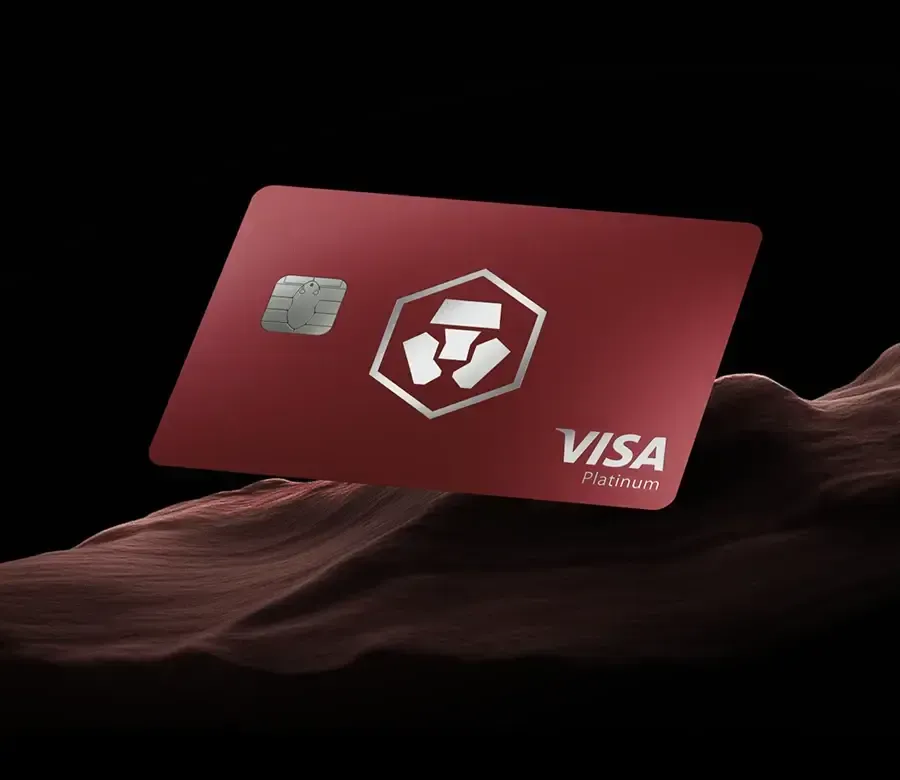
PLUS
2.0%
back in crypto · on every spend
€3.99 / month
or €39.90/year (€3.32/month)
Zero trading fees up to $20K/month
2.0% back in crypto on card spend
0% foreign exchange fees
EUR Cash Yield up to 1.35% p.a.
CRO Yield up to 2.00% p.a.
Virtual Visa card · Flexible cancel
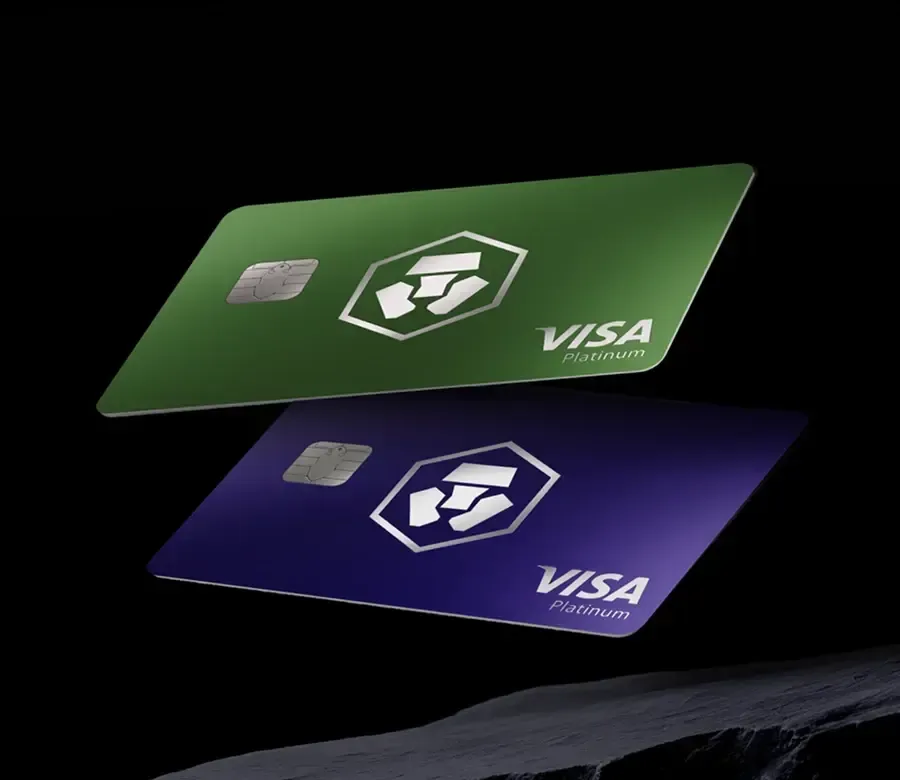
PRO
3.0%
back in crypto · on every spend
€24.99 / month
or €249.90/year (€20.82/month)
Zero trading fees up to $50K/month
3.0% back in crypto on card spend
0% foreign exchange fees
EUR Cash Yield up to 1.70% p.a.
CRO Yield up to 2.50% p.a.
Airport lounge access (Priority Pass)
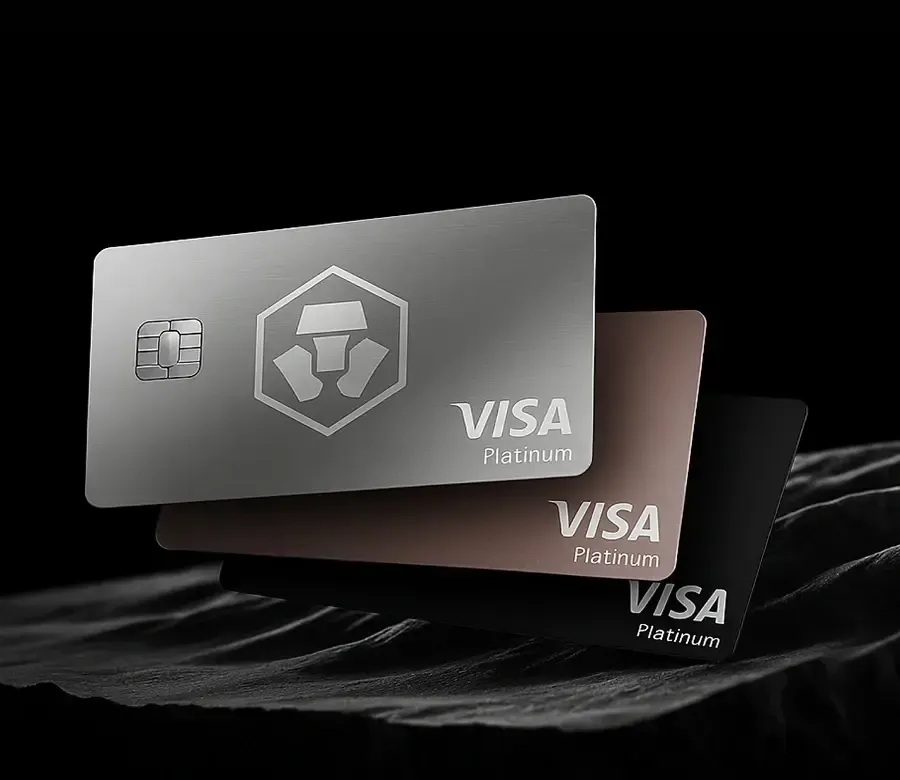
PRIVATE
4–6%
back in crypto · on every spend
CRO Lockup from €45,000
8.5% yield · 12-month staking · €450K tier at 9.5%
Zero trading fees · Unlimited volume
4.0%–6.0% back in crypto
0% foreign exchange fees
EUR Cash Yield up to 1.80% p.a.
Extra 1% p.a. on Earn allocations in CRO
VIP events · Exclusive experiences
8.5% CRO lockup rewards