
MC.PA · Paris, France
Louis Vuitton (LVMH)
Walked to Paris at 14. Became the Empress's trunk maker. Built the world's most counterfeited brand.
Live Price
—
Today
—
Symbol
MC.PA
1835
The walk to Paris
Louis Vuitton was born in 1821 in Anchay, a small village in the Jura mountains of eastern France. At 14, he decided to travel to Paris to seek his fortune. Unable to afford transport, he walked — a journey of approximately 400 kilometres that took two years, during which he worked odd jobs along the way. He arrived in Paris in 1837 and became an apprentice to Monsieur Maréchal, a box-maker and packer who prepared luggage for wealthy clients travelling by carriage and later by train.
1854
The flat-topped trunk
Vuitton opened his own luggage workshop in Paris in 1854. His innovation was seemingly simple but commercially transformative: the flat-topped trunk. The rounded tops of conventional trunks had made sense when luggage was strapped to the outside of carriages. With the advent of railway travel, luggage was stored in flat-roofed compartments where trunks could be stacked. Vuitton's flat tops could be stacked; competitors' could not. He was appointed personal trunk-maker to Empress Eugénie of France within a year.
1896
The monogram canvas and the anti-counterfeiting war
Louis Vuitton died in 1892. His son Georges introduced the iconic LV monogram canvas in 1896, designed explicitly to combat counterfeiting — which had become rampant as the brand became famous. The monogram was a pattern so distinctive and complex that it was difficult to reproduce convincingly. It worked, for a while. Louis Vuitton today employs a global team of lawyers and investigators dedicated entirely to fighting counterfeiting. The LV monogram is simultaneously the world's most recognised luxury symbol and the world's most counterfeited pattern. A bottle is sold every 30 seconds worldwide.
1987
The merger that created LVMH
Louis Vuitton merged with Moët Hennessy in 1987 to form LVMH. Bernard Arnault, who had acquired a controlling stake in Christian Dior, manoeuvred into control of LVMH in 1989 in a corporate battle that the French press described as the arrival of "the wolf in cashmere." Arnault built LVMH into the world's largest luxury group, eventually owning over 75 brands including Dior, Givenchy, Bulgari, Tiffany, Celine, and Dom Pérignon. He became the richest person in the world at the peak of LVMH's valuation.
2024
€84.7 billion — and the luxury slowdown
LVMH recorded revenue of €84.7 billion in 2024 — up just 1% organically from its €86 billion peak in 2023 — as the post-pandemic luxury spending boom faded, particularly in Asia. Profit from recurring operations fell 14% to €19.6 billion. Louis Vuitton continued to be the group's most profitable single brand, with analysts estimating its annual revenues exceeded €20 billion and margins above 40%. The first half of 2025 saw further headwinds — revenue fell 4% — as Chinese consumer confidence remained subdued and Japan retraced exceptional 2024 tourist spending. The boy who had walked 400 kilometres to Paris at age 14, making travel easier for wealthy people, had built the foundation of an empire that generated more revenue in a single year than many European countries' entire manufacturing sectors.
The Numbers
market cap
Private (Flagship brand of LVMH)
revenue
$24.1B (FY2025 estimated)
net income
Highly profitable (Key operating margin leader for LVMH)
employees
38,000
ipo year
Private
ipo price
Private
current ceo
Pietro Beccari
revenue forecast
$25.8B (2026 internal estimate)
Who Owns Louis Vuitton (LVMH)
LVMH Group
Fully owned core brand of Moët Hennessy Louis Vuitton
Frequently Asked Questions
Who founded Louis Vuitton (LVMH)?
Louis Vuitton (LVMH) was founded by Louis Vuitton.
When was Louis Vuitton (LVMH) founded?
Louis Vuitton (LVMH) was founded in 1854.
Where was Louis Vuitton (LVMH) founded?
Louis Vuitton (LVMH) was headquartered in Paris, France.
Why was Louis Vuitton (LVMH) created?
Louis Vuitton was born in 1821 in Anchay, a small village in the Jura mountains of eastern France. At 14, he decided to travel to Paris to seek his fortune. Unable to afford transport, he walked — a journey of approximately 400 kilometres that took two years, during which he worked odd jobs along the way. He arrived in Paris in 1837 and became an apprentice to Monsieur Maréchal, a box-maker and packer who prepared luggage for wealthy clients travelling by carriage and later by train.
What does Louis Vuitton (LVMH) do?
Walked to Paris at 14. Became the Empress's trunk maker. Built the world's most counterfeited brand. Louis Vuitton walked to Paris at 14, became trunk-maker to the Empress, and built the world's most counterfeited brand. LVMH now generates €84 billion in revenue. The full story.
How did Louis Vuitton (LVMH) grow?
LVMH recorded revenue of €84.7 billion in 2024 — up just 1% organically from its €86 billion peak in 2023 — as the post-pandemic luxury spending boom faded, particularly in Asia. Profit from recurring operations fell 14% to €19.6 billion. Louis Vuitton continued to be the group's most profitable single brand, with analysts estimating its annual revenues exceeded €20 billion and margins above 40%. The first half of 2025 saw further headwinds — revenue fell 4% — as Chinese consumer confidence remained subdued and Japan retraced exceptional 2024 tourist spending. The boy who had walked 400 kilometres to Paris at age 14, making travel easier for wealthy people, had built the foundation of an empire that generated more revenue in a single year than many European countries' entire manufacturing sectors.
Who owns Louis Vuitton (LVMH)?
LVMH Group owns 100% (Fully owned core brand of Moët Hennessy Louis Vuitton)
How much of Louis Vuitton (LVMH) does LVMH Group own?
LVMH Group owns 100% (Fully owned core brand of Moët Hennessy Louis Vuitton)
When did Louis Vuitton (LVMH) go public?
Louis Vuitton (LVMH) had its IPO in Private, with an initial share price of Private.
How many employees does Louis Vuitton (LVMH) have?
Louis Vuitton (LVMH) has approximately 38,000 employees.
What is Louis Vuitton (LVMH)'s revenue?
Louis Vuitton (LVMH) generated $24.1B (FY2025 estimated) in revenue. Analysts forecast $25.8B (2026 internal estimate).
What is Louis Vuitton (LVMH)'s market cap?
Louis Vuitton (LVMH) has a market capitalisation of Private (Flagship brand of LVMH).
Who is the CEO of Louis Vuitton (LVMH)?
The current CEO of Louis Vuitton (LVMH) is Pietro Beccari.
Tools & Platforms
For Investors
The market doesn't care about your feelings.
But your broker's fees do.
But your broker's fees do.
Most people have a brokerage account. Fewer understand what it really costs them — in spreads, in fees, in missed instruments. Malta-regulated, direct market access, 600,000+ instruments.
Exante
Malta MFSA · 50 exchanges
Tickmill
Forex from 0.0 pips
Vantage
Multi-asset trading
Polymarket
Prediction markets
For Entrepreneurs
Opening a US company costs $300.
Most people think it's complicated. It isn't.
Most people think it's complicated. It isn't.
Most founders spend weeks on formation, banking and payments. The ones who move fast know which tools to use before they start. A US LLC, a real business account, and a way to pay people — in that order.
Mercury
Business finance · 300K+ founders
Doola
US LLC formation · YC backed
Melio
B2B payments
Xero 95% OFF
Accounting · 6 months
For C-Suite
Your competitor pays $200 less per month for EOR.
You're still on a spreadsheet.
You're still on a spreadsheet.
BVNK hired 20% of its workforce through Deel. The smartest operators aren't managing payroll complexity — they're outsourcing it. EOR in 150+ countries, multi-currency accounts, workforce payments at $200 less per month than competitors.
Deel
EOR · 150+ countries
Payoneer
$399/mo EOR · Save $200
Wise Business
40+ currencies · No hidden fees
Gusto
US payroll & benefits
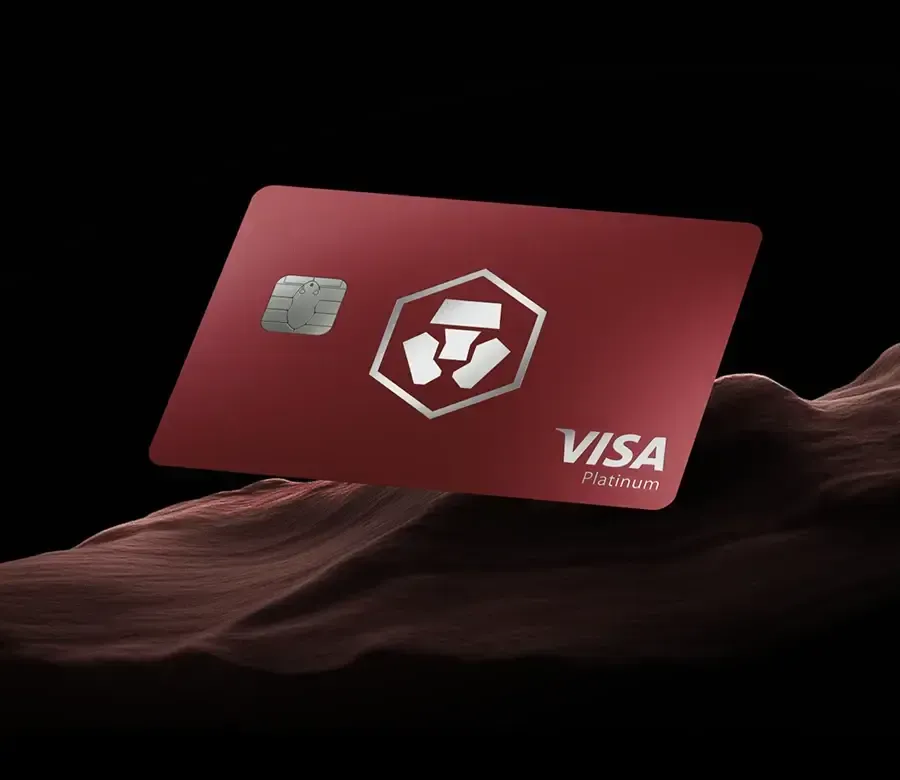
PLUS
2.0%
back in crypto · on every spend
€3.99 / month
or €39.90/year (€3.32/month)
Zero trading fees up to $20K/month
2.0% back in crypto on card spend
0% foreign exchange fees
EUR Cash Yield up to 1.35% p.a.
CRO Yield up to 2.00% p.a.
Virtual Visa card · Flexible cancel

PRO
3.0%
back in crypto · on every spend
€24.99 / month
or €249.90/year (€20.82/month)
Zero trading fees up to $50K/month
3.0% back in crypto on card spend
0% foreign exchange fees
EUR Cash Yield up to 1.70% p.a.
CRO Yield up to 2.50% p.a.
Airport lounge access (Priority Pass)
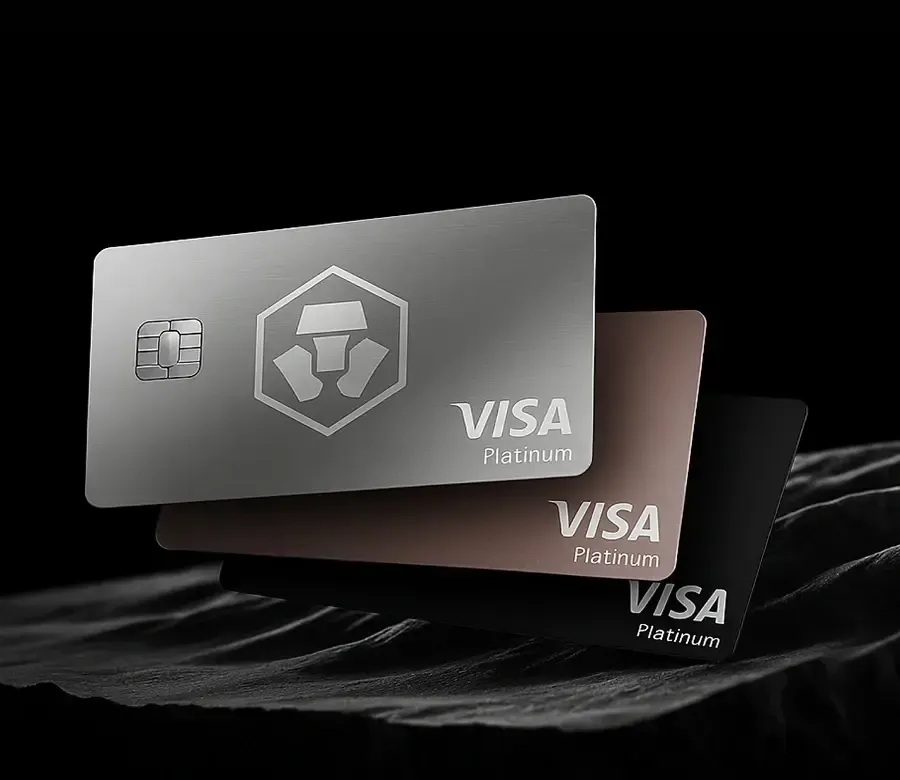
PRIVATE
4–6%
back in crypto · on every spend
CRO Lockup from €45,000
8.5% yield · 12-month staking · €450K tier at 9.5%
Zero trading fees · Unlimited volume
4.0%–6.0% back in crypto
0% foreign exchange fees
EUR Cash Yield up to 1.80% p.a.
Extra 1% p.a. on Earn allocations in CRO
VIP events · Exclusive experiences
8.5% CRO lockup rewards