
MU · Boise, Idaho
Micron Technology
Four engineers started a chip company in a dental office. A potato farmer saved it. Now it makes memory for AI.
Live Price
—
Today
—
Symbol
MU
1978
A dental office in Boise, Idaho
Micron Technology was founded in October 1978 by four engineers in a converted dental office in Boise, Idaho. Boise was not Silicon Valley. Idaho was known for potatoes, not semiconductors. The founders had previously worked at Mostek, a Texas semiconductor company, and believed they could design memory chips more efficiently than their former employer. Their initial capital was $300,000, raised partly from local Idaho investors who knew nothing about semiconductors but trusted the founders.
1985
The Japanese dumping crisis and the Simplot rescue
Japanese semiconductor manufacturers — backed by government subsidies — flooded the U.S. market with DRAM chips priced below cost in the mid-1980s, driving American competitors out of business. Intel, Motorola, and dozens of other U.S. companies exited DRAM production. Micron nearly failed. The company was rescued by J.R. Simplot — an Idaho potato farmer who had become a billionaire supplying McDonald's with french fries — who invested $5 million at the critical moment. The U.S. government subsequently imposed tariffs on Japanese chips. Micron survived as the only major U.S. DRAM manufacturer.
2013
The Elpida acquisition and the oligopoly
Micron acquired Elpida Memory — Japan's last major DRAM manufacturer, which had filed for bankruptcy — in 2013 for $2.5 billion. The acquisition made Micron one of only three significant DRAM manufacturers in the world, alongside Samsung and SK Hynix. The consolidation of the memory chip industry into three players transformed economics that had been chronically unprofitable due to overcapacity into a more stable oligopoly. Micron's revenues and margins improved dramatically as pricing became more rational.
2023
The AI memory boom
The explosion of artificial intelligence applications in 2023 created extraordinary demand for high-bandwidth memory — chips that could feed data to AI processors fast enough to keep them occupied. Micron's HBM (High Bandwidth Memory) products sold out months in advance. Nvidia's H100 and H200 GPUs — the most sought-after chips in the world — required HBM from Micron, Samsung, or SK Hynix. The dental office startup from Idaho had become an essential component of the AI infrastructure driving the global economy.
2025
Record revenue — HBM sold out through 2026
Micron reported fiscal Q4 2025 revenue of $11.32 billion — up 46% year-on-year — with gross margins expanding to 45.7%. For full fiscal year 2025, data center revenue accounted for 56% of total revenue, with HBM alone reaching nearly $2 billion in a single quarter. Micron had locked in price and volume agreements for its entire 2026 HBM supply. The company entered fiscal 2026 with $18 billion in capex budgeted to expand capacity. HBM market size was forecast to grow from $35 billion in 2025 to $100 billion in 2028 — a milestone larger than the entire DRAM market of 2024. The four engineers who had started in a dental office in potato-farming Idaho had built one of the most strategically critical semiconductor companies in the world.
The Numbers
market cap
$128.5B (July 2026)
revenue
$25.1B (FY2025)
net income
$1.8B (FY2025)
employees
43,000
ipo year
1984
ipo price
$14
current ceo
Sanjay Mehrotra
revenue forecast
$31.2B (2026 analyst consensus)
Who Owns Micron Technology
Vanguard Group
Largest institutional stakeholder
BlackRock
Significant institutional index fund controller
State Street
Passive institutional manager
Public float
Remaining shares publicly traded
Frequently Asked Questions
Who founded Micron Technology?
Micron Technology was founded by Ward Parkinson, Joe Parkinson, Dennis Wilson, Doug Pitman.
When was Micron Technology founded?
Micron Technology was founded in 1978.
Where was Micron Technology founded?
Micron Technology was headquartered in Boise, Idaho.
Why was Micron Technology created?
Micron Technology was founded in October 1978 by four engineers in a converted dental office in Boise, Idaho. Boise was not Silicon Valley. Idaho was known for potatoes, not semiconductors. The founders had previously worked at Mostek, a Texas semiconductor company, and believed they could design memory chips more efficiently than their former employer. Their initial capital was $300,000, raised partly from local Idaho investors who knew nothing about semiconductors but trusted the founders.
What does Micron Technology do?
Four engineers started a chip company in a dental office. A potato farmer saved it. Now it makes memory for AI. Micron started in a dental office in Idaho in 1978. A potato farmer saved it from bankruptcy. Now it makes AI memory chips with HBM sold out through 2026. The full story.
How did Micron Technology grow?
Micron reported fiscal Q4 2025 revenue of $11.32 billion — up 46% year-on-year — with gross margins expanding to 45.7%. For full fiscal year 2025, data center revenue accounted for 56% of total revenue, with HBM alone reaching nearly $2 billion in a single quarter. Micron had locked in price and volume agreements for its entire 2026 HBM supply. The company entered fiscal 2026 with $18 billion in capex budgeted to expand capacity. HBM market size was forecast to grow from $35 billion in 2025 to $100 billion in 2028 — a milestone larger than the entire DRAM market of 2024. The four engineers who had started in a dental office in potato-farming Idaho had built one of the most strategically critical semiconductor companies in the world.
Who owns Micron Technology?
Vanguard Group owns 8.8%. BlackRock owns 7.5%. State Street owns 4.6%. Public float owns ~79.1% (Largest institutional stakeholder)
How much of Micron Technology does Vanguard Group own?
Vanguard Group owns 8.8% (Largest institutional stakeholder)
When did Micron Technology go public?
Micron Technology had its IPO in 1984, with an initial share price of $14.
How many employees does Micron Technology have?
Micron Technology has approximately 43,000 employees.
What is Micron Technology's revenue?
Micron Technology generated $25.1B (FY2025) in revenue. Analysts forecast $31.2B (2026 analyst consensus).
What is Micron Technology's market cap?
Micron Technology has a market capitalisation of $128.5B (July 2026).
Who is the CEO of Micron Technology?
The current CEO of Micron Technology is Sanjay Mehrotra.
Tools & Platforms
For Investors
The market doesn't care about your feelings.
But your broker's fees do.
But your broker's fees do.
Most people have a brokerage account. Fewer understand what it really costs them — in spreads, in fees, in missed instruments. Malta-regulated, direct market access, 600,000+ instruments.
Exante
Malta MFSA · 50 exchanges
Tickmill
Forex from 0.0 pips
Vantage
Multi-asset trading
Polymarket
Prediction markets
For Entrepreneurs
Opening a US company costs $300.
Most people think it's complicated. It isn't.
Most people think it's complicated. It isn't.
Most founders spend weeks on formation, banking and payments. The ones who move fast know which tools to use before they start. A US LLC, a real business account, and a way to pay people — in that order.
Mercury
Business finance · 300K+ founders
Doola
US LLC formation · YC backed
Melio
B2B payments
Xero 95% OFF
Accounting · 6 months
For C-Suite
Your competitor pays $200 less per month for EOR.
You're still on a spreadsheet.
You're still on a spreadsheet.
BVNK hired 20% of its workforce through Deel. The smartest operators aren't managing payroll complexity — they're outsourcing it. EOR in 150+ countries, multi-currency accounts, workforce payments at $200 less per month than competitors.
Deel
EOR · 150+ countries
Payoneer
$399/mo EOR · Save $200
Wise Business
40+ currencies · No hidden fees
Gusto
US payroll & benefits
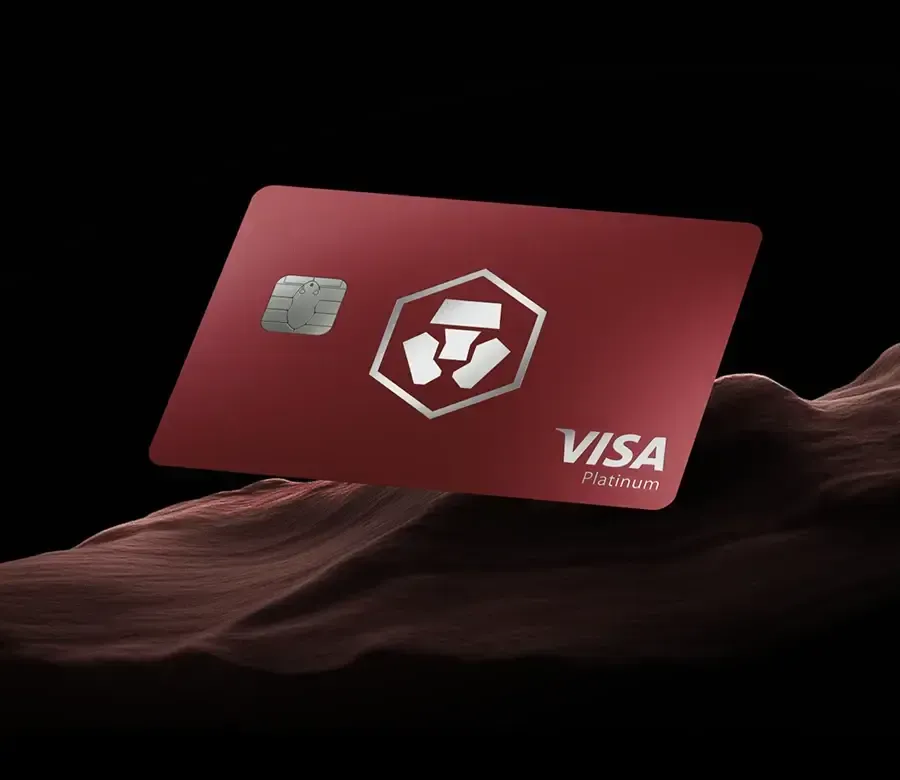
PLUS
2.0%
back in crypto · on every spend
€3.99 / month
or €39.90/year (€3.32/month)
Zero trading fees up to $20K/month
2.0% back in crypto on card spend
0% foreign exchange fees
EUR Cash Yield up to 1.35% p.a.
CRO Yield up to 2.00% p.a.
Virtual Visa card · Flexible cancel
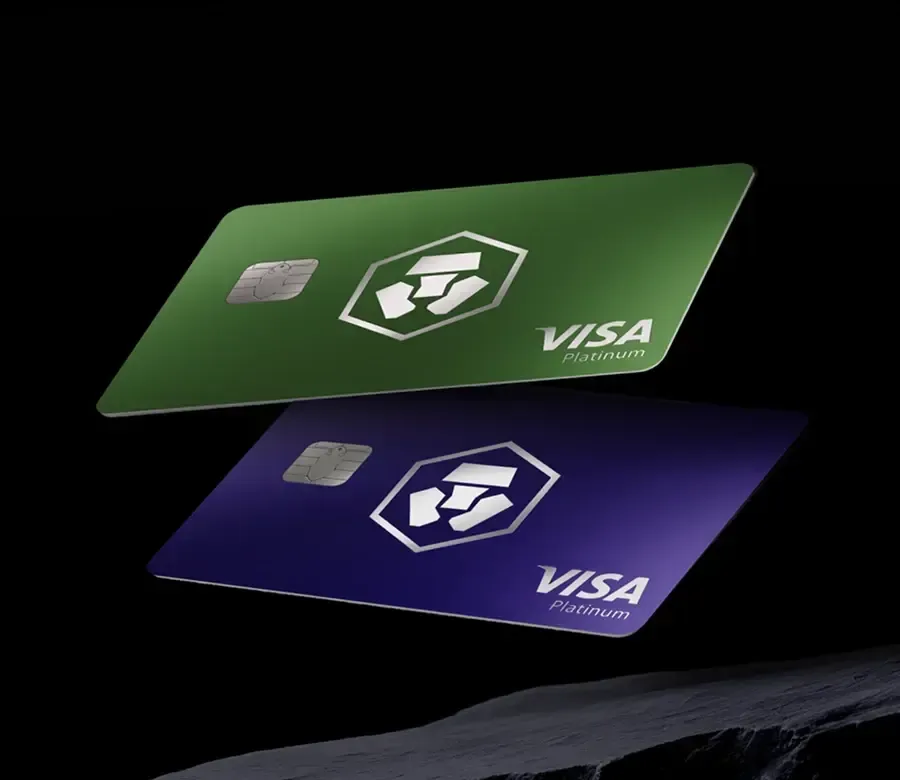
PRO
3.0%
back in crypto · on every spend
€24.99 / month
or €249.90/year (€20.82/month)
Zero trading fees up to $50K/month
3.0% back in crypto on card spend
0% foreign exchange fees
EUR Cash Yield up to 1.70% p.a.
CRO Yield up to 2.50% p.a.
Airport lounge access (Priority Pass)
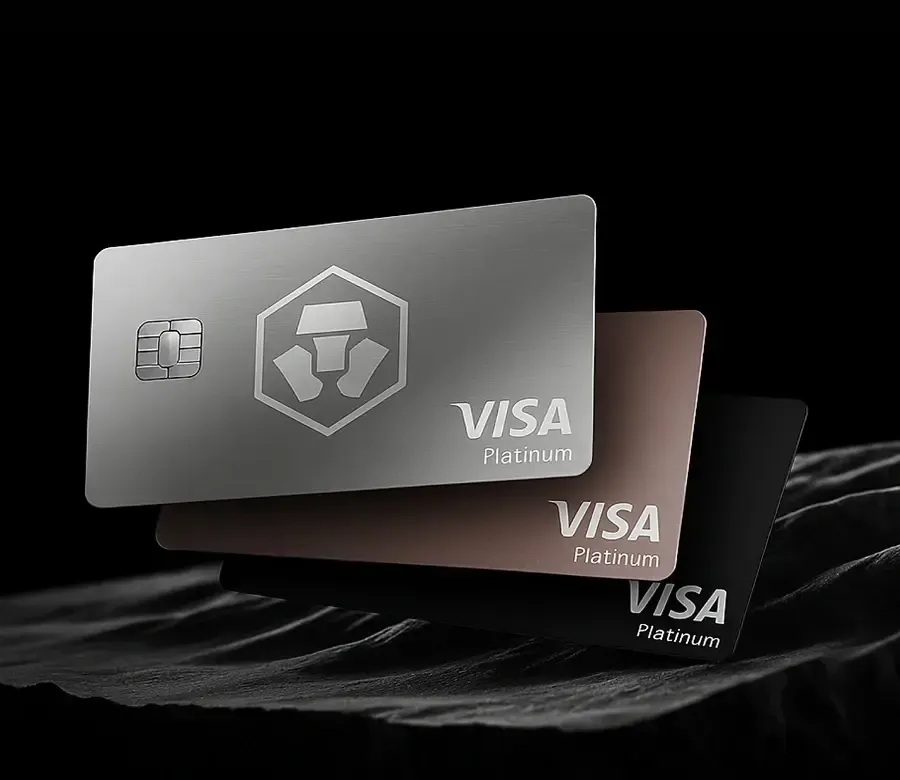
PRIVATE
4–6%
back in crypto · on every spend
CRO Lockup from €45,000
8.5% yield · 12-month staking · €450K tier at 9.5%
Zero trading fees · Unlimited volume
4.0%–6.0% back in crypto
0% foreign exchange fees
EUR Cash Yield up to 1.80% p.a.
Extra 1% p.a. on Earn allocations in CRO
VIP events · Exclusive experiences
8.5% CRO lockup rewards