
RR.L · London, United Kingdom
Rolls-Royce
One name. Two companies. One makes the finest cars. The other went bankrupt making jet engines and came back.
Live Price
—
Today
—
Symbol
RR.L
1904
The meeting at the Midland Hotel
Charles Rolls and Henry Royce met at the Midland Hotel in Manchester on May 4, 1904. Rolls was a wealthy aristocrat and motoring enthusiast who sold cars in London; Royce was a self-taught engineer from a poor family who had built his own car in Manchester. Rolls drove Royce's car and declared it the finest he had ever driven. They agreed that Rolls would sell all cars Royce could produce, badged as Rolls-Royce. The partnership united social connections with engineering genius.
1907
The Silver Ghost and the best car in the world
Rolls-Royce launched the Silver Ghost in 1907 — a 40/50hp car that The Autocar magazine declared "the best car in the world" after a 15,000-mile reliability trial. Henry Royce's engineering philosophy — "Strive for perfection in everything you do. Take the best that exists and make it better" — established standards of quality and reliability that became the foundation of the Rolls-Royce mystique.
1971
Bankruptcy and the nationalisation
Rolls-Royce — which by the 1960s had become primarily an aero engine manufacturer while the car division remained a smaller part of the business — collapsed in 1971 under the weight of fixed-price contracts for the RB211 jet engine, which proved far more expensive to develop than estimated. The British government nationalised the company to prevent its collapse, separating the aero engine business (Rolls-Royce plc) from the car business. The two companies have operated independently ever since, sharing only the name and the Spirit of Ecstasy mascot under a licensing arrangement.
1998
BMW gets the name. Volkswagen gets the factory.
Vickers sold the Rolls-Royce car brand in 1998 in one of the most complicated transactions in automotive history. Volkswagen paid £430 million for Rolls-Royce Motor Cars — only to discover it had bought the factory and the car designs but not the rights to the name, which were controlled by Rolls-Royce plc (the aero engine company). BMW paid £40 million for the brand name rights. BMW and Volkswagen agreed that Volkswagen would build Rolls-Royce cars until 2003, after which BMW would take over. BMW's Goodwood factory has produced the Phantom and subsequent models from 2003 onward.
2023
From COVID crisis to record performance
Rolls-Royce aero engines power wide-body long-haul aircraft — the category most devastated by COVID-19. Rolls-Royce's revenue model depended on flying hours, so when planes stopped flying, revenue collapsed. The company raised £2 billion in emergency capital in 2020, cutting 9,000 jobs. CEO Tufan Erginbilgin, appointed in 2023, launched a transformation programme that returned the company to profitability. By 2024, Rolls-Royce was reporting record underlying operating profit of £2.5 billion and the stock had recovered dramatically from its pandemic lows. The aero engine company that had gone bankrupt in 1971 and needed emergency rescue in 2020 was generating its strongest financial performance in decades.
The Numbers
market cap
$48.5B (July 2026)
revenue
$21.2B (FY2025)
net income
$2.8B (FY2025)
employees
42,000
ipo year
1987 (Privatization)
ipo price
85p
current ceo
Tufan Erginbilgic
revenue forecast
$23.4B (2026 analyst consensus)
Who Owns Rolls-Royce
Causeway Capital Management
Largest institutional shareholder
BlackRock
Institutional index investor
Vanguard Group
Passive institutional holder
Public float
Remaining shares publicly traded on London Stock Exchange
Frequently Asked Questions
Who founded Rolls-Royce?
Rolls-Royce was founded by Charles Rolls, Henry Royce.
When was Rolls-Royce founded?
Rolls-Royce was founded in 1904.
Where was Rolls-Royce founded?
Rolls-Royce was headquartered in London, United Kingdom.
Why was Rolls-Royce created?
Charles Rolls and Henry Royce met at the Midland Hotel in Manchester on May 4, 1904. Rolls was a wealthy aristocrat and motoring enthusiast who sold cars in London; Royce was a self-taught engineer from a poor family who had built his own car in Manchester. Rolls drove Royce's car and declared it the finest he had ever driven. They agreed that Rolls would sell all cars Royce could produce, badged as Rolls-Royce. The partnership united social connections with engineering genius.
What does Rolls-Royce do?
One name. Two companies. One makes the finest cars. The other went bankrupt making jet engines and came back. Rolls-Royce split into two companies sharing only a name. One makes luxury cars. The other went bankrupt twice and came back with record profits. The full story.
How did Rolls-Royce grow?
Rolls-Royce aero engines power wide-body long-haul aircraft — the category most devastated by COVID-19. Rolls-Royce's revenue model depended on flying hours, so when planes stopped flying, revenue collapsed. The company raised £2 billion in emergency capital in 2020, cutting 9,000 jobs. CEO Tufan Erginbilgin, appointed in 2023, launched a transformation programme that returned the company to profitability. By 2024, Rolls-Royce was reporting record underlying operating profit of £2.5 billion and the stock had recovered dramatically from its pandemic lows. The aero engine company that had gone bankrupt in 1971 and needed emergency rescue in 2020 was generating its strongest financial performance in decades.
Who owns Rolls-Royce?
Causeway Capital Management owns ~6.2%. BlackRock owns ~5.5%. Vanguard Group owns ~4.1%. Public float owns ~84.2% (Largest institutional shareholder)
How much of Rolls-Royce does Causeway Capital Management own?
Causeway Capital Management owns ~6.2% (Largest institutional shareholder)
When did Rolls-Royce go public?
Rolls-Royce had its IPO in 1987 (Privatization), with an initial share price of 85p.
How many employees does Rolls-Royce have?
Rolls-Royce has approximately 42,000 employees.
What is Rolls-Royce's revenue?
Rolls-Royce generated $21.2B (FY2025) in revenue. Analysts forecast $23.4B (2026 analyst consensus).
What is Rolls-Royce's market cap?
Rolls-Royce has a market capitalisation of $48.5B (July 2026).
Who is the CEO of Rolls-Royce?
The current CEO of Rolls-Royce is Tufan Erginbilgic.
Tools & Platforms
For Investors
The market doesn't care about your feelings.
But your broker's fees do.
But your broker's fees do.
Most people have a brokerage account. Fewer understand what it really costs them — in spreads, in fees, in missed instruments. Malta-regulated, direct market access, 600,000+ instruments.
Exante
Malta MFSA · 50 exchanges
Tickmill
Forex from 0.0 pips
Vantage
Multi-asset trading
Polymarket
Prediction markets
For Entrepreneurs
Opening a US company costs $300.
Most people think it's complicated. It isn't.
Most people think it's complicated. It isn't.
Most founders spend weeks on formation, banking and payments. The ones who move fast know which tools to use before they start. A US LLC, a real business account, and a way to pay people — in that order.
Mercury
Business finance · 300K+ founders
Doola
US LLC formation · YC backed
Melio
B2B payments
Xero 95% OFF
Accounting · 6 months
For C-Suite
Your competitor pays $200 less per month for EOR.
You're still on a spreadsheet.
You're still on a spreadsheet.
BVNK hired 20% of its workforce through Deel. The smartest operators aren't managing payroll complexity — they're outsourcing it. EOR in 150+ countries, multi-currency accounts, workforce payments at $200 less per month than competitors.
Deel
EOR · 150+ countries
Payoneer
$399/mo EOR · Save $200
Wise Business
40+ currencies · No hidden fees
Gusto
US payroll & benefits
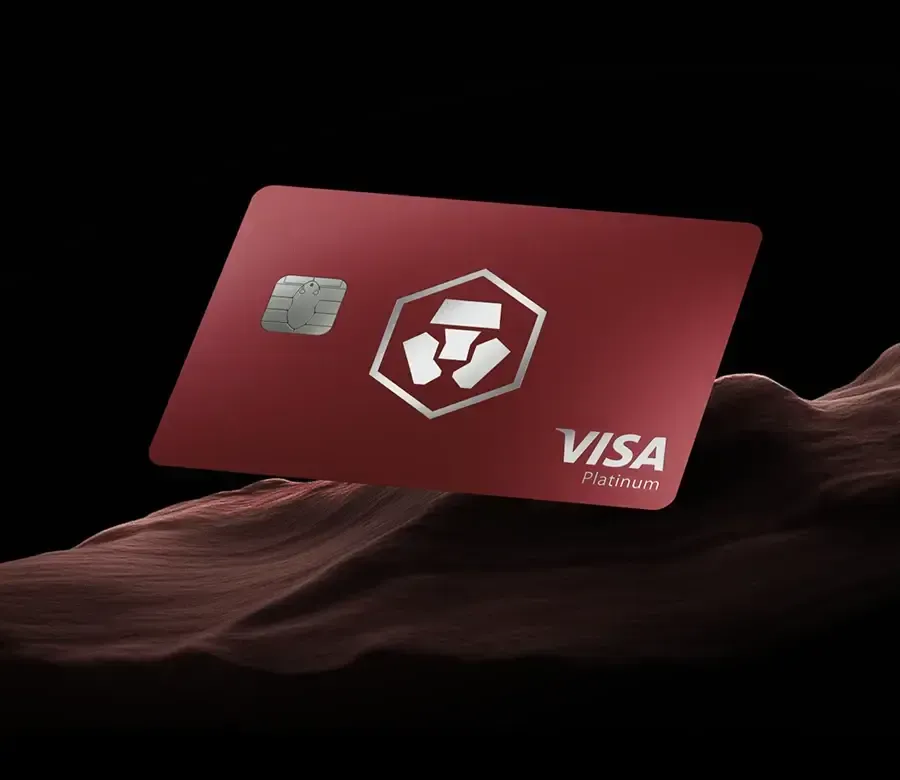
PLUS
2.0%
back in crypto · on every spend
€3.99 / month
or €39.90/year (€3.32/month)
Zero trading fees up to $20K/month
2.0% back in crypto on card spend
0% foreign exchange fees
EUR Cash Yield up to 1.35% p.a.
CRO Yield up to 2.00% p.a.
Virtual Visa card · Flexible cancel
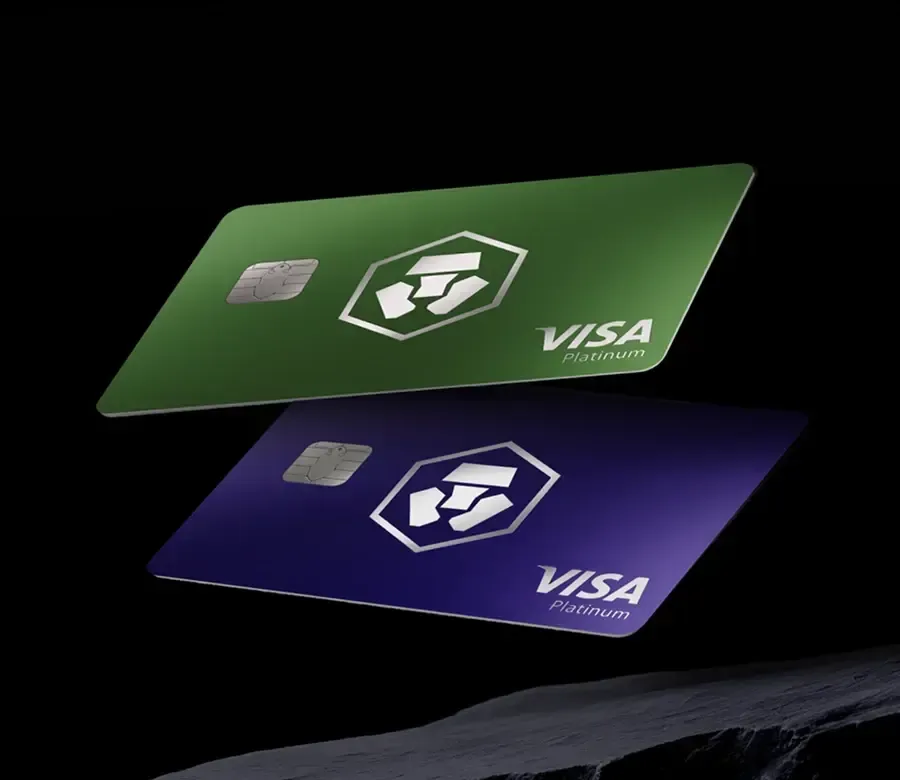
PRO
3.0%
back in crypto · on every spend
€24.99 / month
or €249.90/year (€20.82/month)
Zero trading fees up to $50K/month
3.0% back in crypto on card spend
0% foreign exchange fees
EUR Cash Yield up to 1.70% p.a.
CRO Yield up to 2.50% p.a.
Airport lounge access (Priority Pass)
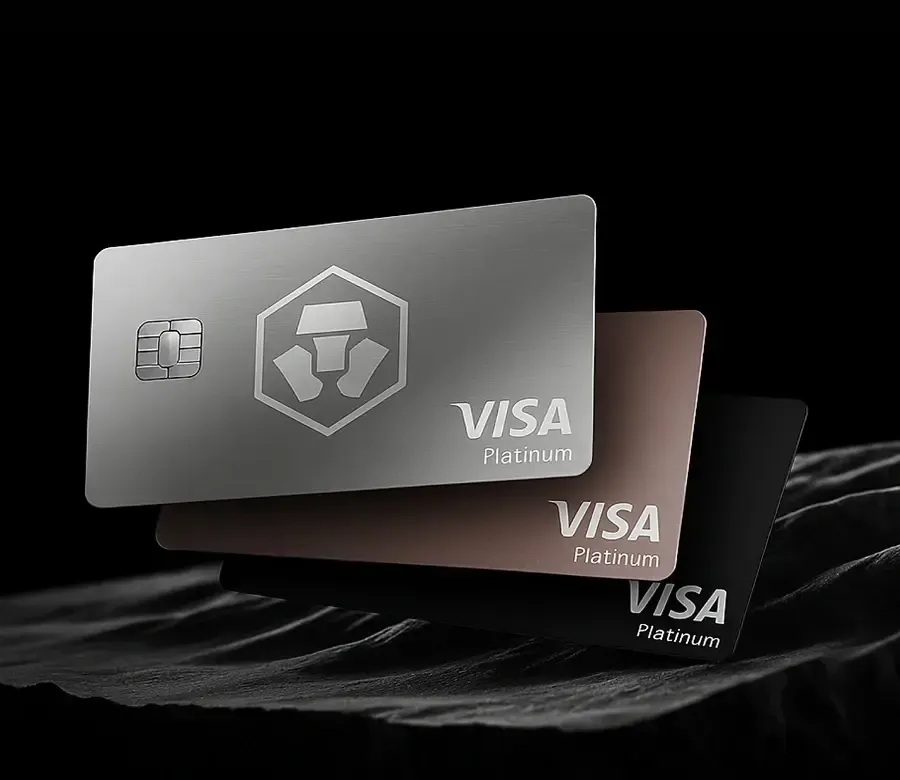
PRIVATE
4–6%
back in crypto · on every spend
CRO Lockup from €45,000
8.5% yield · 12-month staking · €450K tier at 9.5%
Zero trading fees · Unlimited volume
4.0%–6.0% back in crypto
0% foreign exchange fees
EUR Cash Yield up to 1.80% p.a.
Extra 1% p.a. on Earn allocations in CRO
VIP events · Exclusive experiences
8.5% CRO lockup rewards