
SONY · Tokyo, Japan
Sony
Started in a bombed-out department store. Built the Walkman. PS5 hit 93 million units.
Live Price
—
Today
—
Symbol
SONY
1946
A burnt-out department store in postwar Tokyo
Masaru Ibuka and Akio Morita founded Tokyo Tsushin Kogyo — Tokyo Telecommunications Engineering Corporation — in the bombed-out Shirokiya department store in Tokyo in May 1946, with ¥190,000 in capital and 20 employees. Japan had surrendered nine months earlier. The founders' original product was a rice cooker that failed to cook rice properly. Ibuka later said the failed rice cooker taught them that innovation required multiple attempts.
1955
The first transistor radio and the American market
Sony — as the company was renamed in 1958 — launched Japan's first transistor radio in 1955. Morita personally took the product to the United States to sell it to Bulova, who offered to buy 100,000 units but required them to carry the Bulova name. Morita refused, insisting the Sony name appear on every product. Bulova's representative reportedly told him: "Our company name is a 50-year-old name. Who has ever heard of Sony?" Morita refused anyway. It was the right decision.
1979
The Walkman and the portable revolution
Sony launched the Walkman in July 1979 — a portable cassette player that allowed people to listen to music privately while moving through the world. Sony's own market research suggested it would fail. Ibuka overruled the research because he wanted one for himself. The Walkman sold 50,000 units in its first two months. Over 400 million Walkmans were eventually sold. The concept of personalised portable entertainment that the Walkman introduced is the direct ancestor of the iPod, the smartphone, and streaming audio.
1994
PlayStation and the gaming empire
Sony launched the PlayStation in Japan in December 1994 — a console that had originally been developed as a CD-ROM add-on for the Super Nintendo, in collaboration with Nintendo, before Nintendo cancelled the partnership. Sony turned their cancelled Nintendo project into an industry-defining product. Within two years, PlayStation had outsold Nintendo 64. The PlayStation brand would eventually become the most profitable division Sony had ever built.
2025
PS5 hits 93 million units — the most profitable PlayStation generation
PlayStation 5 reached 93.7 million cumulative hardware units shipped by March 2026, making it the most profitable PlayStation generation in history — generating over $136 billion in total sales and $13 billion in operating income across its lifecycle. PlayStation Network had 132 million monthly active users at its December 2025 peak. Sony's Game & Network Services division generated $29.8 billion in revenue in fiscal year 2025, with record operating income of $2.9 billion. Sony Group as a whole posted record revenue and operating income in FY2025, with gaming, music, and imaging all hitting profit highs simultaneously. The company that had started in a bombed-out department store with a rice cooker that didn't cook rice had become one of the most diversified entertainment and technology companies on earth.
The Numbers
market cap
$118.4B (July 2026)
revenue
$82.9B (FY2025)
net income
$6.4B (FY2025)
employees
113,000
ipo year
1958 (Tokyo), 1970 (NYSE)
ipo price
N/A
current ceo
Kenichiro Yoshida
revenue forecast
$85.2B (2026 analyst consensus)
Who Owns Sony
The Master Trust Bank of Japan
Trust account / Institutional
Custody Bank of Japan
Trust account / Custodian
Primecap Management
Major US institutional holder of ADRs
Public float
Remaining shares publicly traded
Frequently Asked Questions
Who founded Sony?
Sony was founded by Masaru Ibuka, Akio Morita.
When was Sony founded?
Sony was founded in 1946.
Where was Sony founded?
Sony was headquartered in Tokyo, Japan.
Why was Sony created?
Masaru Ibuka and Akio Morita founded Tokyo Tsushin Kogyo — Tokyo Telecommunications Engineering Corporation — in the bombed-out Shirokiya department store in Tokyo in May 1946, with ¥190,000 in capital and 20 employees. Japan had surrendered nine months earlier. The founders' original product was a rice cooker that failed to cook rice properly. Ibuka later said the failed rice cooker taught them that innovation required multiple attempts.
What does Sony do?
Started in a bombed-out department store. Built the Walkman. PS5 hit 93 million units. Sony started in a bombed-out Tokyo department store. Built the Walkman. PS5 shipped 93 million units — the most profitable PlayStation generation ever. The full story.
How did Sony grow?
PlayStation 5 reached 93.7 million cumulative hardware units shipped by March 2026, making it the most profitable PlayStation generation in history — generating over $136 billion in total sales and $13 billion in operating income across its lifecycle. PlayStation Network had 132 million monthly active users at its December 2025 peak. Sony's Game & Network Services division generated $29.8 billion in revenue in fiscal year 2025, with record operating income of $2.9 billion. Sony Group as a whole posted record revenue and operating income in FY2025, with gaming, music, and imaging all hitting profit highs simultaneously. The company that had started in a bombed-out department store with a rice cooker that didn't cook rice had become one of the most diversified entertainment and technology companies on earth.
Who owns Sony?
The Master Trust Bank of Japan owns ~16.5%. Custody Bank of Japan owns ~6.2%. Primecap Management owns ~2.5%. Public float owns ~74.8% (Trust account / Institutional)
How much of Sony does The Master Trust Bank of Japan own?
The Master Trust Bank of Japan owns ~16.5% (Trust account / Institutional)
When did Sony go public?
Sony had its IPO in 1958 (Tokyo), 1970 (NYSE), with an initial share price of N/A.
How many employees does Sony have?
Sony has approximately 113,000 employees.
What is Sony's revenue?
Sony generated $82.9B (FY2025) in revenue. Analysts forecast $85.2B (2026 analyst consensus).
What is Sony's market cap?
Sony has a market capitalisation of $118.4B (July 2026).
Who is the CEO of Sony?
The current CEO of Sony is Kenichiro Yoshida.
Tools & Platforms
For Investors
The market doesn't care about your feelings.
But your broker's fees do.
But your broker's fees do.
Most people have a brokerage account. Fewer understand what it really costs them — in spreads, in fees, in missed instruments. Malta-regulated, direct market access, 600,000+ instruments.
Exante
Malta MFSA · 50 exchanges
Tickmill
Forex from 0.0 pips
Vantage
Multi-asset trading
Polymarket
Prediction markets
For Entrepreneurs
Opening a US company costs $300.
Most people think it's complicated. It isn't.
Most people think it's complicated. It isn't.
Most founders spend weeks on formation, banking and payments. The ones who move fast know which tools to use before they start. A US LLC, a real business account, and a way to pay people — in that order.
Mercury
Business finance · 300K+ founders
Doola
US LLC formation · YC backed
Melio
B2B payments
Xero 95% OFF
Accounting · 6 months
For C-Suite
Your competitor pays $200 less per month for EOR.
You're still on a spreadsheet.
You're still on a spreadsheet.
BVNK hired 20% of its workforce through Deel. The smartest operators aren't managing payroll complexity — they're outsourcing it. EOR in 150+ countries, multi-currency accounts, workforce payments at $200 less per month than competitors.
Deel
EOR · 150+ countries
Payoneer
$399/mo EOR · Save $200
Wise Business
40+ currencies · No hidden fees
Gusto
US payroll & benefits
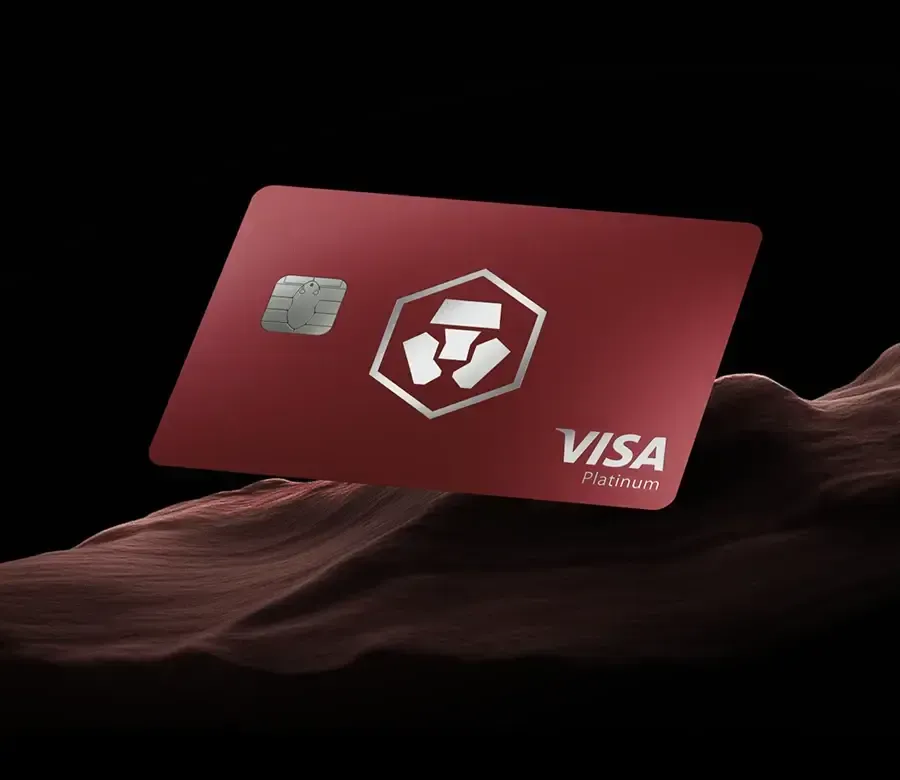
PLUS
2.0%
back in crypto · on every spend
€3.99 / month
or €39.90/year (€3.32/month)
Zero trading fees up to $20K/month
2.0% back in crypto on card spend
0% foreign exchange fees
EUR Cash Yield up to 1.35% p.a.
CRO Yield up to 2.00% p.a.
Virtual Visa card · Flexible cancel
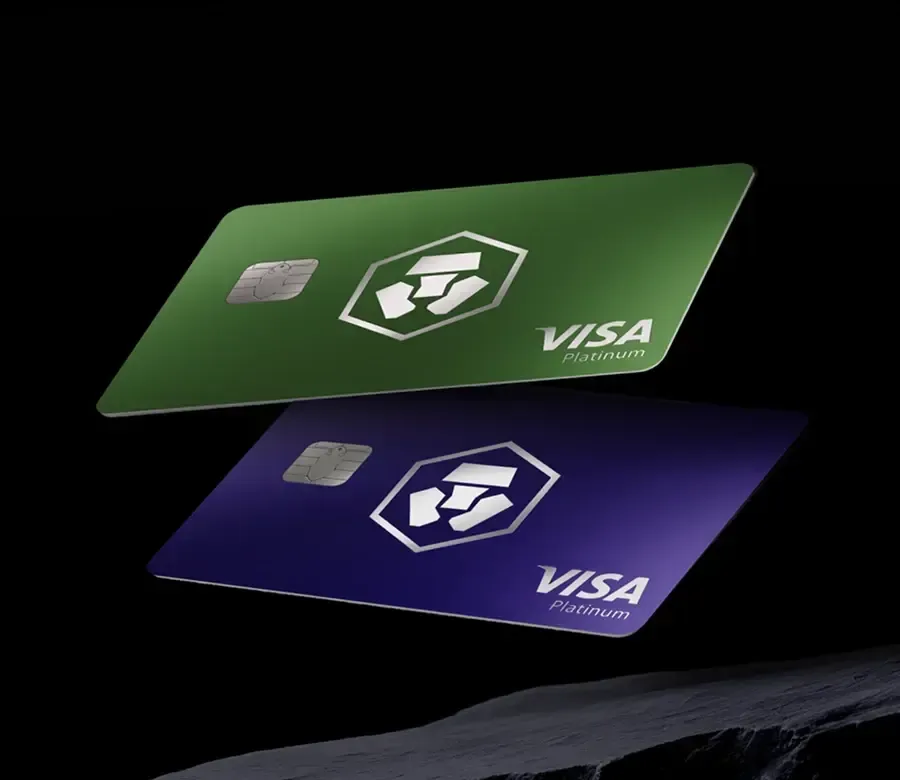
PRO
3.0%
back in crypto · on every spend
€24.99 / month
or €249.90/year (€20.82/month)
Zero trading fees up to $50K/month
3.0% back in crypto on card spend
0% foreign exchange fees
EUR Cash Yield up to 1.70% p.a.
CRO Yield up to 2.50% p.a.
Airport lounge access (Priority Pass)
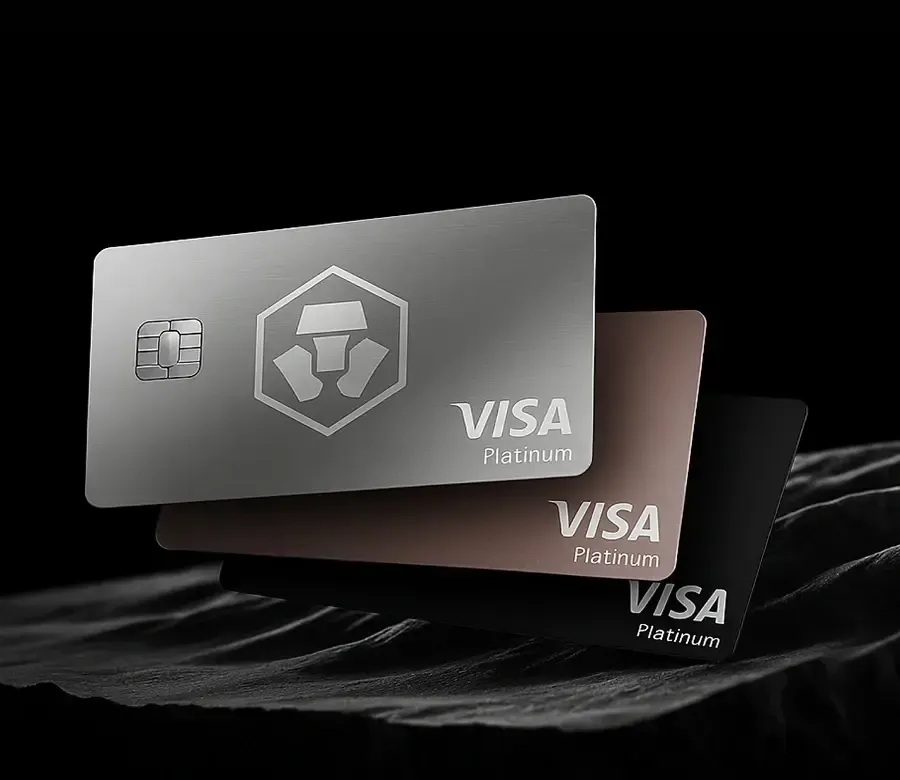
PRIVATE
4–6%
back in crypto · on every spend
CRO Lockup from €45,000
8.5% yield · 12-month staking · €450K tier at 9.5%
Zero trading fees · Unlimited volume
4.0%–6.0% back in crypto
0% foreign exchange fees
EUR Cash Yield up to 1.80% p.a.
Extra 1% p.a. on Earn allocations in CRO
VIP events · Exclusive experiences
8.5% CRO lockup rewards