
NOK · Espoo, Finland
Nokia
Started as a rubber boot company. Dominated mobile phones. Lost everything to a touchscreen. Now surviving on 5G infrastructure.
Live Price
—
Today
—
Symbol
NOK
1865
A paper mill on a Finnish river
Nokia was founded in 1865 as a wood pulp mill on the banks of the Nokianvirta river in Finland by Fredrik Idestam. The company name came from the river. Nokia later diversified into rubber products — including the rubber boots that became famous across Northern Europe — and then into cables and electronics. By the 1960s, Nokia was a conglomerate making paper, rubber, and consumer electronics with no particular specialisation.
1992
The pivot to mobile phones
Nokia CEO Jorma Ollila made a radical decision in 1992: sell everything except mobile phones. Nokia divested its paper, rubber, cable, and consumer electronics divisions and bet the entire company on the emerging mobile telecommunications market. It was considered an absurd gamble — Nokia was a minor player in a market dominated by Motorola and Ericsson. By 1998, Nokia was the world's largest mobile phone manufacturer, holding over 40% of the global market.
2000
The phone everyone owned
The Nokia 3310, launched in 2000, sold 126 million units and became one of the best-selling consumer products in history. Nokia's ringtone — a melody taken from Francisco Tárrega's "Gran Vals" — was heard over 1.8 billion times per day worldwide. Finland's GDP was meaningfully dependent on Nokia's performance. The company seemed invincible.
2007
The touchscreen Nokia ignored
Nokia's internal engineers had developed touchscreen prototypes as early as the late 1990s. The company had the technology to build a smartphone years before the iPhone. Internal research predicted that consumers would want internet-connected touchscreen devices. Middle management killed the projects repeatedly, believing they threatened Nokia's existing hardware business. When Steve Jobs unveiled the iPhone in January 2007, Nokia's CEO dismissed it as a niche product. Within five years, Nokia's market share had collapsed from 40% to under 5%.
2013
Microsoft buys Nokia for $7.2 billion — and destroys it
Microsoft acquired Nokia's mobile phone business in 2013 for $7.2 billion. The acquisition was a disaster. Microsoft wrote down $7.6 billion — more than the purchase price — in 2015, and laid off 25,000 employees. The Nokia brand was sold to HMD Global in 2016. The Nokia 3310 was relaunched as a nostalgia product in 2017. People bought it entirely for sentimental reasons.
2025
9,000 jobs cut and a pivot to AI infrastructure
Nokia spent 2023-2025 cutting between 9,000 and 14,000 jobs — reducing its global workforce from 86,000 to around 75,600 — as 5G infrastructure spending by telecom operators collapsed after the initial deployment boom. Spending on radio access network products fell from $45 billion in 2022 to $35 billion in 2024. Nokia restructured from five business units into two, hired its first American CEO, and accepted a $1 billion investment from Nvidia to develop 5G and 6G software running on GPUs. The company that had once made rubber boots and then dominated mobile phones was now fighting to survive as a network infrastructure supplier — in a market it had helped create, against rivals who had caught up.
Frequently Asked Questions
Who founded Nokia?
Nokia was founded by Fredrik Idestam.
When was Nokia founded?
Nokia was founded in 1865.
Where was Nokia founded?
Nokia was headquartered in Espoo, Finland.
Why was Nokia created?
Nokia was founded in 1865 as a wood pulp mill on the banks of the Nokianvirta river in Finland by Fredrik Idestam. The company name came from the river. Nokia later diversified into rubber products — including the rubber boots that became famous across Northern Europe — and then into cables and electronics. By the 1960s, Nokia was a conglomerate making paper, rubber, and consumer electronics with no particular specialisation.
What does Nokia do?
Started as a rubber boot company. Dominated mobile phones. Lost everything to a touchscreen. Now surviving on 5G infrastructure. Nokia dominated mobile phones with 40% market share and then ignored the touchscreen. Now cutting thousands of jobs in a 5G slump. The full story of Nokia.
How did Nokia grow?
Nokia spent 2023-2025 cutting between 9,000 and 14,000 jobs — reducing its global workforce from 86,000 to around 75,600 — as 5G infrastructure spending by telecom operators collapsed after the initial deployment boom. Spending on radio access network products fell from $45 billion in 2022 to $35 billion in 2024. Nokia restructured from five business units into two, hired its first American CEO, and accepted a $1 billion investment from Nvidia to develop 5G and 6G software running on GPUs. The company that had once made rubber boots and then dominated mobile phones was now fighting to survive as a network infrastructure supplier — in a market it had helped create, against rivals who had caught up.
Tools & Platforms
For Investors
The market doesn't care about your feelings.
But your broker's fees do.
But your broker's fees do.
Most people have a brokerage account. Fewer understand what it really costs them — in spreads, in fees, in missed instruments. Malta-regulated, direct market access, 600,000+ instruments.
Exante
Malta MFSA · 50 exchanges
Tickmill
Forex from 0.0 pips
Vantage
Multi-asset trading
Polymarket
Prediction markets
For Entrepreneurs
Opening a US company costs $300.
Most people think it's complicated. It isn't.
Most people think it's complicated. It isn't.
Most founders spend weeks on formation, banking and payments. The ones who move fast know which tools to use before they start. A US LLC, a real business account, and a way to pay people — in that order.
Mercury
Business finance · 300K+ founders
Doola
US LLC formation · YC backed
Melio
B2B payments
Xero 95% OFF
Accounting · 6 months
For C-Suite
Your competitor pays $200 less per month for EOR.
You're still on a spreadsheet.
You're still on a spreadsheet.
BVNK hired 20% of its workforce through Deel. The smartest operators aren't managing payroll complexity — they're outsourcing it. EOR in 150+ countries, multi-currency accounts, workforce payments at $200 less per month than competitors.
Deel
EOR · 150+ countries
Payoneer
$399/mo EOR · Save $200
Wise Business
40+ currencies · No hidden fees
Gusto
US payroll & benefits
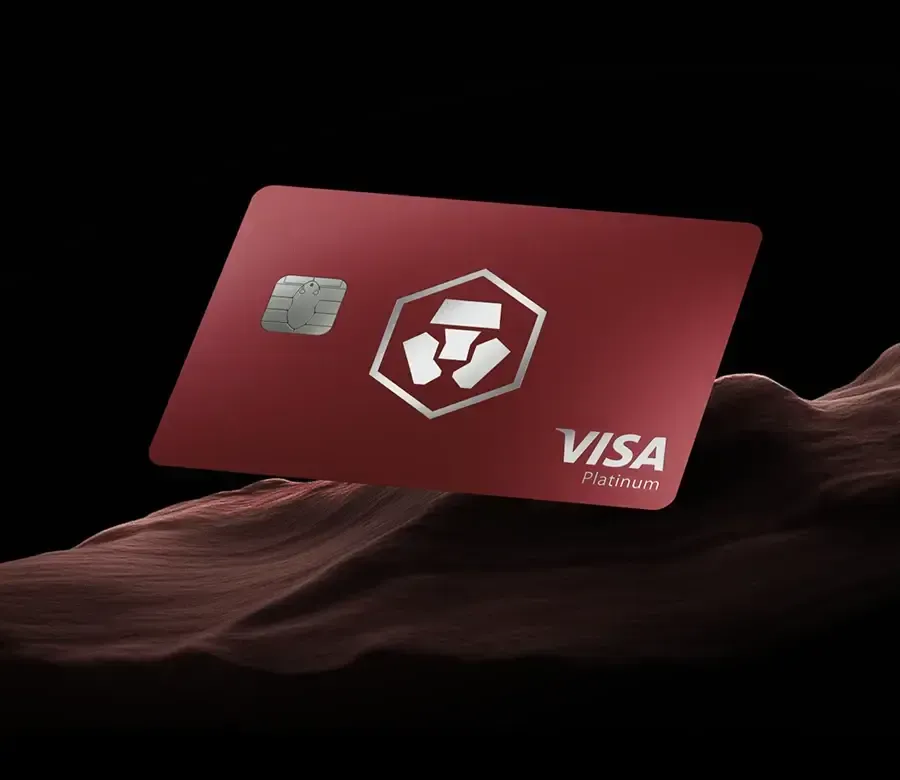
PLUS
2.0%
back in crypto · on every spend
€3.99 / month
or €39.90/year (€3.32/month)
Zero trading fees up to $20K/month
2.0% back in crypto on card spend
0% foreign exchange fees
EUR Cash Yield up to 1.35% p.a.
CRO Yield up to 2.00% p.a.
Virtual Visa card · Flexible cancel
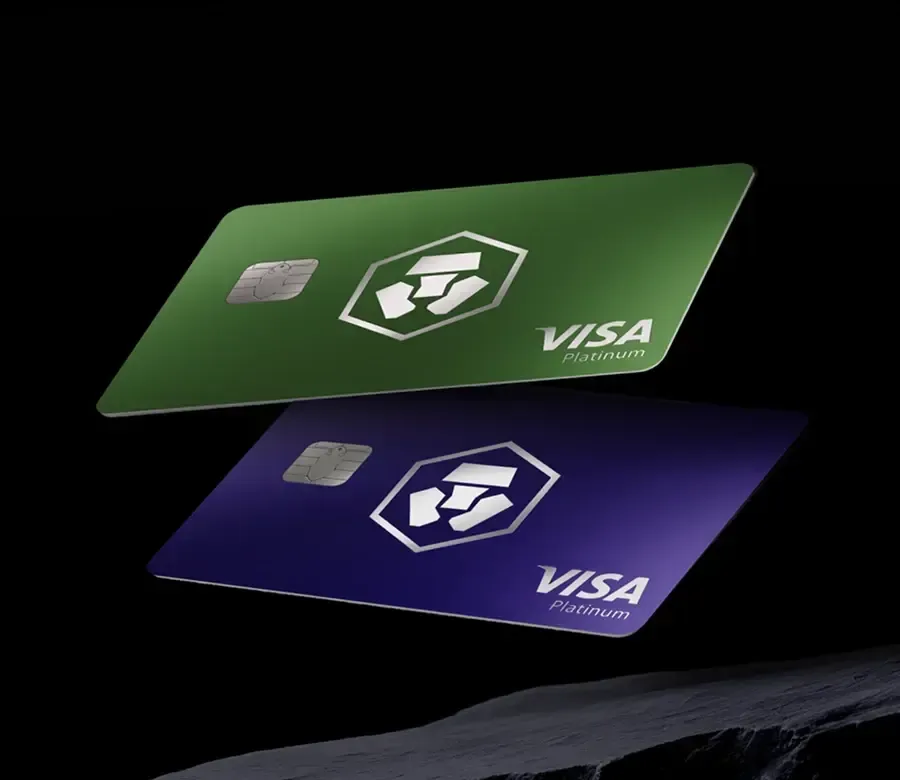
PRO
3.0%
back in crypto · on every spend
€24.99 / month
or €249.90/year (€20.82/month)
Zero trading fees up to $50K/month
3.0% back in crypto on card spend
0% foreign exchange fees
EUR Cash Yield up to 1.70% p.a.
CRO Yield up to 2.50% p.a.
Airport lounge access (Priority Pass)
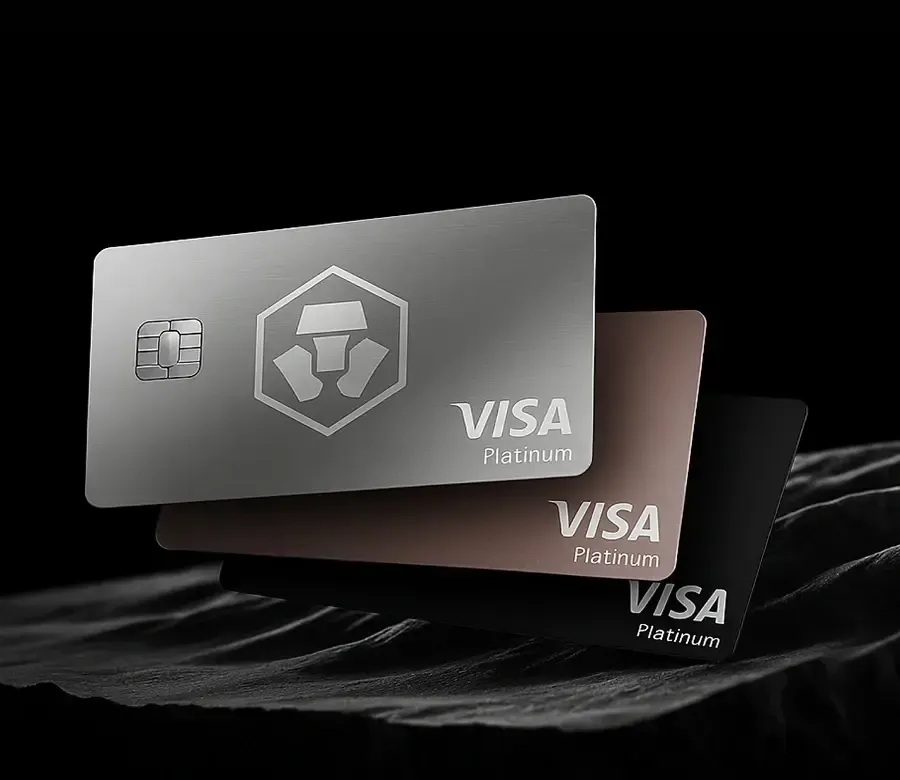
PRIVATE
4–6%
back in crypto · on every spend
CRO Lockup from €45,000
8.5% yield · 12-month staking · €450K tier at 9.5%
Zero trading fees · Unlimited volume
4.0%–6.0% back in crypto
0% foreign exchange fees
EUR Cash Yield up to 1.80% p.a.
Extra 1% p.a. on Earn allocations in CRO
VIP events · Exclusive experiences
8.5% CRO lockup rewards
Also in The Garage
BlackBerry
Obama's favourite phone. Then the iPhone arrived. Now a cybersecurity company almost nobody has heard of.