
BB · Waterloo, Ontario, Canada
BlackBerry
Obama's favourite phone. Then the iPhone arrived. Now a cybersecurity company almost nobody has heard of.
Live Price
—
Today
—
Symbol
BB
1984
Research In Motion and the wireless dream
Mike Lazaridis and Douglas Fregin founded Research In Motion in a Waterloo, Ontario garage in 1984. Lazaridis had a vision of wirelessly connected devices at a time when the concept seemed purely theoretical. The company spent its first decade building wireless infrastructure components for other companies, generating enough revenue to fund Lazaridis's real obsession: a handheld device that could send and receive email wirelessly.
1999
The BlackBerry and the CrackBerry addiction
RIM launched the BlackBerry 850 in 1999 — a pager-sized device with a tiny QWERTY keyboard that could send and receive emails wirelessly. Corporate executives who had previously been unreachable when away from their desks were now permanently connected. The device became so addictive that users nicknamed it the "CrackBerry." By 2007, BlackBerry had 8 million subscribers and was the dominant device for business communication worldwide. Barack Obama was so attached to his BlackBerry that the Secret Service had to negotiate terms for him to keep it after becoming President.
2007
The iPhone and the famous dismissal
When Steve Jobs unveiled the iPhone in January 2007, RIM co-CEO Jim Balsillie said he was not worried — the iPhone lacked the security and enterprise features that BlackBerry's corporate customers required. Co-CEO Mike Lazaridis agreed, adding that the iPhone's battery life was inadequate. Both assessments were partially correct. Both turned out to be irrelevant. Consumers chose the iPhone anyway, and enterprise IT departments followed their employees. BlackBerry's market share fell from approximately 50% to under 1% in six years.
2016
Abandoning hardware, pivoting to cybersecurity
BlackBerry abandoned smartphone hardware manufacturing in 2016 — ending the device that had defined it — and pivoted entirely to enterprise software and cybersecurity. The company's QNX operating system, which runs in over 235 million vehicles worldwide, became its most valuable asset. BlackBerry also developed cybersecurity software for government and enterprise clients, building a business that was profitable but a fraction of the company's former scale.
2025
The IoT company almost nobody remembers as a phone brand
By 2025, BlackBerry had transformed into a software company focused on endpoint security, automotive embedded systems, and government cybersecurity — with revenue around $500 million annually. The physical keyboard that had once been the most influential human-computer interface in business history was a collector's item. The company that had been Barack Obama's favourite phone and the most addictive device in corporate history was now a mid-sized software vendor that most of its former users had forgotten entirely.
Frequently Asked Questions
Who founded BlackBerry?
BlackBerry was founded by Mike Lazaridis, Douglas Fregin.
When was BlackBerry founded?
BlackBerry was founded in 1984.
Where was BlackBerry founded?
BlackBerry was headquartered in Waterloo, Ontario, Canada.
Why was BlackBerry created?
Mike Lazaridis and Douglas Fregin founded Research In Motion in a Waterloo, Ontario garage in 1984. Lazaridis had a vision of wirelessly connected devices at a time when the concept seemed purely theoretical. The company spent its first decade building wireless infrastructure components for other companies, generating enough revenue to fund Lazaridis's real obsession: a handheld device that could send and receive email wirelessly.
What does BlackBerry do?
Obama's favourite phone. Then the iPhone arrived. Now a cybersecurity company almost nobody has heard of. BlackBerry had 50% smartphone market share and was Obama's favourite phone. Now it's a cybersecurity company. The full story of BlackBerry's rise and fall.
How did BlackBerry grow?
By 2025, BlackBerry had transformed into a software company focused on endpoint security, automotive embedded systems, and government cybersecurity — with revenue around $500 million annually. The physical keyboard that had once been the most influential human-computer interface in business history was a collector's item. The company that had been Barack Obama's favourite phone and the most addictive device in corporate history was now a mid-sized software vendor that most of its former users had forgotten entirely.
Tools & Platforms
For Investors
The market doesn't care about your feelings.
But your broker's fees do.
But your broker's fees do.
Most people have a brokerage account. Fewer understand what it really costs them — in spreads, in fees, in missed instruments. Malta-regulated, direct market access, 600,000+ instruments.
Exante
Malta MFSA · 50 exchanges
Tickmill
Forex from 0.0 pips
Vantage
Multi-asset trading
Polymarket
Prediction markets
For Entrepreneurs
Opening a US company costs $300.
Most people think it's complicated. It isn't.
Most people think it's complicated. It isn't.
Most founders spend weeks on formation, banking and payments. The ones who move fast know which tools to use before they start. A US LLC, a real business account, and a way to pay people — in that order.
Mercury
Business finance · 300K+ founders
Doola
US LLC formation · YC backed
Melio
B2B payments
Xero 95% OFF
Accounting · 6 months
For C-Suite
Your competitor pays $200 less per month for EOR.
You're still on a spreadsheet.
You're still on a spreadsheet.
BVNK hired 20% of its workforce through Deel. The smartest operators aren't managing payroll complexity — they're outsourcing it. EOR in 150+ countries, multi-currency accounts, workforce payments at $200 less per month than competitors.
Deel
EOR · 150+ countries
Payoneer
$399/mo EOR · Save $200
Wise Business
40+ currencies · No hidden fees
Gusto
US payroll & benefits
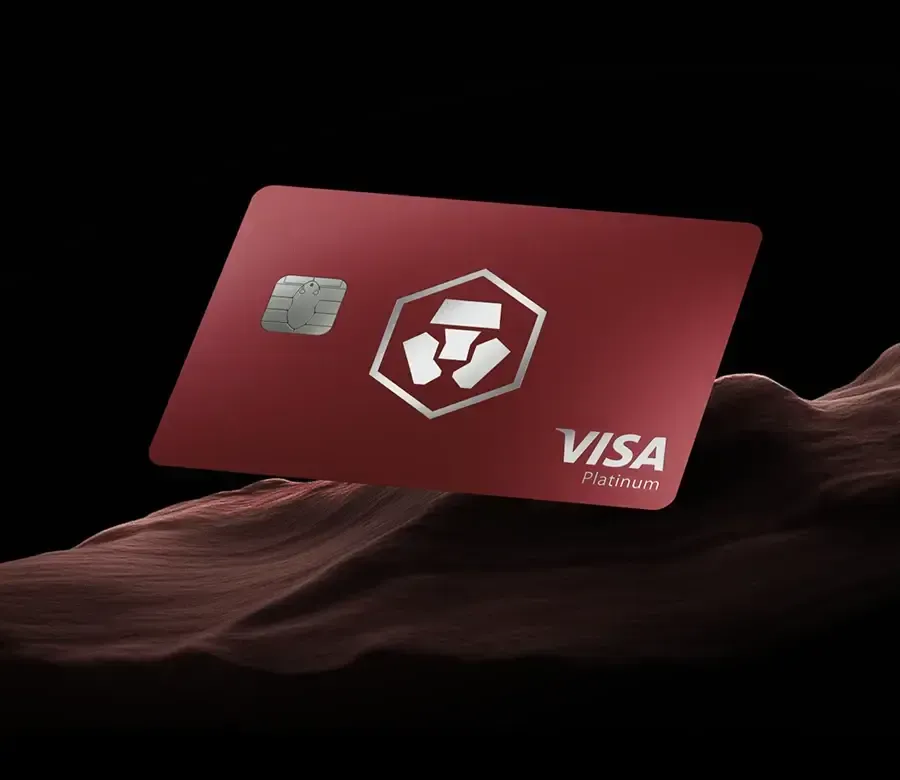
PLUS
2.0%
back in crypto · on every spend
€3.99 / month
or €39.90/year (€3.32/month)
Zero trading fees up to $20K/month
2.0% back in crypto on card spend
0% foreign exchange fees
EUR Cash Yield up to 1.35% p.a.
CRO Yield up to 2.00% p.a.
Virtual Visa card · Flexible cancel
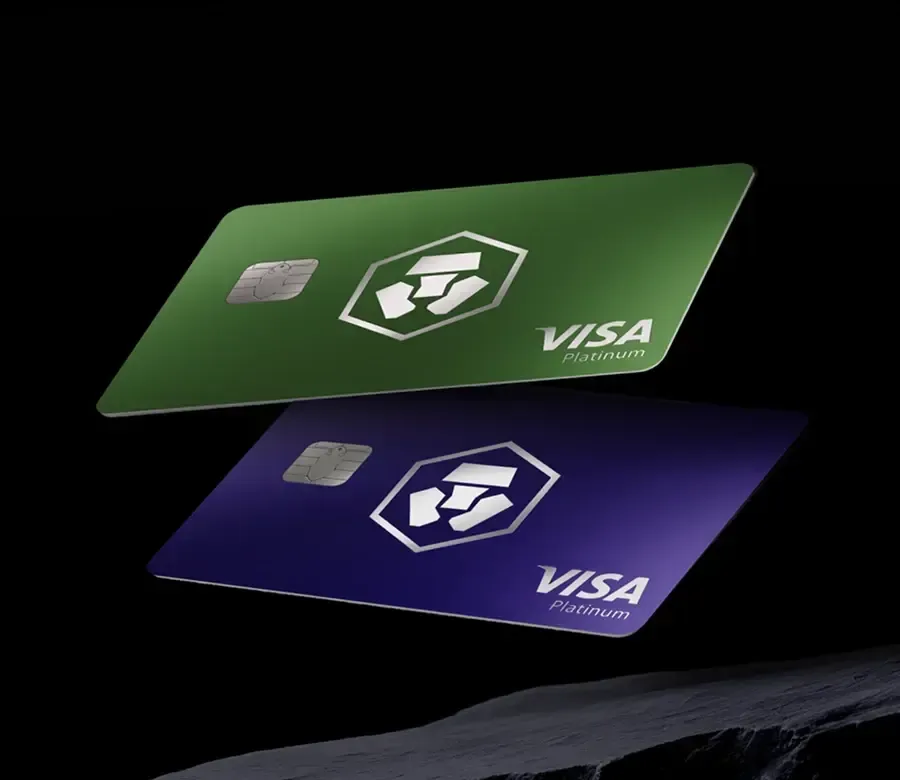
PRO
3.0%
back in crypto · on every spend
€24.99 / month
or €249.90/year (€20.82/month)
Zero trading fees up to $50K/month
3.0% back in crypto on card spend
0% foreign exchange fees
EUR Cash Yield up to 1.70% p.a.
CRO Yield up to 2.50% p.a.
Airport lounge access (Priority Pass)
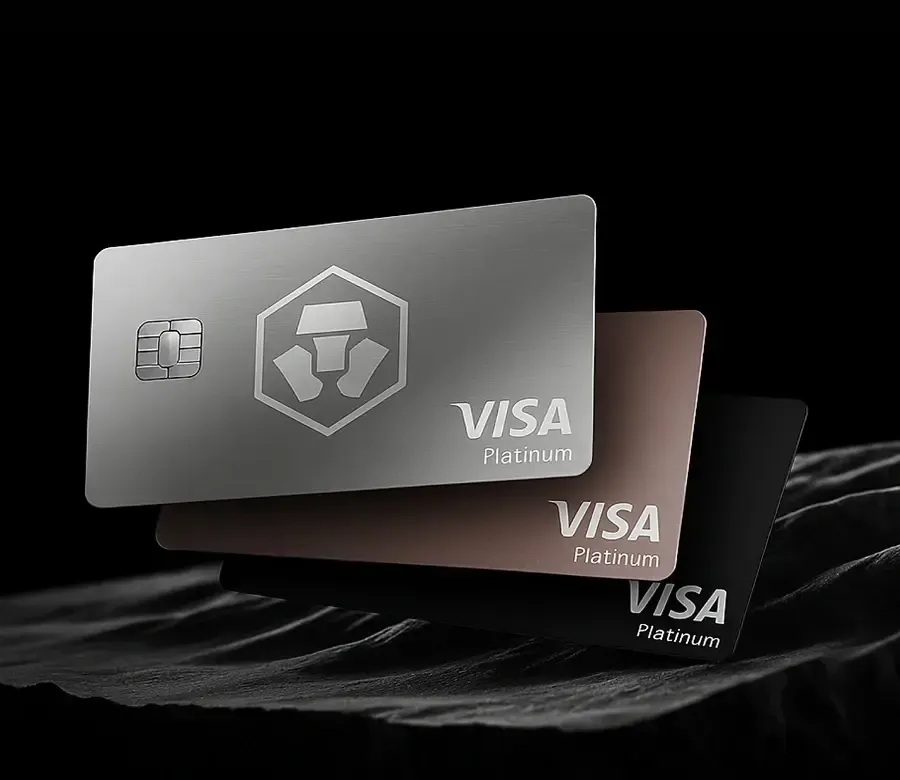
PRIVATE
4–6%
back in crypto · on every spend
CRO Lockup from €45,000
8.5% yield · 12-month staking · €450K tier at 9.5%
Zero trading fees · Unlimited volume
4.0%–6.0% back in crypto
0% foreign exchange fees
EUR Cash Yield up to 1.80% p.a.
Extra 1% p.a. on Earn allocations in CRO
VIP events · Exclusive experiences
8.5% CRO lockup rewards
Also in The Garage
Apple
From a garage in Los Altos to a $4 trillion company. The most improbable story in business history.
Samsung
Started selling dried fish. Now makes the chips inside your iPhone. Q4 2025 profit tripled on AI demand.