
Private · Geneva, Switzerland
Rolex
Everyone said wristwatches were toys. Hans Wilsdorf proved them wrong. Now Rolex is owned by a charity and nobody knows how much money it makes.
Live Price
—
Today
—
Symbol
Private
1905
A German orphan in London
Hans Wilsdorf was born in Bavaria in 1881 and orphaned at 12. He moved to London in 1900 and founded a watch importing business with his brother-in-law Alfred Davis in 1905, importing Swiss movements and fitting them into cases. Wilsdorf was convinced that wristwatches — worn predominantly by women and considered fashion accessories rather than serious timekeepers — could be made precise enough for professional use. The watch industry disagreed. Pocket watches were considered the only serious timekeeping instruments.
1910
The first wristwatch to receive a chronometer certificate
Wilsdorf registered the Rolex name in 1908 — choosing it because it was short, easy to pronounce in any language, and looked good on a watch dial. In 1910, a Rolex wristwatch became the first wristwatch in the world to receive the Swiss Certificate of Chronometric Precision — certification previously reserved for pocket watches. Wilsdorf had proven that a wristwatch could keep time as accurately as a pocket watch. The watch industry began to take wristwatches seriously.
1926
The Oyster: the first waterproof watch
Rolex introduced the Oyster in 1926 — the first waterproof wristwatch, with a hermetically sealed case that protected the movement from dust and water. Wilsdorf demonstrated the Oyster's waterproofing by having swimmer Mercedes Gleitze wear one during a ten-hour attempt to cross the English Channel. She failed to complete the crossing, but the watch kept perfect time throughout. Wilsdorf took out a front page advertisement in the Daily Mail the following day. The modern watch advertisement had been invented.
1945
The Datejust and the aspirational symbol
Rolex introduced the Datejust in 1945 — the first watch to display the date in a window at 3 o'clock, automatically changing at midnight. The combination of technical innovation, understated design, and deliberate scarcity made Rolex the aspirational watch of the postwar prosperity era. The brand's association with success became self-reinforcing: wearing a Rolex signalled that you had arrived; arriving meant wearing a Rolex. Politicians, business leaders, and eventually celebrities wore Rolex watches as symbols of achievement.
1960
Owned by a charity — and nobody knows the numbers
Hans Wilsdorf died in 1960 with no direct heirs. He bequeathed his entire stake in Rolex to the Hans Wilsdorf Foundation — a Geneva-based private charitable foundation that has owned Rolex entirely ever since. Rolex has no shareholders, pays no dividends to investors, and answers to no stock market. The foundation's charter requires that profits be used for charitable purposes or reinvested in the company. Estimated annual revenues exceed $10 billion. Nobody outside the foundation knows exactly how much the company earns, what it does with the money, or how much the foundation is worth. The German orphan who proved that wristwatches could be serious timekeepers left behind the most secretive major luxury company in the world.
Frequently Asked Questions
Who founded Rolex?
Rolex was founded by Hans Wilsdorf, Alfred Davis.
When was Rolex founded?
Rolex was founded in 1905.
Where was Rolex founded?
Rolex was headquartered in Geneva, Switzerland.
Why was Rolex created?
Hans Wilsdorf was born in Bavaria in 1881 and orphaned at 12. He moved to London in 1900 and founded a watch importing business with his brother-in-law Alfred Davis in 1905, importing Swiss movements and fitting them into cases. Wilsdorf was convinced that wristwatches — worn predominantly by women and considered fashion accessories rather than serious timekeepers — could be made precise enough for professional use. The watch industry disagreed. Pocket watches were considered the only serious timekeeping instruments.
What does Rolex do?
Everyone said wristwatches were toys. Hans Wilsdorf proved them wrong. Now Rolex is owned by a charity and nobody knows how much money it makes. Rolex was founded by a German orphan who proved wristwatches could be serious. It's now owned entirely by a charity. Nobody knows how much money it makes. The full story.
How did Rolex grow?
Hans Wilsdorf died in 1960 with no direct heirs. He bequeathed his entire stake in Rolex to the Hans Wilsdorf Foundation — a Geneva-based private charitable foundation that has owned Rolex entirely ever since. Rolex has no shareholders, pays no dividends to investors, and answers to no stock market. The foundation's charter requires that profits be used for charitable purposes or reinvested in the company. Estimated annual revenues exceed $10 billion. Nobody outside the foundation knows exactly how much the company earns, what it does with the money, or how much the foundation is worth. The German orphan who proved that wristwatches could be serious timekeepers left behind the most secretive major luxury company in the world.
Tools & Platforms
For Investors
The market doesn't care about your feelings.
But your broker's fees do.
But your broker's fees do.
Most people have a brokerage account. Fewer understand what it really costs them — in spreads, in fees, in missed instruments. Malta-regulated, direct market access, 600,000+ instruments.
Exante
Malta MFSA · 50 exchanges
Tickmill
Forex from 0.0 pips
Vantage
Multi-asset trading
Polymarket
Prediction markets
For Entrepreneurs
Opening a US company costs $300.
Most people think it's complicated. It isn't.
Most people think it's complicated. It isn't.
Most founders spend weeks on formation, banking and payments. The ones who move fast know which tools to use before they start. A US LLC, a real business account, and a way to pay people — in that order.
Mercury
Business finance · 300K+ founders
Doola
US LLC formation · YC backed
Melio
B2B payments
Xero 95% OFF
Accounting · 6 months
For C-Suite
Your competitor pays $200 less per month for EOR.
You're still on a spreadsheet.
You're still on a spreadsheet.
BVNK hired 20% of its workforce through Deel. The smartest operators aren't managing payroll complexity — they're outsourcing it. EOR in 150+ countries, multi-currency accounts, workforce payments at $200 less per month than competitors.
Deel
EOR · 150+ countries
Payoneer
$399/mo EOR · Save $200
Wise Business
40+ currencies · No hidden fees
Gusto
US payroll & benefits
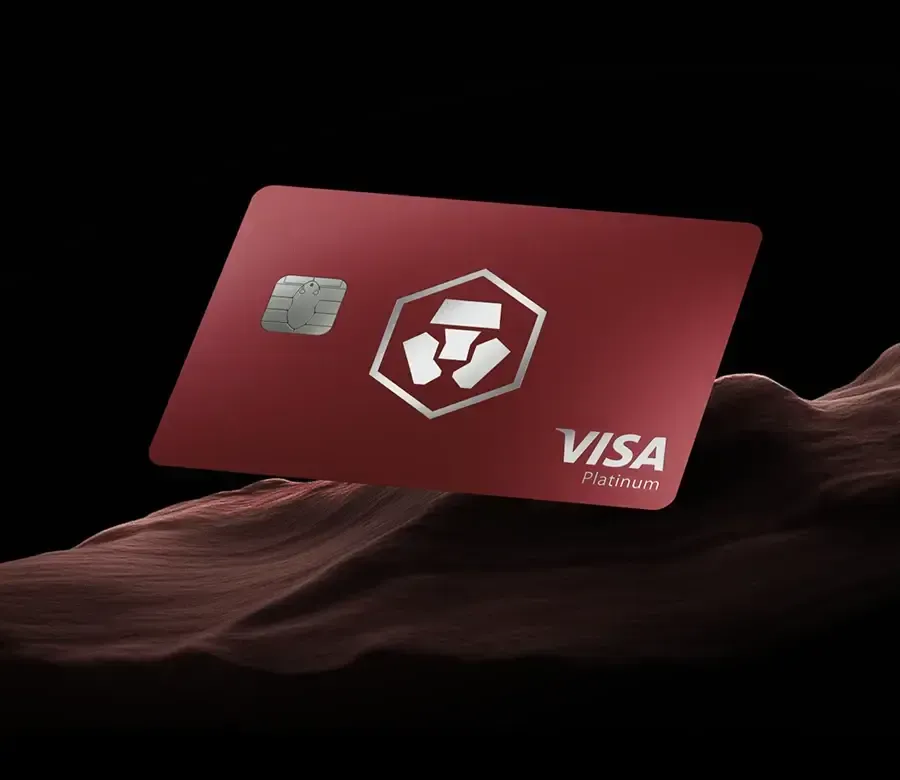
PLUS
2.0%
back in crypto · on every spend
€3.99 / month
or €39.90/year (€3.32/month)
Zero trading fees up to $20K/month
2.0% back in crypto on card spend
0% foreign exchange fees
EUR Cash Yield up to 1.35% p.a.
CRO Yield up to 2.00% p.a.
Virtual Visa card · Flexible cancel
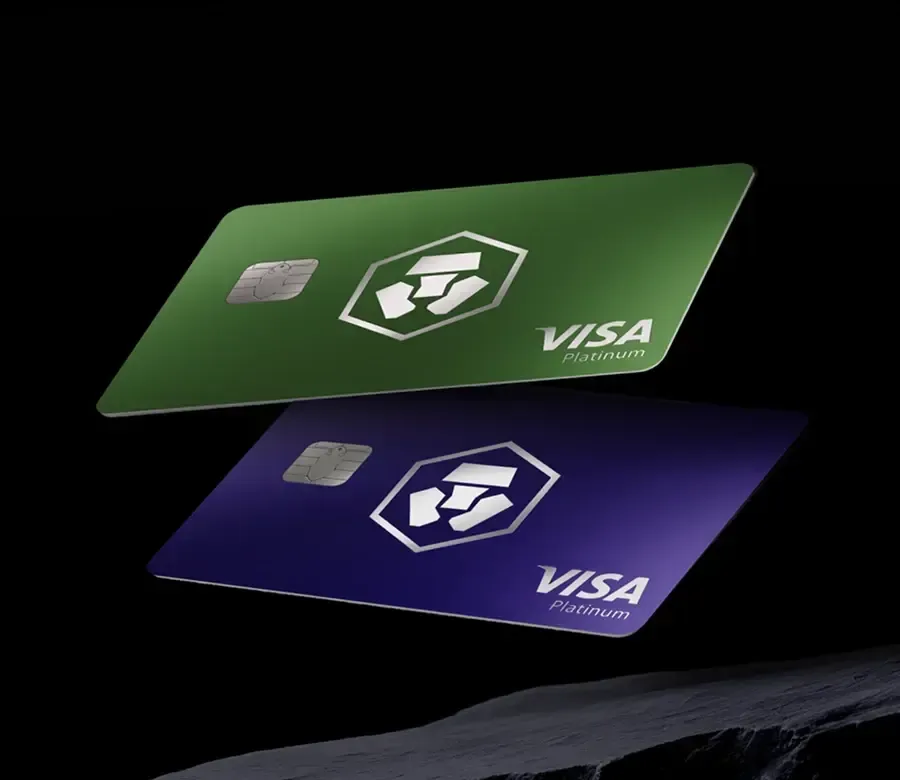
PRO
3.0%
back in crypto · on every spend
€24.99 / month
or €249.90/year (€20.82/month)
Zero trading fees up to $50K/month
3.0% back in crypto on card spend
0% foreign exchange fees
EUR Cash Yield up to 1.70% p.a.
CRO Yield up to 2.50% p.a.
Airport lounge access (Priority Pass)
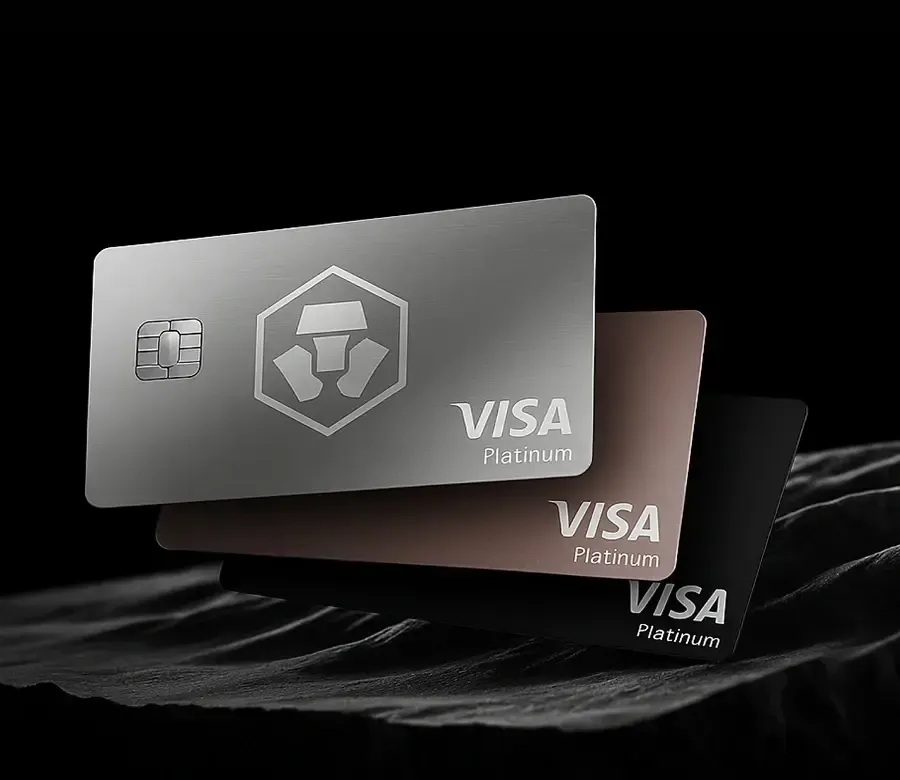
PRIVATE
4–6%
back in crypto · on every spend
CRO Lockup from €45,000
8.5% yield · 12-month staking · €450K tier at 9.5%
Zero trading fees · Unlimited volume
4.0%–6.0% back in crypto
0% foreign exchange fees
EUR Cash Yield up to 1.80% p.a.
Extra 1% p.a. on Earn allocations in CRO
VIP events · Exclusive experiences
8.5% CRO lockup rewards
Also in The Garage
Patek Philippe
You never actually own a Patek Philippe. You merely look after it for the next generation.
Audemars Piguet
The Royal Oak was called ugly at launch. Designed overnight. Now sells for $150,000 on the grey market. The designer was paid once.