
Anheuser-Busch InBev SA/NV vs Diageo
Founding story, key facts and history — side by side.
Anheuser-Busch InBev SA/NV
Three Brazilian private equity guys bought Budweiser's parent company. Then bought SABMiller. Built a beer empire serving 500 million people daily.
| Founded | 2008 |
| Founders | Carlos Brito / InBev acquisition of Anheuser-Busch |
| HQ | Leuven, Belgium |
| Symbol | BUD (NYSE) / ABI.BR (Euronext Brussels) |
VS
Diageo
Arthur Guinness signed a 9,000-year lease in 1759. John Walker started blending Scotch in the 1820s. Their companies merged in 1997. Now the world's most powerful spirits empire.
| Founded | 1997 |
| Founders | Merger of Guinness plc and Grand Metropolitan plc |
| HQ | London, United Kingdom |
| Symbol | DGE.L (LSE) / DEO (NYSE) |
The Story — Side by Side
1852
Anheuser-Busch, Budweiser, and the immigrant dream
The Anheuser-Busch side of AB InBev traces to German immigrant Eberhard Anheuser, who acquired a struggling St. Louis brewery in 1852. His son-in-law Adolphus Busch joined as a partner in 1864 and transformed it into the world's first national beer brand. Busch pioneered pasteurisation for beer, refrigerated railcars for distribution, and aggressive national advertising — making Budweiser a household name across America. The Busch family maintained control of Anheuser-Busch for over 150 years, through Prohibition (they pivoted to yeast, malt syrup, and soft drinks), through wars, and through the rise of light beer with Bud Light.
2004
The Brazilians arrive — Interbrew meets AmBev
The foundation of today's AB InBev was the 2004 merger of Belgium's Interbrew (Stella Artois, Corona distribution) and Brazil's AmBev (Brahma, Antarctica, Guaraná), creating InBev — then the world's largest brewer by volume. The driving force was Jorge Paulo Lemann's Brazilian private equity firm 3G Capital, which had built AmBev through relentless operational efficiency: zero-based budgeting, talent meritocracy, and a culture of frugality at corporate level that never appeared in the brands themselves.
2008
The Budweiser takeover — $52 billion for American heritage
In 2008, InBev launched a hostile $52 billion bid for Anheuser-Busch — buying the maker of Budweiser, Bud Light, and Michelob. The American institution resisted briefly but accepted. The deal was the largest all-cash acquisition in history at the time, creating Anheuser-Busch InBev (AB InBev). Carlos Brito, the Brazilian CEO who had built AmBev and InBev, applied the same operational methodology to the combined entity: aggressive cost cutting, zero-based budgeting, and using the cash flow from incumbent brands to fund further acquisitions and debt repayment.
2016
SABMiller — the $103 billion deal that made AB InBev a global monopoly
AB InBev acquired SABMiller — the second-largest brewer in the world, with dominant positions in Africa, Latin America, and Asia — in 2016 for approximately $103 billion, the fourth-largest corporate acquisition in history. Antitrust regulators required divestiture of major brands in various markets, including the sale of Miller Coors brands in the US. The combined entity controlled approximately 30% of global beer volume and served over 500 million consumers daily across 50+ markets. Brands included Budweiser, Bud Light, Corona, Stella Artois, Leffe, Beck's, Hoegaarden, Castello, Quilmes, Brahma, Skol, and dozens of local market leaders.
2024
$59.8 billion in revenue — Corona the world's most valuable beer brand — debt remains
AB InBev reported $59.8 billion in revenue for 2024. Corona had become the world's most valuable beer brand globally, with Budweiser maintaining its iconic American identity and Stella Artois its European premium positioning. The company served consumers across 50 countries through a portfolio of approximately 500 beer brands. The debt incurred through the SABMiller acquisition remained significant, with management focused on reducing leverage while growing revenue through premiumisation — higher-margin craft, premium, and super-premium beers that delivered better unit economics than volume growth alone.
1759
A 9,000-year lease and the walker who strode forward
Diageo's heritage runs centuries deep. Arthur Guinness signed a 9,000-year lease on St. James's Gate Brewery in Dublin in 1759 for an annual rent of £45, betting that his dry Irish stout would find a market in a city that ran on porter and ale. John Walker, a grocer's son in Kilmarnock, Scotland, began blending Scotch whiskies in the 1820s to smooth out the inconsistencies of single malts — creating Johnnie Walker, which would become the world's best-selling blended Scotch. Both brands grew independently for over a century before the corporate consolidations of the 20th century began drawing them together.
1997
The merger that built the spirits empire
Diageo was formed in December 1997 through the all-share merger of Guinness plc and Grand Metropolitan plc — one of the largest UK corporate mergers of the decade. Guinness brought Johnnie Walker, Guinness stout, and a portfolio of Scotch whiskies including Lagavulin, Talisker, and Cragganmore. Grand Metropolitan brought Smirnoff vodka, Bailey's Irish Cream, and the Pillsbury food business. The name Diageo was derived from the Latin "dia" (every day) and the Greek "geo" (world) — "across the world, every day." The food businesses (Pillsbury, Burger King, which Grand Met had briefly owned) were eventually divested, leaving Diageo as a pure-play spirits and beer company.
2001
Building the portfolio — Don Julio, Cîroc, Casamigos
Diageo systematically built the world's broadest premium spirits portfolio through acquisitions and partnerships. The Seagram spirits portfolio — acquired in 2001 — added Captain Morgan rum and additional whisky brands. Don Julio tequila gave Diageo a premium Mexican agave presence as the tequila category accelerated. In 2013, Cîroc vodka — marketed in partnership with Sean Combs (Diddy) — became a case study in celebrity-driven brand building in urban markets. The company's acquisition strategy consistently targeted brands with authentic heritage that were under-distributed globally, then deployed Diageo's 180-country distribution network to build them internationally.
2017
Casamigos — $1 billion for a tequila George Clooney made for himself
Casamigos was created in 2013 by George Clooney, Rande Gerber, and Mike Meldman — not as a business, but as a personal project. Clooney and Gerber owned neighbouring properties in Mexico's Casamigos ("house of friends") and spent years testing tequila recipes with their distillery to make a smoother spirit for their personal use. Their distiller eventually told them they were ordering 1,000 bottles a year and needed a commercial licence. They launched publicly in 2013. Within four years it had become the fastest-growing super-premium tequila in the United States. In 2017, Diageo acquired Casamigos for $700 million upfront with a further $300 million performance earn-out — up to $1 billion total. It reached 3.2 million cases under Diageo's global distribution.
2024
$20.3 billion in revenue — 180 countries — the tequila category challenge
Diageo reported revenue of approximately $20.3 billion (or £16-17 billion) for fiscal year 2024, selling brands in nearly 180 countries. The portfolio included Johnnie Walker, Crown Royal, Buchanan's, J&B (whiskies); Smirnoff, Cîroc, Ketel One (vodkas); Captain Morgan (rum); Baileys (liqueur); Don Julio, Casamigos (tequila); Tanqueray (gin); and Guinness (beer). The company faced headwinds from weak organic sales growth driven by post-COVID spirits normalisation in the United States and Latin America. The tequila boom — which had driven extraordinary growth at Don Julio and Casamigos — showed signs of maturation. Diageo maintained its position as the world's most powerful collection of spirits brands.
Tools & Platforms
For Investors
The market doesn't care about your feelings.
But your broker's fees do.
But your broker's fees do.
Most people have a brokerage account. Fewer understand what it really costs them — in spreads, in fees, in missed instruments. Malta-regulated, direct market access, 600,000+ instruments.
Exante
Malta MFSA · 50 exchanges
Tickmill
Forex from 0.0 pips
Vantage
Multi-asset trading
Polymarket
Prediction markets
For Entrepreneurs
Opening a US company costs $300.
Most people think it's complicated. It isn't.
Most people think it's complicated. It isn't.
Most founders spend weeks on formation, banking and payments. The ones who move fast know which tools to use before they start. A US LLC, a real business account, and a way to pay people — in that order.
Mercury
Business finance · 300K+ founders
Doola
US LLC formation · YC backed
Melio
B2B payments
Xero 95% OFF
Accounting · 6 months
For C-Suite
Your competitor pays $200 less per month for EOR.
You're still on a spreadsheet.
You're still on a spreadsheet.
BVNK hired 20% of its workforce through Deel. The smartest operators aren't managing payroll complexity — they're outsourcing it. EOR in 150+ countries, multi-currency accounts, workforce payments at $200 less per month than competitors.
Deel
EOR · 150+ countries
Payoneer
$399/mo EOR · Save $200
Wise Business
40+ currencies · No hidden fees
Gusto
US payroll & benefits
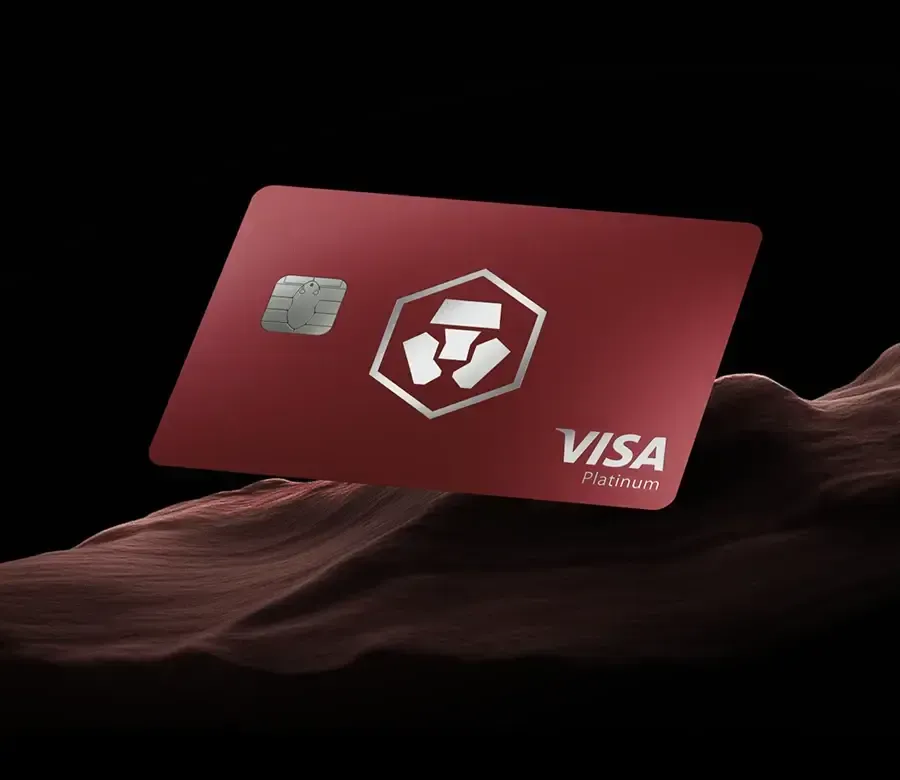
PLUS
2.0%
back in crypto · on every spend
€3.99 / month
or €39.90/year (€3.32/month)
Zero trading fees up to $20K/month
2.0% back in crypto on card spend
0% foreign exchange fees
EUR Cash Yield up to 1.35% p.a.
CRO Yield up to 2.00% p.a.
Virtual Visa card · Flexible cancel
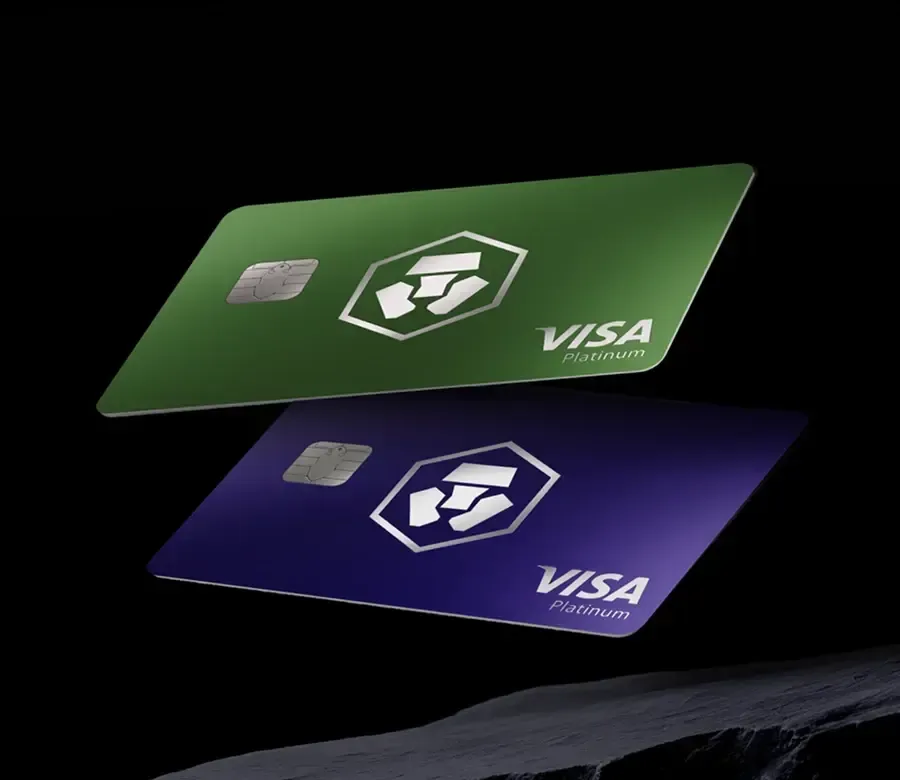
PRO
3.0%
back in crypto · on every spend
€24.99 / month
or €249.90/year (€20.82/month)
Zero trading fees up to $50K/month
3.0% back in crypto on card spend
0% foreign exchange fees
EUR Cash Yield up to 1.70% p.a.
CRO Yield up to 2.50% p.a.
Airport lounge access (Priority Pass)
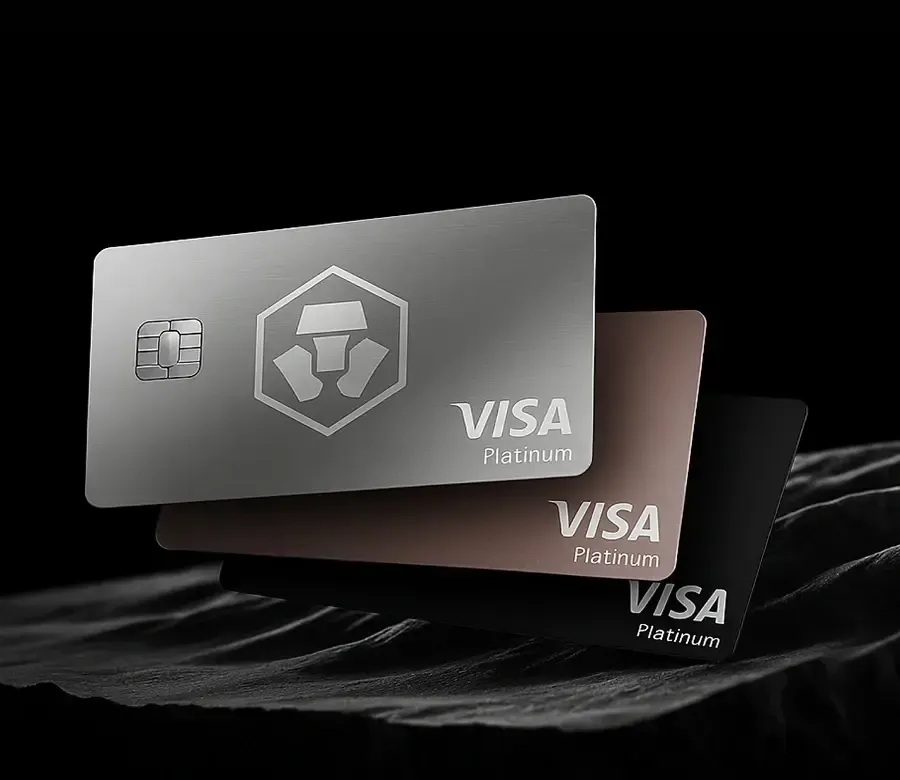
PRIVATE
4–6%
back in crypto · on every spend
CRO Lockup from €45,000
8.5% yield · 12-month staking · €450K tier at 9.5%
Zero trading fees · Unlimited volume
4.0%–6.0% back in crypto
0% foreign exchange fees
EUR Cash Yield up to 1.80% p.a.
Extra 1% p.a. on Earn allocations in CRO
VIP events · Exclusive experiences
8.5% CRO lockup rewards