
AbbVie vs Merck & Co.
Founding story, key facts and history — side by side.
AbbVie
The immunology juggernaut that built a massive, multi-billion-dollar revenue fortress around a single, highly successful arthritis drug.
| Founded | 2013 |
| Founders | Spin-off from Abbott Laboratories |
| HQ | North Chicago, Illinois |
| Symbol | ABBV |
VS
Merck & Co.
The pharmaceutical establishment giant that found its salvation in a single, revolutionary cancer-killing molecule.
| Founded | 1891 |
| Founders | George Merck |
| HQ | Rahway, New Jersey |
| Symbol | MRK |
The Story — Side by Side
2013
The Abbott Laboratories spin-off
AbbVie was created when Abbott Laboratories decided to split its business into two parts: a stable, slower-growing medical products company (Abbott) and a high-growth, innovation-focused pharmaceutical company (AbbVie). AbbVie inherited Abbott’s most valuable asset, Humira, a drug used to treat rheumatoid arthritis and Crohn’s disease. Overnight, AbbVie became one of the most profitable pharmaceutical companies in the world, with a single product responsible for a massive share of its total corporate revenue.
2016
The Humira monopoly and the patent-strategy fortress
AbbVie became famous for its aggressive use of patent law to extend its monopoly over Humira. The company filed hundreds of secondary patents related to manufacturing processes, delivery systems, and new therapeutic indications, effectively keeping generic competitors out of the market for nearly a decade longer than originally expected. This legal "fortress" strategy allowed AbbVie to generate staggering, industry-leading margins, funding the development of its broader pipeline.
2020
The Allergan acquisition and the diversification gamble
Knowing that the eventual loss of Humira’s patent protection was inevitable, AbbVie needed to acquire a massive, ready-to-sell product portfolio. It spent $63 billion to acquire Allergan, the maker of Botox. The massive acquisition was a high-stakes, debt-heavy bet that Botox and Allergan’s other high-margin beauty and eye-care products could offset the eventual, painful revenue cliff that Humira would face once generics arrived.
2023
The Humira patent cliff and the revenue transition
The long-feared moment finally arrived: the patent on Humira expired, and cheap biosimilar competition flooded the market. AbbVie’s revenue dropped, but the company proved resilient. Because of the aggressive diversification strategies put in place after the Allergan acquisition, the firm was able to weather the storm. It focused on its newer, specialized immunology drugs, Skyrizi and Rinvoq, which were engineered to become the new "stars" of the company’s product catalog.
2026
The diversified immunology and aesthetics leader
By mid-2026, AbbVie has successfully survived the loss of its Humira monopoly. By effectively migrating its high-value patient base to its new immunology drugs and leveraging the high-margin stability of its Botox and aesthetics business, the company has stabilized its financial trajectory. AbbVie stands today as a diversified, high-profit leader in both therapeutic immunology and elective medical aesthetics.
1891
The US subsidiary beginnings
Originally a subsidiary of the German Merck KGaA, the American company became a fully independent entity following World War I. For the next century, it built a vast, diversified portfolio of pharmaceuticals and animal health products. It became a quintessentially stable, "blue-chip" American corporation known for its deep research bench and massive distribution reach, but as it grew older, it struggled to maintain the high-growth innovation rates that Wall Street demanded.
2014
The Keytruda gamble and the immunotherapy revolution
Merck took a massive, multi-billion-dollar risk on a new class of cancer therapies called immune checkpoint inhibitors. The company’s drug, Keytruda, was designed to "take the brakes off" the immune system, allowing it to recognize and destroy cancer cells. When clinical trials proved its effectiveness across a wide range of cancers, Keytruda became a blockbuster. It transformed from a single research project into the most important, high-revenue oncology asset on the planet.
2022
The Keytruda dependency and the search for the next engine
As Keytruda generated record-breaking annual revenues, Merck faced a new, looming existential crisis: the drug was eventually going to lose patent protection, creating a massive "revenue hole." The company spent heavily, using its Keytruda profits to buy up smaller biotech companies and research teams. The goal was to build a diversified pipeline that could eventually replace the colossal revenue stream of its single, flagship cancer-killing molecule.
2024
The strategic expansion into heart and respiratory diseases
To diversify its risks, Merck initiated an aggressive expansion into cardiovascular and respiratory therapeutics. By acquiring companies with deep experience in specialized, high-margin disease treatments, Merck worked to prove it wasn't just an "oncology company." The strategy was to leverage its massive, global sales force to push new cardiovascular drugs into the same hospitals where they were already successfully selling Keytruda.
2026
The diversified oncology and chronic disease powerhouse
By mid-2026, Merck remains a titan of the global pharmaceutical industry. Under its current leadership, the company has successfully begun to transition away from its extreme dependency on Keytruda. By building a balanced, wide-reaching portfolio of high-value oncology and chronic disease treatments, Merck has successfully stabilized its long-term financial future as a pillar of global healthcare.
Tools & Platforms
For Investors
The market doesn't care about your feelings.
But your broker's fees do.
But your broker's fees do.
Most people have a brokerage account. Fewer understand what it really costs them — in spreads, in fees, in missed instruments. Malta-regulated, direct market access, 600,000+ instruments.
Exante
Malta MFSA · 50 exchanges
Tickmill
Forex from 0.0 pips
Vantage
Multi-asset trading
Polymarket
Prediction markets
For Entrepreneurs
Opening a US company costs $300.
Most people think it's complicated. It isn't.
Most people think it's complicated. It isn't.
Most founders spend weeks on formation, banking and payments. The ones who move fast know which tools to use before they start. A US LLC, a real business account, and a way to pay people — in that order.
Mercury
Business finance · 300K+ founders
Doola
US LLC formation · YC backed
Melio
B2B payments
Xero 95% OFF
Accounting · 6 months
For C-Suite
Your competitor pays $200 less per month for EOR.
You're still on a spreadsheet.
You're still on a spreadsheet.
BVNK hired 20% of its workforce through Deel. The smartest operators aren't managing payroll complexity — they're outsourcing it. EOR in 150+ countries, multi-currency accounts, workforce payments at $200 less per month than competitors.
Deel
EOR · 150+ countries
Payoneer
$399/mo EOR · Save $200
Wise Business
40+ currencies · No hidden fees
Gusto
US payroll & benefits
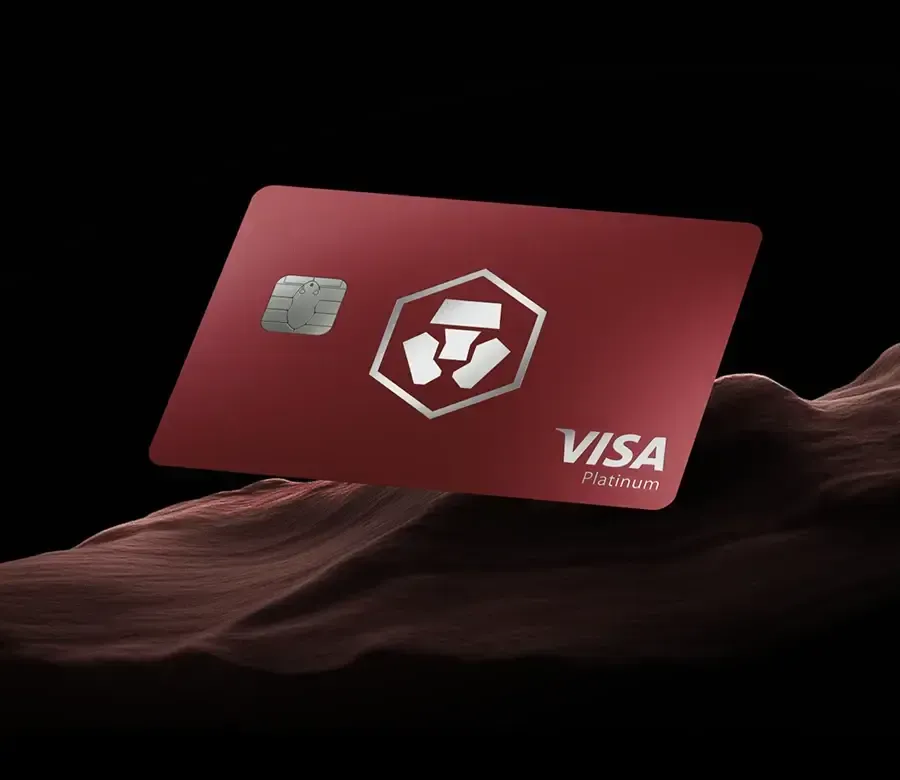
PLUS
2.0%
back in crypto · on every spend
€3.99 / month
or €39.90/year (€3.32/month)
Zero trading fees up to $20K/month
2.0% back in crypto on card spend
0% foreign exchange fees
EUR Cash Yield up to 1.35% p.a.
CRO Yield up to 2.00% p.a.
Virtual Visa card · Flexible cancel

PRO
3.0%
back in crypto · on every spend
€24.99 / month
or €249.90/year (€20.82/month)
Zero trading fees up to $50K/month
3.0% back in crypto on card spend
0% foreign exchange fees
EUR Cash Yield up to 1.70% p.a.
CRO Yield up to 2.50% p.a.
Airport lounge access (Priority Pass)
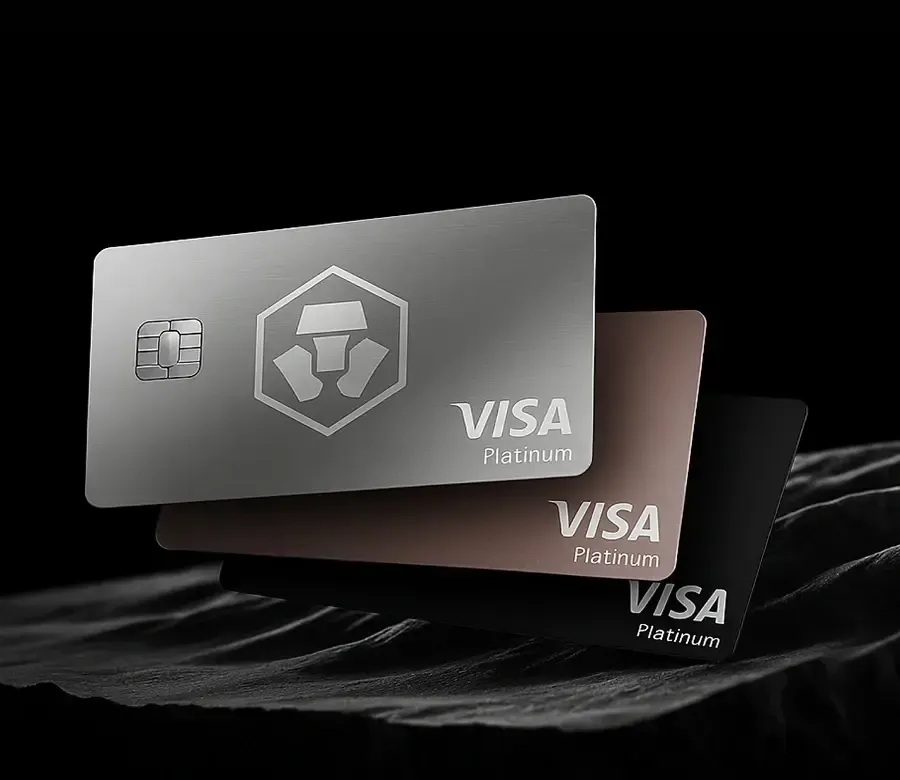
PRIVATE
4–6%
back in crypto · on every spend
CRO Lockup from €45,000
8.5% yield · 12-month staking · €450K tier at 9.5%
Zero trading fees · Unlimited volume
4.0%–6.0% back in crypto
0% foreign exchange fees
EUR Cash Yield up to 1.80% p.a.
Extra 1% p.a. on Earn allocations in CRO
VIP events · Exclusive experiences
8.5% CRO lockup rewards